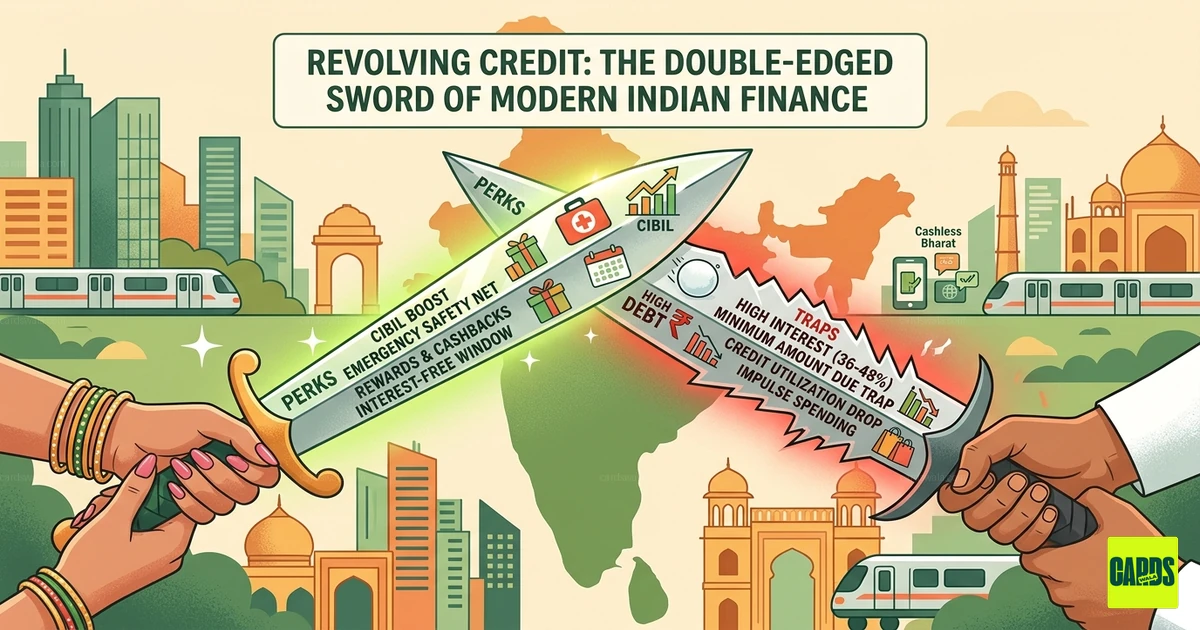
💳 Revolving Credit: The Double-Edged Sword of Modern Indian Finance
If you’ve ever swiped a credit card at a Reliance Digital store or opted for a "Buy Now, Pay Later" (BNPL) plan on Zomato, you’ve engaged with revolving credit. In India’s fast-paced digital economy, credit is no longer a "debt trap" to be feared, but a tool to be mastered.
However, revolving credit is a classic double-edged sword. Use it well, and you’re a financial wizard; use it poorly, and you’re in a debt spiral. Let’s look at how to balance the blade. ⚔️
🔍 What is Revolving Credit? (The Simple Definition)
Unlike a home loan or a car loan (where you get a lump sum and pay it back in fixed EMIs), revolving credit is a flexible line of money.
- The Limit: Your bank gives you a maximum spending cap (e.g., ₹1,00,000).
- The Cycle: You spend ₹20,000 → your available limit becomes ₹80,000. 📉
- The "Revolve": You pay back that ₹20,000 → your limit "revolves" back to ₹1,00,000. 🔄
✨ The Sharp Edge: Why Revolving Credit is Your Best Friend
When used with discipline, this financial tool offers perks that cash simply cannot match:
- 🚀 Boost Your CIBIL Score: Regular, small spends followed by timely repayments are the fastest way to build a high credit score, making future home loans much cheaper.
- 🏥 Emergency Safety Net: It acts as an instant fund for medical emergencies or urgent repairs when your savings are tied up in SIPs or FDs.
- 🎁 Rewards & Cashbacks: From Flipkart Axis Bank 5% cashbacks to Tata Neu coins, revolving credit literally pays you to shop.
- ⏳ The Interest-Free Window: Most Indian cards offer a 45 to 50-day interest-free period. It’s essentially a free short-term loan!
⚠️ The Blunt Edge: Why it’s a Dangerous "Debt Trap"
The convenience of revolving credit has a dark side that can catch even the smartest spenders off guard:
- 💸 High Interest Rates (APR): If you don't pay the full bill, interest rates in India can soar between 36% and 48% per year. That is significantly higher than any personal loan.
- 🕳️ The "Minimum Amount Due" Trap: Banks only ask for ~5% of your bill. This is a psychological trick! Paying only the minimum stops late fees but allows the massive interest to snowball on the remaining 95%.
- 📉 Credit Utilization Ratio (CUR): If you have a ₹1 Lakh limit and you consistently spend ₹90,000, your CIBIL score will drop. Banks see this as "credit hungry" behavior.
- 🛍️ Impulse Spending: The lack of "physical pain" when swiping a card makes it easier to buy things you don't need with money you haven't earned yet.
🛠️ Pro-Tips: How to Master the Sword
To ensure your credit card works for you and not the bank, follow these golden rules:
| Feature | The Smart Move ✅ | The Risky Move ❌ |
|---|---|---|
| Payment | Pay the Total Amount Due every month. | Paying only the Minimum Amount Due. |
| Utilization | Keep usage below 30% of your limit. | Maxing out your credit limit every month. |
| ATM Withdrawal | Never withdraw cash using a credit card. | Using a credit card at an ATM (Interest starts instantly). |
| Tracking | Use apps like CRED or set up Bank Auto-pay. | Waiting for the SMS reminder on the last day. |
🏁 Final Verdict
In India, where we are moving toward a "Cashless Bharat," revolving credit is a vital part of your financial toolkit. It provides the liquidity and rewards necessary for a modern lifestyle. However, it requires monastic discipline.
Respect the sword, and it will help you clear the path to your financial goals. Treat it like a toy, and it might just cut your financial future to pieces.
Are you using your credit card to earn rewards, or are you currently stuck in the interest cycle?
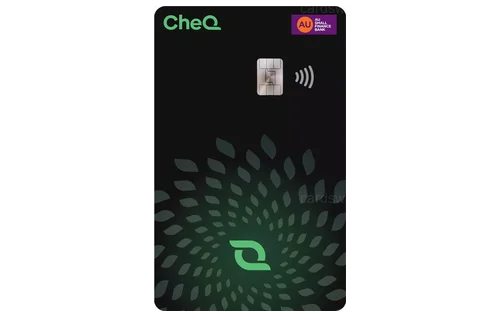
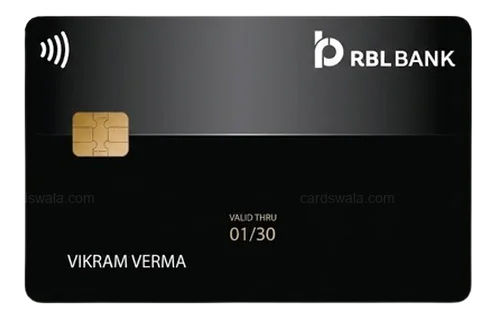
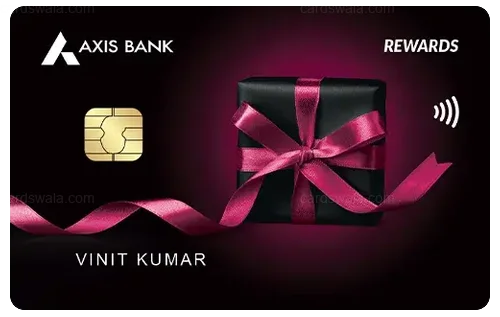
Check Out These Cards
CardsWala Crew
Credit Card Expert & Financial Writer