Axis Bank ACE Credit Card VS Cashback SBI Credit Card
Both Axis Bank ACE Credit Card and Cashback SBI Credit Card suit shopping-focused spenders, but they earn and cost differently. Axis Bank ACE Credit Card costs ₹499 + GST and earns up to 5% cashback on utilities via GPay, 4% on Swiggy/Zomato/Ola, and 1.5% on other spends. Cashback SBI Credit Card costs ₹999 + GST and earns 5% cashback on online spends (capped at Rs. 2,000 per statement cycle) and 1% cashback on offline spends (capped at Rs. 2,000 per statement cycle); max combined Rs. 4,000 per statement cycle. Axis Bank ACE Credit Card also brings 4 complimentary lounge visits per calendar year at select domestic airports. If shopping spending matters more, go with Axis Bank ACE Credit Card; if utilities is the priority, Cashback SBI Credit Card fits better.
Fees & Charges
Rewards & Benefits
Travel & Lifestyle
Security & Other
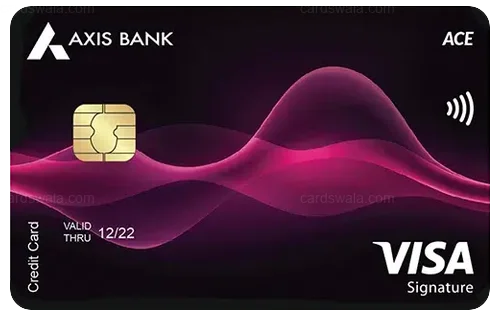
Axis Bank ACE Credit Card
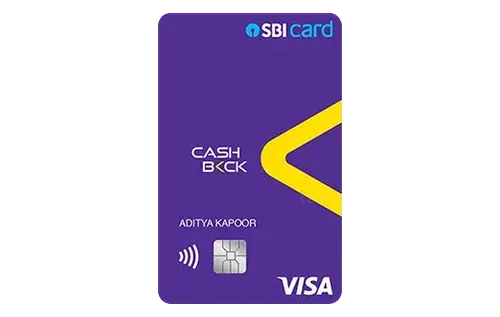
Cashback SBI Credit Card
Who is it for?
Who is it for?
Pros
Key benefits and features.
High cashback rates: 5% on Google Pay bills/recharges and 4% on Swiggy, Zomato, Ola.
Includes 4 complimentary domestic airport lounge accesses, rare for entry-level cards.
No maximum capping on the regular 1.5% cashback earned on all other spends.
Annual fee of ₹499 is easily waived off on an annual expenditure of ₹2,00,000.
Pros
Key benefits and features.
Decent 5% cashback on online spends and 1% on offline spends for solid everyday savings.
High monthly cashback cap of Rs. 4,000 across categories boosts total earnings potential.
Strong option for online spending compared to other cashback cards with simple auto-credit.
Contactless payment facility available for quick and secure low-value transactions.
Global acceptance in over 24 million outlets ensures usability during travel and shopping.
Cons
Key drawbacks and limitations.
No cashback on specific categories like fuel, wallet reloads, EMIs, gold items, and cash advances.
The accelerated 5% cashback on Google Pay is exclusively valid on the Android application.
Cashback earned at non-partner merchants (excluding key platforms) is a standard 1.5%.
Cons
Key drawbacks and limitations.
Several categories are excluded from cashback eligibility, limiting earnings on key spends.
Annual fee is relatively high compared to the benefits for low spenders who cannot meet the waiver.
Spend-based waiver may be difficult to achieve if major spends fall in excluded categories.
No instant discounts during online sales, reducing appeal during promotional shopping periods.
Cashback exclusions on utilities, insurance, fuel, rent, and other services restrict utility.