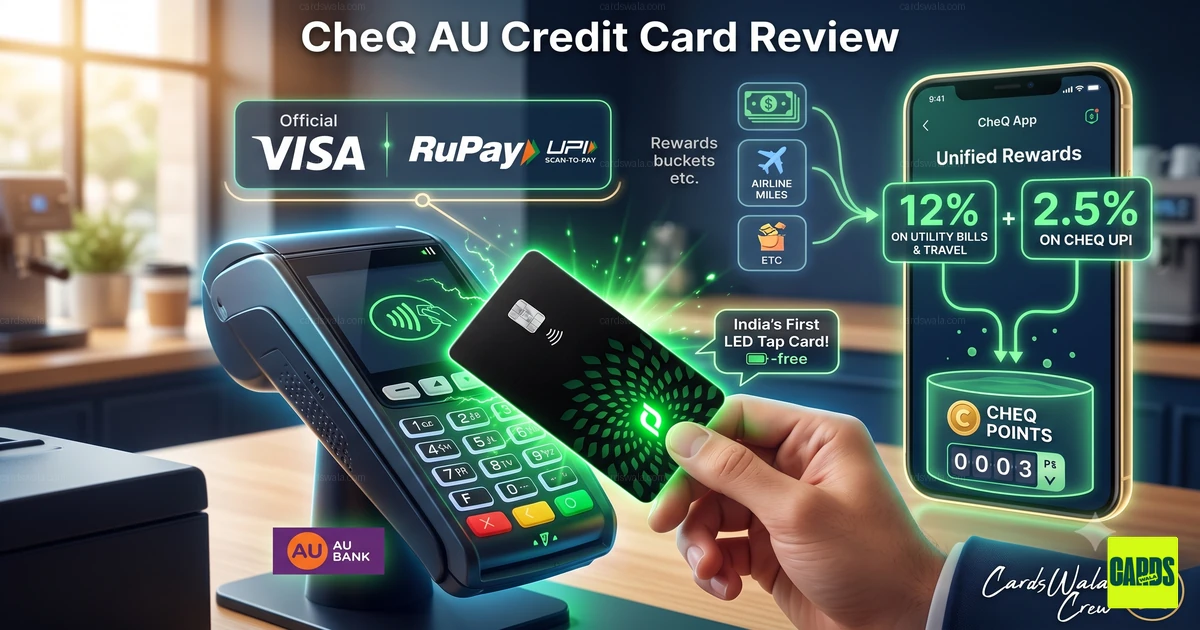
🚀 MDR on UPI Explained: Why Free UPI Payments Are Finally Changing
Scan, enter PIN, done. For years, UPI felt like pure digital magic—instant, frictionless, and miraculously free.
But if you have ever had a payment hang indefinitely at a crowded checkout counter or watched your banking app choke on the first day of the month, you already know the unvarnished truth: running a digital superhighway carrying billions of transactions every single month costs serious money.
The debate surrounding the Merchant Discount Rate (MDR) on UPI has officially transitioned from policy circles into reality.
If you are wondering whether you will be charged for sending money to friends or buying your morning chai, here is a practical, no-nonsense breakdown of what is actually happening.
💳 What Exactly is MDR?
Merchant Discount Rate (MDR) is simply the processing fee a merchant pays to the financial institutions that power a digital payment.
Whenever you scan a QR code at a storefront, a high-speed relay race happens behind the scenes in under three seconds:
- 🏦 Your Bank (Issuer): Verifies your balance and debits the money.
- 🏪 The Merchant’s Bank (Acquirer): Accepts and routes the credit to the store’s account.
- 🌐 NPCI (Network Switch): Routes the encrypted packet between both banks.
- 📲 The Payment App (PSP): (PhonePe, Google Pay, Paytm, CRED) Provides the user interface, real-time status checks, fraud detection, and customer support.
MDR compensates these players for maintaining 99.99% server uptime, high-grade cybersecurity, and operational infrastructure.
Back in January 2020, the government introduced a zero-MDR mandate on UPI and RuPay debit cards. It worked like a charm to drive massive digital adoption across every corner of India, but it also forced payment companies and banks to burn capital on infrastructure costs without a sustainable revenue engine.
📊 The UPI MDR Rate Card at a Glance
The updated framework targets high-ticket commercial transactions without penalizing everyday street vendors or peer-to-peer transfers.
| Transaction Category | MDR Rate | Who Absorbs the Cost? |
|---|---|---|
| 👤 P2P Transfers (Splitting dinner, sending rent) | 0% (Free) | Nobody |
| ☕ Micro-Merchants (P2PM) (Monthly volume ≤ ₹1 Lakh) | 0% (Free) | Nobody |
| 🛒 Small Purchases (Any retail transaction ≤ ₹2,000) | 0% (Free) | Nobody |
| 🏬 High-Value Retail (P2M) (Transactions > ₹2,000) | 0.4% (Capped at ₹300) | The Merchant |
| ⛽ Utilities, Fuel & Telecom | Flat ₹5 per transaction | The Merchant / Provider |
| 📈 Capital Markets (Mutual funds, broker wallet top-ups) | 0.02% (Capped at ₹300) | The Brokerage / AMC |
| 🔄 AutoPay Mandates (OTT subscriptions, recurring bills) | 0% (Free) | Nobody |
📱 Will You Be Charged as a Consumer?
The short answer: Absolutely not.
NPCI and regulatory guidelines strictly forbid payment gateways, apps, and merchants from levying a ""convenience fee"" or passing MDR onto consumers.
- 💸 Sending money to friends or family: Remains completely free.
- 🛒 Over 90% of daily transactions: Most everyday retail runs—from buying groceries at the neighborhood kirana to grabbing coffee—fall well below the ₹2,000 ceiling, keeping them at zero MDR.
- 👟 Purchases above ₹2,000: When you buy a pair of shoes or clear a weekend restaurant bill over ₹2,000, the merchant absorbs the 0.4% processing fee as an operating expense, identical to how they handle debit or credit card swipes.
⚖️ The Big Picture: Who Gains and Who Adjusts?
🟢 The Winners
- 🛠️ Fintechs & Payment Service Providers: Without a steady revenue model, payment apps were forced to lean heavily on aggressive cross-selling, insurance pushes, or ad banners. A predictable fee pool lets them reinvest directly into rock-solid APIs and faster customer support.
- 🏦 Retail Banks: Core banking architectures handle staggering volumes of high-concurrency micro-transactions every second. Revenue from MDR enables banks to upgrade core banking software, directly minimizing those frustrating ""bank server unavailable"" errors.
🟡 The Adjustments
- 🏬 Large Retailers & Electronics Chains: Supermarkets and consumer durable stores with average ticket sizes well above ₹2,000 will see a 0.4% fee on UPI volume. Even so, it remains significantly cheaper than credit card MDR, which typically sits between 1.5% and 2.5%.
- 🧾 Borderline Vendors: Merchants close to the ₹1 lakh monthly turnover threshold may monitor their volume, but the tiered structure ensures micro-entrepreneurs remain fully protected.
🎯 The Bottom Line
Bringing back a balanced, capped MDR on high-value transactions ends the era of artificial subsidization. It shields everyday users and street vendors while giving India's digital payment rails the financial bedrock they need to stay fast, resilient, and reliable.
Check Out These Cards
CardsWala Crew
Credit Card Expert & Financial Writer