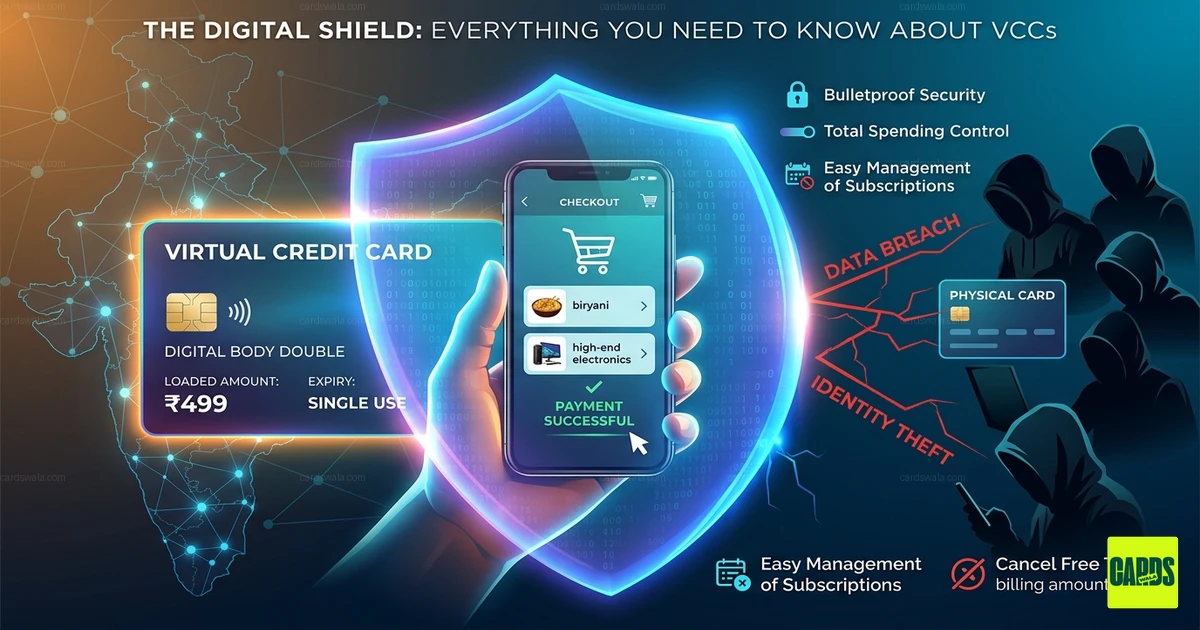
🛡️ டிஜிட்டல் கவசம்: விர்ச்சுவல் கிரெடிட் கார்டுகள் (VCCகள்) பற்றி நீங்கள் தெரிந்து கொள்ள வேண்டிய அனைத்தும்
பிரியாணி முதல் உயர்தர எலக்ட்ரானிக்ஸ் வரை எல்லாவற்றையும் ஆன்லைனில் ஆர்டர் செய்யும் காலத்தில், டிஜிட்டல் பாதுகாப்பு இனி ஆடம்பரம் அல்ல — அது அவசியம். புதிய வெப்சைட்டில் கார்டு விவரங்களை உள்ளிடுவதற்கு முன் நீங்கள் எப்போதாவது தயங்கியிருந்தால், நீங்கள் தனியாக இல்லை.
விர்ச்சுவல் கிரெடிட் கார்டு (VCC) அறிமுகமாகிறது. இதை உங்கள் உண்மையான கிரெடிட் கார்டின் "டிஜிட்டல் பாடி டபுள்" என்று நினையுங்கள். இது உங்கள் உண்மையான வங்கி விவரங்களைப் பாதுகாப்பாக வைத்திருக்கும் அதே நேரத்தில் நீங்கள் சுதந்திரமாக ஷாப்பிங் செய்ய அனுமதிக்கிறது.
💳 விர்ச்சுவல் கிரெடிட் கார்டு என்றால் என்ன?
விர்ச்சுவல் கிரெடிட் கார்டு என்பது உங்கள் பிசிகல் கிரெடிட் அல்லது டெபிட் கார்டின் டிஜிட்டல்-மட்டும் பதிப்பு. இது உங்கள் வாலட்டில் வைத்திருக்கும் பிளாஸ்டிக் துண்டு அல்ல; மாறாக, உங்கள் வங்கியின் செயலி அல்லது மூன்றாம் தரப்பு வழங்குநர் மூலம் உருவாக்கப்படும் எண்களின் தொகுப்பு.
முக்கிய அம்சங்கள்:
- தனித்துவமான விவரங்கள்: இது தனது சொந்த 16-இலக்க கார்டு எண், காலாவதி தேதி மற்றும் CVV-யைக் கொண்டுள்ளது.
- இணைக்கப்பட்டது, பூட்டப்படவில்லை: இது உங்கள் உண்மையான வங்கிக் கணக்குடன் இணைக்கப்பட்டுள்ளது, ஆனால் மெர்ச்சண்ட் உங்கள் அசல் கார்டு தகவலை ஒருபோதும் பார்க்க மாட்டார்.
- டிஸ்போசபிள்/தற்காலிகமானது: பல VCC-களை ஒரு முறை பயன்பாட்டிற்குப் பிறகு அல்லது குறிப்பிட்ட காலக்கெடுவிற்குப் பிறகு காலாவதியாகுமாறு அமைக்கலாம்.
🚀 இந்தியாவில் விர்ச்சுவல் கிரெடிட் கார்டைப் பயன்படுத்துவதன் நன்மைகள்
VCC-யைப் பயன்படுத்துவது பைக் ஓட்டும்போது ஹெல்மெட் அணிவது போன்றது — இது ரிஸ்க் மேனேஜ்மென்ட் பற்றியது. நீங்கள் ஏன் மாற வேண்டும் என்பது இங்கே:
1. 🔒 புல்லட் ப்ரூஃப் பாதுகாப்பு
நீங்கள் ஷாப் செய்த வெப்சைட் ஹேக் செய்யப்பட்டால், ஹேக்கர்களுக்கு உங்கள் விர்ச்சுவல் கார்டு தகவல் மட்டுமே கிடைக்கும். உங்கள் பிசிகல் கார்டைப் பாதிக்காமல் விர்ச்சுவல் கார்டை உடனடியாக "டெலீட்" அல்லது "கேன்சல்" செய்ய முடியும் என்பதால், உங்கள் முக்கிய கணக்கு பாதிக்கப்படாமல் இருக்கும்.
2. 💰 மொத்த செலவுக் கட்டுப்பாடு
VCC-யில் அதிகபட்ச லிமிட் அமைக்கலாம். ₹499-க்கு சந்தா வாங்குகிறீர்கள் என்றால், கார்டு லிமிட்டை சரியாக ₹500 என அமைக்கலாம். இது சந்தேகத்திற்கிடமான தளங்கள் அதிகமாக சார்ஜ் செய்வதையோ அல்லது மறைக்கப்பட்ட கட்டணங்களை நுழைப்பதையோ தடுக்கிறது.
3. 🌍 சர்வதேச தளங்களில் மன அமைதி
AliExpress அல்லது niche US-அடிப்படையிலான கடைகள் போன்ற உலகளாவிய தளங்களில் ஷாப்பிங் செய்வது பதட்டமாக இருக்கலாம். VCC உங்கள் முதன்மை இந்திய வங்கிக் கணக்கு வெளிநாட்டு பேமெண்ட் கேட்வேக்களுக்கு வெளிப்படாமல் இருப்பதை உறுதி செய்கிறது.
4. 🛑 சந்தாக்களை எளிதாக நிர்வகித்தல்
30 நாட்களுக்குப் பிறகு தானாக சார்ஜ் செய்யும் "Free Trials" அலுத்துவிட்டதா? ₹1 லிமிட் கொண்ட VCC-யைப் பயன்படுத்தவும். நிறுவனம் முழுத் தொகைக்கு பில் செய்ய முயற்சிக்கும்போது, பரிவர்த்தனை வெறுமனே தோல்வியடையும்.
📅 VCC-யை எப்போது பயன்படுத்துவது சிறந்தது?
| சூழ்நிலை | VCC பயன்படுத்தவா? | ஏன்? |
|---|---|---|
| புதிய/தெரியாத வெப்சைட்கள் | ✅ ஆம் | நிரூபிக்கப்பட்ட நற்பெயர் இல்லாத தளங்களில் டேட்டா திருட்டைத் தவிர்க்கிறது. |
| Free Trials | ✅ ஆம் | விரும்பத்தகாத "auto-renewals" உங்கள் பேலன்ஸை காலியாக்குவதைத் தடுக்கிறது. |
| பப்ளிக் Wi-Fi ஷாப்பிங் | ✅ ஆம் | நெட்வொர்க் பாதுகாப்பற்றதாக இருந்தால் கூடுதல் என்க்ரிப்ஷன் அடுக்கைச் சேர்க்கிறது. |
| விமானங்கள்/ஹோட்டல்கள் புக்கிங் | ⚠️ இல்லை | கவனம்: சில ஹோட்டல்கள்/ஏர்லைன்கள் புக்கிங்கிற்குப் பயன்படுத்திய பிசிகல் கார்டைக் காட்டச் சொல்லும். |
| ஆஃப்லைன் கடைகள் | ❌ இல்லை | VCCகள் ஆன்லைன் பயன்பாட்டிற்கு மட்டுமே; கிரானா கடையில் ஸ்வைப் செய்ய முடியாது. |
🏦 இந்தியாவில் விர்ச்சுவல் கிரெடிட் கார்டை எப்படிப் பெறுவது?
பெரும்பாலான முக்கிய இந்திய வங்கிகள் தங்கள் நெட் பேங்கிங் அல்லது மொபைல் செயலிகள் மூலம் VCC சேவைகளை வழங்குகின்றன. "NetSafe Card" (HDFC), "Virtual Cards" (SBI/ICICI), அல்லது Kotak 811 மற்றும் Paytm Payments Bank போன்ற டிஜிட்டல்-ஃபர்ஸ்ட் தளங்களைத் தேடவும்.
செயல்முறை எளிது:
- உங்கள் வங்கி செயலியில் லாகின் செய்யவும்.
- 'Virtual Cards' அல்லது 'Cards' என்பதைத் தேர்ந்தெடுக்கவும்.
- நீங்கள் "லோட்" செய்ய விரும்பும் தொகை அல்லது தினசரி லிமிட்டை உள்ளிடவும்.
- கார்டை உருவாக்கி, உங்கள் வாங்குதலுக்கு விவரங்களைப் பயன்படுத்தவும்!
🏁 முடிவுரை
விர்ச்சுவல் கிரெடிட் கார்டுகள் இந்திய டிஜிட்டல் பேமெண்ட் புரட்சியின் பாடப்படாத ஹீரோக்கள். அவை பிசிகல் கார்டுகளால் ஒருபோதும் பொருத்த முடியாத "செட்-இட்-அண்ட்-ஃபர்கெட்-இட்" பாதுகாப்பு அடுக்கை வழங்குகின்றன.
அடுத்த முறை நீங்கள் புதிய OTT தளத்தை முயற்சிக்கும்போது அல்லது ஃபிளாஷ் சேலில் கேட்ஜெட் வாங்கும்போது, VCC உருவாக்க 60 வினாடிகள் எடுத்துக் கொள்ளுங்கள். உங்கள் வங்கி இருப்பு உங்களுக்கு நன்றி சொல்லும்.
நீங்கள் ஏற்கனவே உங்கள் சந்தாக்களுக்கு விர்ச்சுவல் கார்டுகளைப் பயன்படுத்துகிறீர்களா, அல்லது இன்னும் பாரம்பரிய "OTP and pray" முறையில் இருக்கிறீர்களா?
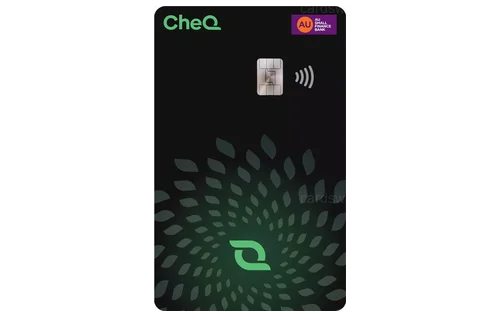
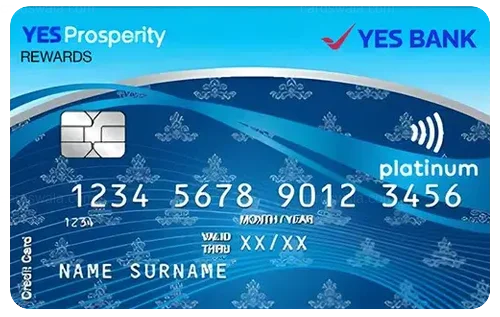
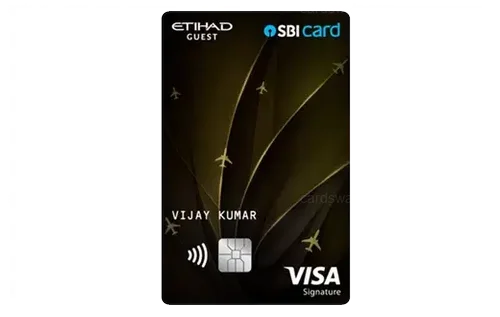
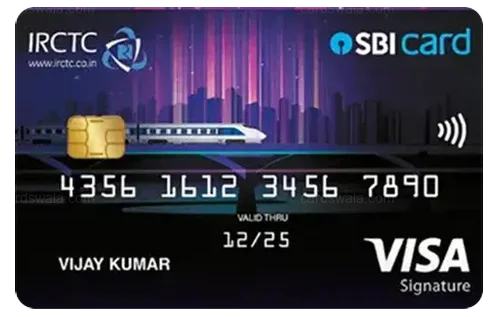
இந்தக் கார்டுகளைப் பாருங்கள்
CardsWala Crew
கிரெடிட் கார்டு நிபுணர் & நிதி எழுத்தாளர்