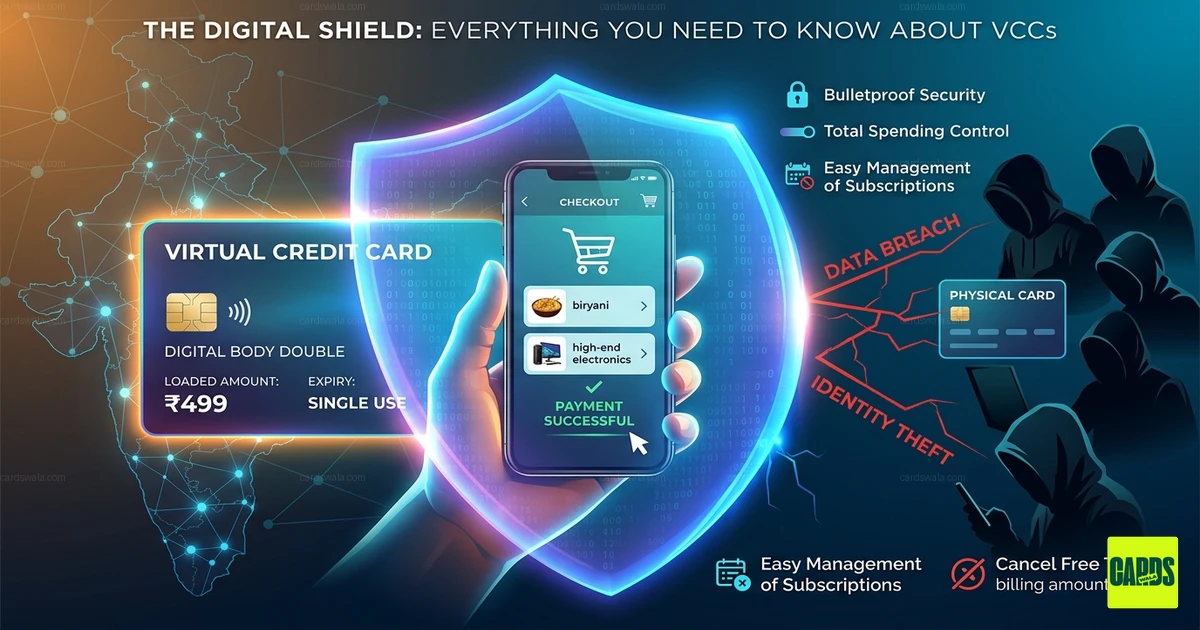
🛡️ ಡಿಜಿಟಲ್ ಶೀಲ್ಡ್: ವರ್ಚುವಲ್ ಕ್ರೆಡಿಟ್ ಕಾರ್ಡ್ಗಳ (VCCಗಳು) ಬಗ್ಗೆ ನೀವು ತಿಳಿದುಕೊಳ್ಳಬೇಕಾದ ಎಲ್ಲವೂ
ನಾವು ಬಿರಿಯಾನಿಯಿಂದ ಹಿಡಿದು ಹೈ-ಎಂಡ್ ಎಲೆಕ್ಟ್ರಾನಿಕ್ಸ್ವರೆಗೆ ಎಲ್ಲವನ್ನೂ ಆನ್ಲೈನ್ನಲ್ಲಿ ಆರ್ಡರ್ ಮಾಡುವ ಯುಗದಲ್ಲಿ, ಡಿಜಿಟಲ್ ಭದ್ರತೆಯು ಇನ್ನು ಐಷಾರಾಮಿಯಲ್ಲ - ಅದು ಅವಶ್ಯಕತೆ. ಹೊಸ ವೆಬ್ಸೈಟ್ನಲ್ಲಿ ನಿಮ್ಮ ಕಾರ್ಡ್ ವಿವರಗಳನ್ನು ನಮೂದಿಸುವ ಮೊದಲು ನೀವು ಎಂದಾದರೂ ಹಿಂಜರಿದಿದ್ದರೆ, ನೀವು ಒಬ್ಬರೇ ಅಲ್ಲ.
ವರ್ಚುವಲ್ ಕ್ರೆಡಿಟ್ ಕಾರ್ಡ್ (VCC) ಅನ್ನು ನಮೂದಿಸಿ. ಅದನ್ನು ನಿಮ್ಮ ನಿಜವಾದ ಕ್ರೆಡಿಟ್ ಕಾರ್ಡ್ಗೆ "ಡಿಜಿಟಲ್ ಬಾಡಿ ಡಬಲ್" ಎಂದು ಯೋಚಿಸಿ. ಇದು ನಿಮ್ಮ ನಿಜವಾದ ಬ್ಯಾಂಕ್ ವಿವರಗಳನ್ನು ಸುರಕ್ಷಿತವಾಗಿರಿಸುತ್ತದೆ ಮತ್ತು ನೀವು ಮುಕ್ತವಾಗಿ ಶಾಪ್ ಮಾಡಲು ಅನುವು ಮಾಡಿಕೊಡುತ್ತದೆ.
💳 ವರ್ಚುವಲ್ ಕ್ರೆಡಿಟ್ ಕಾರ್ಡ್ ನಿಖರವಾಗಿ ಏನು?
ವರ್ಚುವಲ್ ಕ್ರೆಡಿಟ್ ಕಾರ್ಡ್ ಎಂಬುದು ನಿಮ್ಮ ಭೌತಿಕ ಕ್ರೆಡಿಟ್ ಅಥವಾ ಡೆಬಿಟ್ ಕಾರ್ಡ್ನ ಡಿಜಿಟಲ್-ಮಾತ್ರ ಆವೃತ್ತಿಯಾಗಿದೆ. ಇದು ನಿಮ್ಮ ವ್ಯಾಲೆಟ್ನಲ್ಲಿ ನೀವು ಹೊತ್ತೊಯ್ಯುವ ಪ್ಲಾಸ್ಟಿಕ್ ತುಂಡಲ್ಲ; ಬದಲಾಗಿ, ಇದು ನಿಮ್ಮ ಬ್ಯಾಂಕ್ನ ಅಪ್ಲಿಕೇಶನ್ ಅಥವಾ ಮೂರನೇ-ಪಕ್ಷದ ಪೂರೈಕೆದಾರರ ಮೂಲಕ ರಚಿಸಲಾದ ಸಂಖ್ಯೆಗಳ ಗುಂಪಾಗಿದೆ.
ಪ್ರಮುಖ ವೈಶಿಷ್ಟ್ಯಗಳು:
- ವಿಶಿಷ್ಟ ವಿವರಗಳು: ಇದು ತನ್ನದೇ ಆದ 16-ಅಂಕಿಯ ಕಾರ್ಡ್ ಸಂಖ್ಯೆ, ಮುಕ್ತಾಯ ದಿನಾಂಕ ಮತ್ತು CVV ಅನ್ನು ಹೊಂದಿದೆ.
- ಲಿಂಕ್ ಮಾಡಲಾಗಿದೆ, ಲಾಕ್ ಮಾಡಲಾಗಿಲ್ಲ: ಇದು ನಿಮ್ಮ ನಿಜವಾದ ಬ್ಯಾಂಕ್ ಖಾತೆಗೆ ಲಿಂಕ್ ಆಗಿದೆ, ಆದರೆ ಮರ್ಚೆಂಟ್ ನಿಮ್ಮ ಮೂಲ ಕಾರ್ಡ್ ಮಾಹಿತಿಯನ್ನು ಎಂದಿಗೂ ನೋಡುವುದಿಲ್ಲ.
- ಬಿಸಾಡಬಹುದಾದ/ತಾತ್ಕಾಲಿಕ: ಅನೇಕ VCC ಗಳನ್ನು ಒಂದೇ ಬಳಕೆಯ ನಂತರ ಅಥವಾ ನಿರ್ದಿಷ್ಟ ಸಮಯದ ಚೌಕಟ್ಟಿನ ನಂತರ ಅವಧಿ ಮುಗಿಯುವಂತೆ ಹೊಂದಿಸಬಹುದು.
🚀 ಭಾರತದಲ್ಲಿ ವರ್ಚುವಲ್ ಕ್ರೆಡಿಟ್ ಕಾರ್ಡ್ ಬಳಸುವ ಪ್ರಯೋಜನಗಳು
VCC ಬಳಸುವುದು ಬೈಕ್ ಸವಾರಿ ಮಾಡುವಾಗ ಹೆಲ್ಮೆಟ್ ಧರಿಸಿದಂತೆ - ಇದು ಅಪಾಯ ನಿರ್ವಹಣೆಯ ಬಗ್ಗೆ. ನೀವು ಏಕೆ ಬದಲಾಯಿಸಬೇಕು ಎಂಬುದು ಇಲ್ಲಿದೆ:
1. 🔒 ಬುಲೆಟ್ಪ್ರೂಫ್ ಭದ್ರತೆ
ನೀವು ಶಾಪ್ ಮಾಡಿದ ವೆಬ್ಸೈಟ್ ಹ್ಯಾಕ್ ಆದರೆ, ಹ್ಯಾಕರ್ಗಳು ನಿಮ್ಮ ವರ್ಚುವಲ್ ಕಾರ್ಡ್ ಮಾಹಿತಿಯನ್ನು ಮಾತ್ರ ಪಡೆಯುತ್ತಾರೆ. ನಿಮ್ಮ ಭೌತಿಕ ಕಾರ್ಡ್ ಮೇಲೆ ಪರಿಣಾಮ ಬೀರದೆ ನೀವು ವರ್ಚುವಲ್ ಕಾರ್ಡ್ ಅನ್ನು ತಕ್ಷಣ "ಅಳಿಸಬಹುದು" ಅಥವಾ "ರದ್ದುಗೊಳಿಸಬಹುದು" ಎಂದು ನಿಮ್ಮ ಮುಖ್ಯ ಖಾತೆಯು ಮುಟ್ಟದೆ ಉಳಿಯುತ್ತದೆ.
2. 💰 ಒಟ್ಟು ಖರ್ಚು ನಿಯಂತ್ರಣ
ನೀವು VCC ಮೇಲೆ ಗರಿಷ್ಠ ಮಿತಿಯನ್ನು ಹೊಂದಿಸಬಹುದು. ನೀವು ₹499 ಗೆ ಚಂದಾದಾರಿಕೆಯನ್ನು ಖರೀದಿಸುತ್ತಿದ್ದರೆ, ನೀವು ಕಾರ್ಡ್ ಲಿಮಿಟ್ ಅನ್ನು ನಿಖರವಾಗಿ ₹500 ಗೆ ಹೊಂದಿಸಬಹುದು. ಇದು ಅನುಮಾನಾಸ್ಪದ ಸೈಟ್ಗಳು ನಿಮ್ಮಿಂದ ಹೆಚ್ಚು ಶುಲ್ಕ ವಿಧಿಸುವುದನ್ನು ಅಥವಾ ಗುಪ್ತ ಶುಲ್ಕಗಳಲ್ಲಿ ನುಸುಳುವುದನ್ನು ತಡೆಯುತ್ತದೆ.
3. 🌍 ಅಂತರರಾಷ್ಟ್ರೀಯ ಸೈಟ್ಗಳಲ್ಲಿ ಮನಶ್ಶಾಂತಿ
AliExpress ಅಥವಾ niche US-ಆಧಾರಿತ ಅಂಗಡಿಗಳಂತಹ ಜಾಗತಿಕ ಪ್ಲಾಟ್ಫಾರ್ಮ್ಗಳಲ್ಲಿ ಶಾಪಿಂಗ್ ಮಾಡುವುದು ನರಗಳನ್ನು ಕುಗ್ಗಿಸಬಹುದು. VCC ನಿಮ್ಮ ಪ್ರಾಥಮಿಕ ಭಾರತೀಯ ಬ್ಯಾಂಕ್ ಖಾತೆಯು ವಿದೇಶಿ ಪಾವತಿ ಗೇಟ್ವೇಗಳಿಗೆ ಒಡ್ಡಿಕೊಳ್ಳುವುದಿಲ್ಲ ಎಂದು ಖಚಿತಪಡಿಸುತ್ತದೆ.
4. 🛑 ಚಂದಾದಾರಿಕೆಗಳ ಸುಲಭ ನಿರ್ವಹಣೆ
30 ದಿನಗಳ ನಂತರ ಸ್ವಯಂಚಾಲಿತವಾಗಿ ನಿಮ್ಮಿಂದ ಶುಲ್ಕ ವಿಧಿಸುವ "ಉಚಿತ ಪ್ರಯೋಗಗಳಿಂದ" ಬೇಸತ್ತಿದ್ದೀರಾ? ₹1 ಮಿತಿಯೊಂದಿಗೆ VCC ಬಳಸಿ. ಕಂಪನಿಯು ಪೂರ್ಣ ಮೊತ್ತಕ್ಕೆ ನಿಮಗೆ ಬಿಲ್ ಮಾಡಲು ಪ್ರಯತ್ನಿಸಿದಾಗ, ವಹಿವಾಟು ಸರಳವಾಗಿ ವಿಫಲಗೊಳ್ಳುತ್ತದೆ.
📅 VCC ಅನ್ನು ಬಳಸಲು ಉತ್ತಮ ಸಮಯ ಯಾವಾಗ?
| ಸನ್ನಿವೇಶ | VCC ಬಳಸಬೇಕೇ? | ಏಕೆ? |
|---|---|---|
| ಹೊಸ/ಅಪರಿಚಿತ ವೆಬ್ಸೈಟ್ಗಳು | ✅ ಹೌದು | ಸಾಬೀತಾದ ಖ್ಯಾತಿಯಿಲ್ಲದ ಸೈಟ್ಗಳಲ್ಲಿ ಡೇಟಾ ಕಳ್ಳತನವನ್ನು ತಪ್ಪಿಸುತ್ತದೆ. |
| ಉಚಿತ ಪ್ರಯೋಗಗಳು | ✅ ಹೌದು | ಅನಗತ್ಯ "ಆಟೋ-ನವೀಕರಣಗಳು" ನಿಮ್ಮ ಬ್ಯಾಲೆನ್ಸ್ ಅನ್ನು ಖಾಲಿ ಮಾಡುವುದನ್ನು ತಡೆಯುತ್ತದೆ. |
| ಸಾರ್ವಜನಿಕ Wi-Fi ಶಾಪಿಂಗ್ | ✅ ಹೌದು | ನೆಟ್ವರ್ಕ್ ಅಸುರಕ್ಷಿತವಾಗಿದ್ದರೆ ಹೆಚ್ಚುವರಿ ಎನ್ಕ್ರಿಪ್ಶನ್ ಪದರವನ್ನು ಸೇರಿಸುತ್ತದೆ. |
| ವಿಮಾನಗಳು/ಹೋಟೆಲ್ಗಳನ್ನು ಬುಕ್ ಮಾಡುವುದು | ⚠️ ಇಲ್ಲ | ಎಚ್ಚರಿಕೆ: ಕೆಲವು ಹೋಟೆಲ್ಗಳು/ಏರ್ಲೈನ್ಗಳು ಬುಕಿಂಗ್ಗೆ ಬಳಸಿದ ಭೌತಿಕ ಕಾರ್ಡ್ ಅನ್ನು ನೋಡಲು ಕೇಳುತ್ತವೆ. |
| ಆಫ್ಲೈನ್ ಸ್ಟೋರ್ಗಳು | ❌ ಇಲ್ಲ | VCC ಗಳು ಆನ್ಲೈನ್ ಬಳಕೆಗೆ ಮಾತ್ರ; ನೀವು ಅವುಗಳನ್ನು ಕಿರಾಣಾ ಅಂಗಡಿಯಲ್ಲಿ ಸ್ವೈಪ್ ಮಾಡಲು ಸಾಧ್ಯವಿಲ್ಲ. |
🏦 ಭಾರತದಲ್ಲಿ ವರ್ಚುವಲ್ ಕ್ರೆಡಿಟ್ ಕಾರ್ಡ್ ಅನ್ನು ಹೇಗೆ ಪಡೆಯುವುದು?
ಹೆಚ್ಚಿನ ಪ್ರಮುಖ ಭಾರತೀಯ ಬ್ಯಾಂಕ್ಗಳು ತಮ್ಮ ನೆಟ್ ಬ್ಯಾಂಕಿಂಗ್ ಅಥವಾ ಮೊಬೈಲ್ ಅಪ್ಲಿಕೇಶನ್ಗಳ ಮೂಲಕ VCC ಸೇವೆಗಳನ್ನು ನೀಡುತ್ತವೆ. "NetSafe Card" (HDFC), "Virtual Cards" (SBI/ICICI) ಅಥವಾ Kotak 811 ಮತ್ತು Paytm Payments Bank ನಂತಹ ಡಿಜಿಟಲ್-ಫಸ್ಟ್ ಪ್ಲಾಟ್ಫಾರ್ಮ್ಗಳನ್ನು ಹುಡುಕಿ.
ಪ್ರಕ್ರಿಯೆಯು ಸರಳವಾಗಿದೆ:
- ನಿಮ್ಮ ಬ್ಯಾಂಕ್ ಅಪ್ಲಿಕೇಶನ್ಗೆ ಲಾಗಿನ್ ಮಾಡಿ.
- 'Virtual Cards' ಅಥವಾ 'Cards' ಆಯ್ಕೆಮಾಡಿ.
- ನೀವು "ಲೋಡ್" ಮಾಡಲು ಬಯಸುವ ಮೊತ್ತ ಅಥವಾ ದೈನಂದಿನ ಮಿತಿಯನ್ನು ನಮೂದಿಸಿ.
- ಕಾರ್ಡ್ ಅನ್ನು ರಚಿಸಿ ಮತ್ತು ನಿಮ್ಮ ಖರೀದಿಗೆ ವಿವರಗಳನ್ನು ಬಳಸಿ!
🏁 ಬಾಟಮ್ ಲೈನ್
ವರ್ಚುವಲ್ ಕ್ರೆಡಿಟ್ ಕಾರ್ಡ್ಗಳು ಭಾರತೀಯ ಡಿಜಿಟಲ್ ಪಾವತಿ ಕ್ರಾಂತಿಯ ಅನ್ಸಂಗ್ ಹೀರೋಗಳಾಗಿವೆ. ಅವು ಭೌತಿಕ ಕಾರ್ಡ್ಗಳು ಸರಳವಾಗಿ ಹೊಂದಿಸಲು ಸಾಧ್ಯವಾಗದ "ಸೆಟ್-ಇಟ್-ಅಂಡ್-ಫರ್ಗೆಟ್-ಇಟ್" ಭದ್ರತೆಯ ಪದರವನ್ನು ನೀಡುತ್ತವೆ.
ಮುಂದಿನ ಬಾರಿ ನೀವು ಹೊಸ OTT ಪ್ಲಾಟ್ಫಾರ್ಮ್ ಅನ್ನು ಪ್ರಯತ್ನಿಸುತ್ತಿರುವಾಗ ಅಥವಾ ಫ್ಲ್ಯಾಷ್ ಸೇಲ್ನಿಂದ ಗ್ಯಾಜೆಟ್ ಖರೀದಿಸುವಾಗ, VCC ಅನ್ನು ರಚಿಸಲು 60 ಸೆಕೆಂಡುಗಳನ್ನು ತೆಗೆದುಕೊಳ್ಳಿ. ನಿಮ್ಮ ಬ್ಯಾಂಕ್ ಬ್ಯಾಲೆನ್ಸ್ ನಿಮಗೆ ಧನ್ಯವಾದ ಹೇಳುತ್ತದೆ.
ನೀವು ಈಗಾಗಲೇ ನಿಮ್ಮ ಚಂದಾದಾರಿಕೆಗಳಿಗಾಗಿ ವರ್ಚುವಲ್ ಕಾರ್ಡ್ಗಳನ್ನು ಬಳಸುತ್ತಿದ್ದೀರಾ, ಅಥವಾ ನೀವು ಇನ್ನೂ ಸಾಂಪ್ರದಾಯಿಕ "OTP ಮತ್ತು ಪ್ರಾರ್ಥನೆ" ವಿಧಾನಕ್ಕೆ ಅಂಟಿಕೊಂಡಿದ್ದೀರಾ?
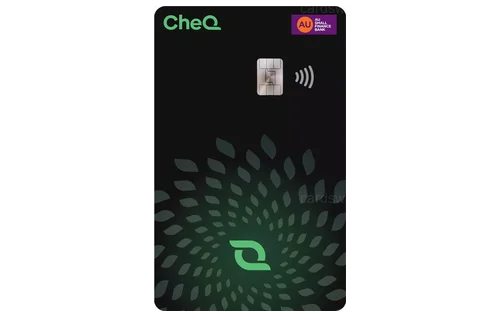
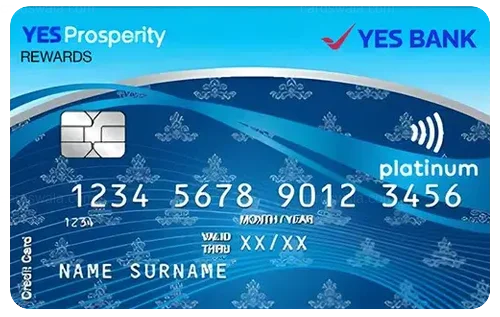
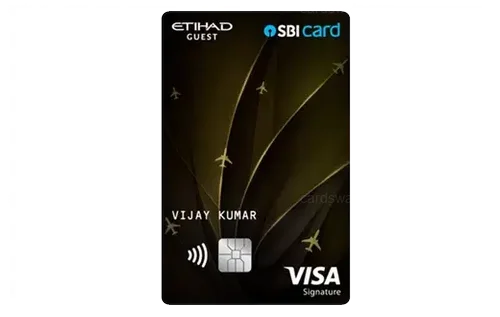
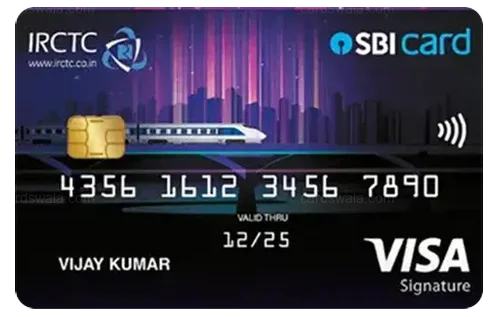
ಈ ಕಾರ್ಡ್ಗಳನ್ನು ನೋಡಿ
CardsWala Crew
ಕ್ರೆಡಿಟ್ ಕಾರ್ಡ್ ತಜ್ಞ ಮತ್ತು ಹಣಕಾಸು ಬರಹಗಾರ