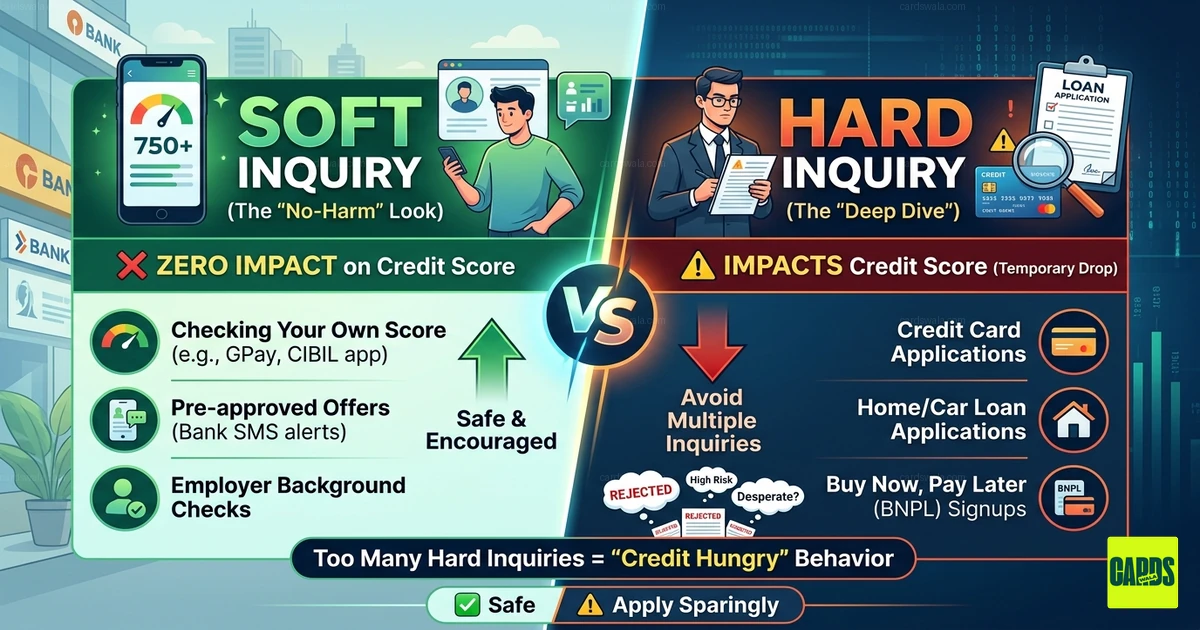
🛡️ Hard Inquiry vs. Soft Inquiry: What Actually Hits Your Credit Score?
If you’ve ever applied for a credit card at a mall or checked your own score on an app, you’ve likely wondered: "Wait, is this going to tank my CIBIL score?" 📉
In India, where a solid credit score is the golden ticket to better interest rates and easy loan approvals, understanding the difference between a hard inquiry and a soft inquiry is crucial. Think of it as the difference between a formal job interview and a casual LinkedIn profile view—one has consequences, and the other is just a "look-see."
🔍 1. What is a Soft Inquiry? (The "No-Harm" Look)
A soft inquiry occurs when your credit report is checked for reasons not related to a formal loan application. The best part? Soft inquiries do not affect your credit score. Common examples in India:
- Self-Checks: 📱 Checking your own score via CIBIL, Experian, or apps like GPay, Paytm, and OneScore.
- Pre-approved Offers: 🎁 When banks like HDFC, ICICI, or SBI check your eligibility to send you those "Pre-approved" loan SMS alerts.
- Background Checks: 💼 When a potential employer verifies your financial reliability as part of a background check.
💡 Pro Tip: You should check your own credit report at least once a month. Since it’s a soft inquiry, it’s 100% safe and helps you spot errors or identity theft early.
⚠️ 2. What is a Hard Inquiry? (The "Deep Dive")
A hard inquiry happens when you formally apply for credit. When you submit that application for a home loan, car loan, or a new credit card, the lender requests your full credit history from bureaus like CIBIL to decide if you're a risky borrower.
Common examples in India:
- Credit Card Applications: 💳 Applying for that new travel or cashback rewards card.
- Loan Applications: 🏠 Home loans, 🚗 car loans, or 🎓 education loans.
- BNPL Services: 🛍️ Applying for "Buy Now, Pay Later" limits on platforms like Amazon Pay, Flipkart Pay Later, or LazyPay.
The Impact: A single hard inquiry might shave off a few points (usually 5 to 10 points) from your score. While that’s not a disaster, the real trouble starts when you have too many in a short period.
📊 3. Hard vs. Soft Inquiry: Quick Comparison
| Feature | Soft Inquiry 🔎 | Hard Inquiry 📑 |
|---|---|---|
| Triggered by | You or a pre-approving lender | Your formal loan/card application |
| Impact on Score | Zero / No Impact ✅ | Negative (Temporary drop) ❌ |
| Visible to Lenders? | No | Yes |
| Affects CIBIL? | No | Yes |
🚫 4. Why "Credit Hunger" is Dangerous
In India, banks look for "Credit Hungry" behavior. If you apply for five different credit cards in one week, your report will show five hard inquiries.
To a lender, this looks like you are in a financial crisis and desperately need cash. This "perceived risk" can lead to your applications being rejected, which can damage your creditworthiness further.
🛡️ 5. How to Protect Your Score
- Space out applications: ⏳ Wait at least 6 months between credit card or loan applications.
- Use Eligibility Tools: ✅ Many Indian fintech platforms allow you to check if you're eligible via a soft pull before you hit the final "Apply" button.
- Check for Errors: 🧐 Sometimes, a hard inquiry appears on your report for a loan you never applied for. Report these to the credit bureau immediately to restore your points.
✨ The Bottom Line
Checking your own score is like looking in the mirror—it doesn’t change how you look. But a hard inquiry is like a formal audit; it leaves a mark. Monitor your score freely, but apply for new credit sparingly to keep that 750+ score intact.
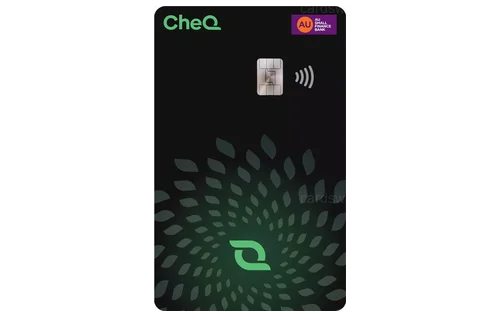
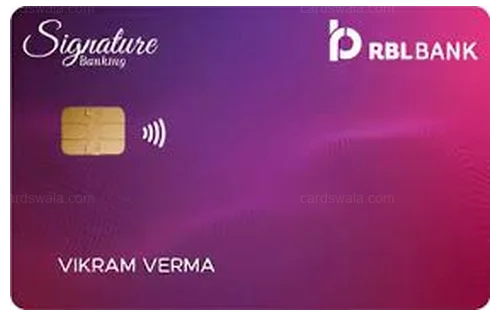
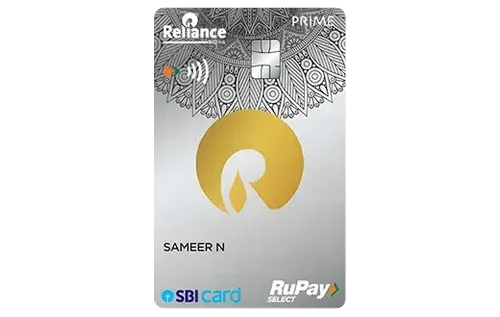
Check Out These Cards

CardsWala Crew
Credit Card Expert & Financial Writer