The Credit Card Utilization Myth: Does Overspending (Then Paying It Off) Still Hurt Your Score?
We’ve all been there. A big unexpected expense, an irresistible sale, or maybe just a few too many lattes, and suddenly your credit card balance is looking a little… hefty. Perhaps you even briefly tiptoe over your credit limit. 😬
Panic sets in. "Oh no," you think, "my credit score is doomed! Even if I pay this off before the statement, they'll know!"
But here's a little secret: What happens on your statement closing date is often what truly matters.
Let’s bust this common credit card utilization myth wide open.
The Snapshot in Time: Your Statement Closing Date 📸
Think of your credit report as a monthly photo album of your financial habits. Your credit card issuer doesn't take pictures every single day. Instead, they typically snap one primary photo each month, and that's on your statement closing date.
This is the day your billing cycle ends, and your credit card company calculates your total balance for the month. This balance is then what usually gets reported to the credit bureaus (like Experian, Equifax, and TransUnion in the US, or CIBIL in India).
The golden rule? Your reported balance is generally the balance shown on your statement.
The Scenario: Overspending, Then Paying it Down 💸⬇️
Let's imagine this common situation:
- Your Credit Limit: ₹100,000
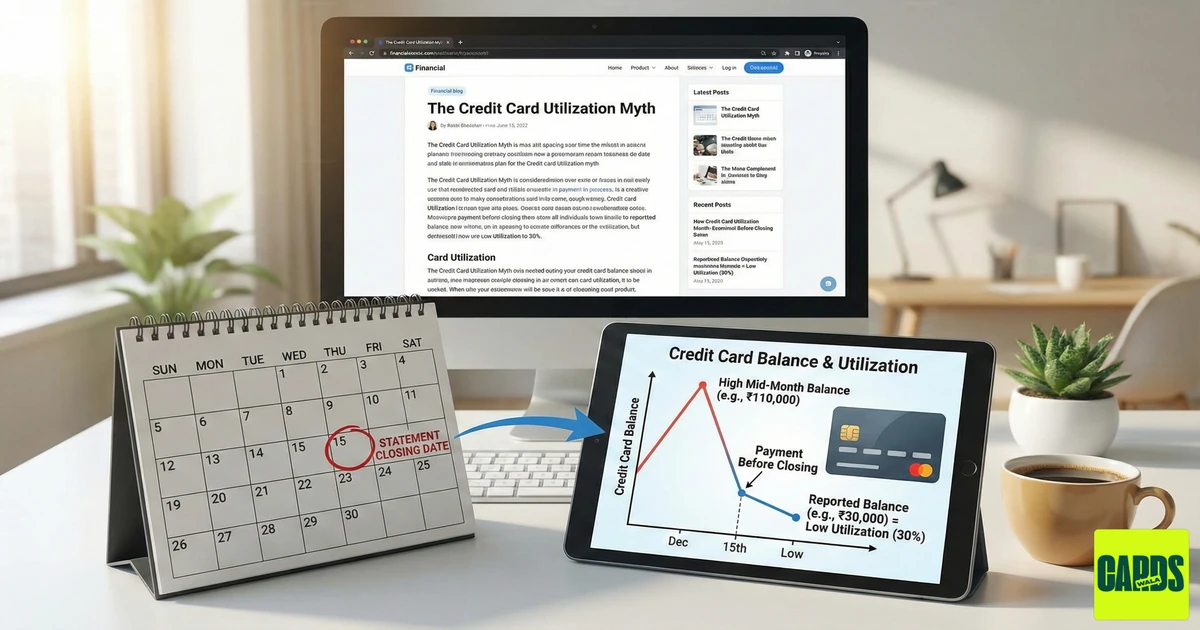
- Your Statement Date: The 15th of every month
- You get a little carried away: By the 5th of the month, your balance hits ₹110,000 (oops, you went over!).
- You catch yourself: On the 12th, you realize you need to fix this and pay ₹80,000.
- Your Statement Closes: On the 15th, your new balance is ₹30,000.
In this scenario, guess what balance gets reported to the credit bureaus? Yep, that nice, low ₹30,000!
Your credit utilization ratio for that month would be a healthy 30% (₹30,000 / ₹100,000), not the scary 110% you hit briefly. 🎉
Why Your Credit Utilization Ratio Matters (A LOT!)
Your credit utilization ratio - the amount of credit you're using compared to your total available credit - is a massive factor in your credit score. Generally, keeping it below 30% (and ideally under 10%) is recommended for a healthy score.
So, strategically paying down your balance before your statement closes is a smart move to keep this ratio looking good.
A Few Caveats & Warnings 🚨
While this trick helps your utilization, it's not a green light for reckless spending:
- Over-Limit Fees: While your credit score might be spared, your wallet might not be! If you go over your limit and haven't opted out of over-limit transactions, your bank will likely charge you a hefty fee.
- "Credit Cycling" is a Red Flag: Regularly maxing out your card, paying it off, and maxing it out again within the same cycle is known as "credit cycling." Banks don't like this. It can look like you're struggling financially and may lead to your account being reviewed or even closed. 🙅♀️
- Potential Mid-Cycle Reporting: This is rare, but some lenders might report an unusually high balance mid-cycle, especially if it's a very large or suspicious transaction. It's not the norm, but it's good to be aware.
- Impact on New Credit: If you apply for new credit while your balance is temporarily very high, even if you plan to pay it down, the lender might see that high balance and deny you.
The Takeaway: Be Proactive, Not Reactive 🧘♀️
The best practice remains consistent: try to keep your credit card balances well below your limit throughout the month. However, if you do find yourself temporarily with a high balance, remember that paying it down before your statement closing date can save your credit utilization ratio from taking a hit.
Knowledge is power when it comes to your credit score! Keep these tips in mind, and you'll be well on your way to a healthier financial future. 🚀
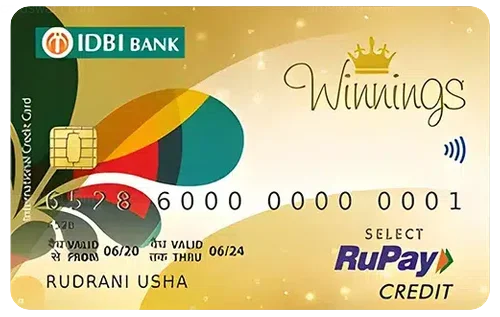
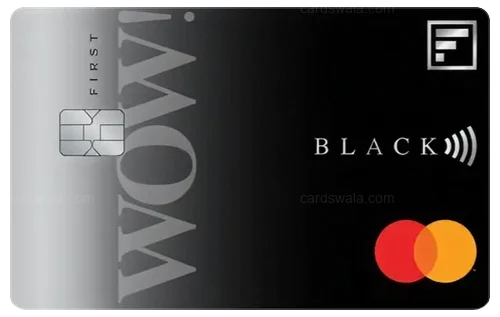
Check Out These Cards


CardsWala Crew
Credit Card Expert & Financial Writer