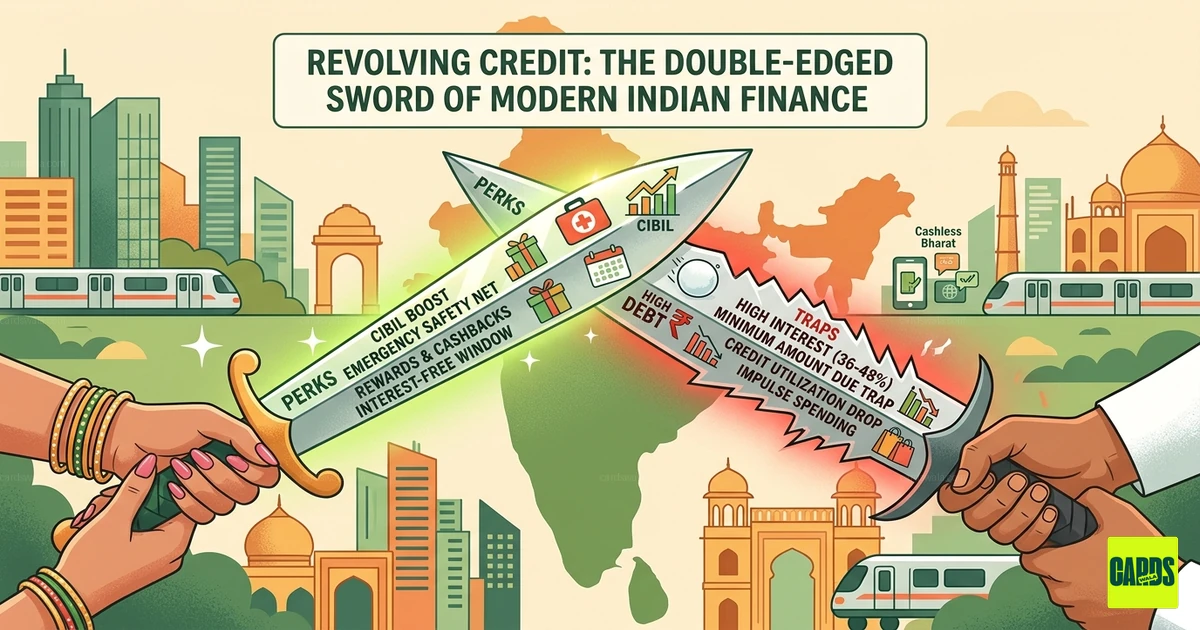
💳 ರಿವಾಲ್ವಿಂಗ್ ಕ್ರೆಡಿಟ್: ಆಧುನಿಕ ಭಾರತೀಯ ಹಣಕಾಸಿನ ಎರಡು ಅಲಗಿನ ಕತ್ತಿ
ನೀವು ಎಂದಾದರೂ ರಿಲಯನ್ಸ್ ಡಿಜಿಟಲ್ ಅಂಗಡಿಯಲ್ಲಿ ಕ್ರೆಡಿಟ್ ಕಾರ್ಡ್ ಸ್ವೈಪ್ ಮಾಡಿದ್ದರೆ ಅಥವಾ ಝೊಮಾಟೊದಲ್ಲಿ "ಬೈ ನೌ, ಪೇ ಲೇಟರ್" (BNPL) ಯೋಜನೆಯನ್ನು ಆಯ್ಕೆ ಮಾಡಿದ್ದರೆ, ನೀವು ರಿವಾಲ್ವಿಂಗ್ ಕ್ರೆಡಿಟ್ ನೊಂದಿಗೆ ತೊಡಗಿಸಿಕೊಂಡಿದ್ದೀರಿ. ಭಾರತದ ವೇಗದ ಡಿಜಿಟಲ್ ಆರ್ಥಿಕತೆಯಲ್ಲಿ, ಕ್ರೆಡಿಟ್ ಇನ್ನು "ಸಾಲದ ಬಲೆ"ಯಲ್ಲ, ಆದರೆ ಮಾಸ್ಟರ್ ಮಾಡಬೇಕಾದ ಸಾಧನವಾಗಿದೆ.
ಆದಾಗ್ಯೂ, ರಿವಾಲ್ವಿಂಗ್ ಕ್ರೆಡಿಟ್ ಶ್ರೇಷ್ಠ ಎರಡು ಅಲಗಿನ ಕತ್ತಿ. ಚೆನ್ನಾಗಿ ಬಳಸಿ, ನೀವು ಹಣಕಾಸಿನ ಮಾಂತ್ರಿಕರು; ಕಳಪೆಯಾಗಿ ಬಳಸಿ, ನೀವು ಸಾಲದ ಸುಳಿಯಲ್ಲಿ. ಬ್ಲೇಡ್ ಅನ್ನು ಹೇಗೆ ಸಮತೋಲನಗೊಳಿಸಬೇಕು ಎಂದು ನೋಡೋಣ. ⚔️
🔍 ರಿವಾಲ್ವಿಂಗ್ ಕ್ರೆಡಿಟ್ ಎಂದರೇನು? (ಸರಳ ವ್ಯಾಖ್ಯಾನ)
ಹೋಮ್ ಲೋನ್ ಅಥವಾ ಕಾರ್ ಲೋನ್ಗಿಂತ ಭಿನ್ನವಾಗಿ (ಅಲ್ಲಿ ನೀವು ಒಟ್ಟು ಮೊತ್ತವನ್ನು ಪಡೆಯುತ್ತೀರಿ ಮತ್ತು ನಿಗದಿತ EMI ಗಳಲ್ಲಿ ಮರುಪಾವತಿ ಮಾಡುತ್ತೀರಿ), ರಿವಾಲ್ವಿಂಗ್ ಕ್ರೆಡಿಟ್ ಎಂಬುದು ಹಣದ ಹೊಂದಿಕೊಳ್ಳುವ ಸಾಲು.
- ಲಿಮಿಟ್: ನಿಮ್ಮ ಬ್ಯಾಂಕ್ ನಿಮಗೆ ಗರಿಷ್ಠ ಖರ್ಚು ಕ್ಯಾಪ್ ನೀಡುತ್ತದೆ (ಉದಾ., ₹1,00,000).
- ಸೈಕಲ್: ನೀವು ₹20,000 ಖರ್ಚು ಮಾಡುತ್ತೀರಿ → ನಿಮ್ಮ ಲಭ್ಯವಿರುವ ಲಿಮಿಟ್ ₹80,000 ಆಗುತ್ತದೆ. 📉
- "ರಿವಾಲ್ವ್": ನೀವು ಆ ₹20,000 ಅನ್ನು ಮರುಪಾವತಿ ಮಾಡುತ್ತೀರಿ → ನಿಮ್ಮ ಲಿಮಿಟ್ "ರಿವಾಲ್ವ್" ಆಗಿ ₹1,00,000 ಗೆ ಹಿಂತಿರುಗುತ್ತದೆ. 🔄
✨ ತೀಕ್ಷ್ಣ ಅಂಚು: ರಿವಾಲ್ವಿಂಗ್ ಕ್ರೆಡಿಟ್ ನಿಮ್ಮ ಅತ್ಯುತ್ತಮ ಸ್ನೇಹಿತ ಏಕೆ
ಶಿಸ್ತುಬದ್ಧವಾಗಿ ಬಳಸಿದಾಗ, ಈ ಹಣಕಾಸಿನ ಸಾಧನವು ನಗದು ಸರಳವಾಗಿ ಹೊಂದಿಸಲು ಸಾಧ್ಯವಾಗದ ಪರ್ಕ್ಗಳನ್ನು ನೀಡುತ್ತದೆ:
- 🚀 ನಿಮ್ಮ ಸಿಬಿಲ್ ಸ್ಕೋರ್ ಅನ್ನು ಹೆಚ್ಚಿಸಿ: ನಿಯಮಿತ, ಸಣ್ಣ ಖರ್ಚುಗಳು ಮತ್ತು ಸಮಯಕ್ಕೆ ಸರಿಯಾಗಿ ಮರುಪಾವತಿಗಳು ಹೆಚ್ಚಿನ ಕ್ರೆಡಿಟ್ ಸ್ಕೋರ್ ಅನ್ನು ನಿರ್ಮಿಸಲು ವೇಗವಾದ ಮಾರ್ಗವಾಗಿದೆ, ಭವಿಷ್ಯದ ಹೋಮ್ ಲೋನ್ಗಳನ್ನು ಹೆಚ್ಚು ಅಗ್ಗವಾಗಿಸುತ್ತದೆ.
- 🏥 ತುರ್ತು ಸುರಕ್ಷತಾ ಜಾಲ: SIP ಗಳು ಅಥವಾ FD ಗಳಲ್ಲಿ ನಿಮ್ಮ ಉಳಿತಾಯವು ಸಿಲುಕಿಕೊಂಡಾಗ ವೈದ್ಯಕೀಯ ತುರ್ತು ಪರಿಸ್ಥಿತಿಗಳು ಅಥವಾ ತುರ್ತು ದುರಸ್ತಿಗಳಿಗೆ ತಕ್ಷಣದ ನಿಧಿಯಾಗಿ ಕಾರ್ಯನಿರ್ವಹಿಸುತ್ತದೆ.
- 🎁 ರಿವಾರ್ಡ್ಗಳು ಮತ್ತು ಕ್ಯಾಶ್ಬ್ಯಾಕ್ಗಳು: ಫ್ಲಿಪ್ಕಾರ್ಟ್ ಆಕ್ಸಿಸ್ ಬ್ಯಾಂಕ್ 5% ಕ್ಯಾಶ್ಬ್ಯಾಕ್ಗಳಿಂದ ಟಾಟಾ ನ್ಯೂ ಕಾಯಿನ್ಗಳವರೆಗೆ, ರಿವಾಲ್ವಿಂಗ್ ಕ್ರೆಡಿಟ್ ಅಕ್ಷರಶಃ ನಿಮಗೆ ಶಾಪ್ ಮಾಡಲು ಹಣ ನೀಡುತ್ತದೆ.
- ⏳ ಬಡ್ಡಿ-ಮುಕ್ತ ವಿಂಡೋ: ಹೆಚ್ಚಿನ ಭಾರತೀಯ ಕಾರ್ಡ್ಗಳು 45 ರಿಂದ 50-ದಿನಗಳ ಬಡ್ಡಿ-ಮುಕ್ತ ಅವಧಿಯನ್ನು ನೀಡುತ್ತವೆ. ಇದು ಮೂಲಭೂತವಾಗಿ ಉಚಿತ ಅಲ್ಪಾವಧಿಯ ಸಾಲ!
⚠️ ಮೊಂಡು ಅಂಚು: ಅದು ಏಕೆ ಅಪಾಯಕಾರಿ "ಸಾಲದ ಬಲೆ"
ರಿವಾಲ್ವಿಂಗ್ ಕ್ರೆಡಿಟ್ನ ಅನುಕೂಲತೆಯು ಅತ್ಯಂತ ಬುದ್ಧಿವಂತ ಖರ್ಚು ಮಾಡುವವರನ್ನು ಸಹ ಎಚ್ಚರಿಕೆಯಿಲ್ಲದೆ ಹಿಡಿಯಬಹುದಾದ ಕರಾಳ ಮುಖವನ್ನು ಹೊಂದಿದೆ:
- 💸 ಹೆಚ್ಚಿನ ಬಡ್ಡಿ ದರಗಳು (APR): ನೀವು ಪೂರ್ಣ ಬಿಲ್ ಅನ್ನು ಪಾವತಿಸದಿದ್ದರೆ, ಭಾರತದಲ್ಲಿ ಬಡ್ಡಿ ದರಗಳು ವರ್ಷಕ್ಕೆ 36% ಮತ್ತು 48% ನಡುವೆ ಗಗನಕ್ಕೇರಬಹುದು. ಅದು ಯಾವುದೇ ಪರ್ಸನಲ್ ಲೋನ್ಗಿಂತ ಗಮನಾರ್ಹವಾಗಿ ಹೆಚ್ಚು.
- 🕳️ "ಕನಿಷ್ಠ ಮೊತ್ತ ಬಾಕಿ" ಬಲೆ: ಬ್ಯಾಂಕ್ಗಳು ನಿಮ್ಮ ಬಿಲ್ನ ಕೇವಲ ~5% ಅನ್ನು ಮಾತ್ರ ಕೇಳುತ್ತವೆ. ಇದು ಮಾನಸಿಕ ಟ್ರಿಕ್! ಕೇವಲ ಕನಿಷ್ಠವನ್ನು ಪಾವತಿಸುವುದು ತಡವಾದ ಶುಲ್ಕಗಳನ್ನು ನಿಲ್ಲಿಸುತ್ತದೆ ಆದರೆ ಉಳಿದ 95% ಮೇಲೆ ಬೃಹತ್ ಬಡ್ಡಿಯು ಸ್ನೋಬಾಲ್ ಆಗಲು ಅನುವು ಮಾಡಿಕೊಡುತ್ತದೆ.
- 📉 ಕ್ರೆಡಿಟ್ ಬಳಕೆ ಅನುಪಾತ (CUR): ನೀವು ₹1 ಲಕ್ಷ ಲಿಮಿಟ್ ಹೊಂದಿದ್ದರೆ ಮತ್ತು ನೀವು ಸ್ಥಿರವಾಗಿ ₹90,000 ಖರ್ಚು ಮಾಡಿದರೆ, ನಿಮ್ಮ ಸಿಬಿಲ್ ಸ್ಕೋರ್ ಇಳಿಯುತ್ತದೆ. ಬ್ಯಾಂಕ್ಗಳು ಇದನ್ನು "ಕ್ರೆಡಿಟ್ ಹಸಿದ" ನಡವಳಿಕೆ ಎಂದು ನೋಡುತ್ತವೆ.
- 🛍️ ಹಠಾತ್ ಖರ್ಚು: ಕಾರ್ಡ್ ಸ್ವೈಪ್ ಮಾಡುವಾಗ "ಭೌತಿಕ ನೋವು" ಇಲ್ಲದಿರುವುದು ನೀವು ಇನ್ನೂ ಗಳಿಸದ ಹಣದಿಂದ ನಿಮಗೆ ಅಗತ್ಯವಿಲ್ಲದ ವಸ್ತುಗಳನ್ನು ಖರೀದಿಸಲು ಸುಲಭಗೊಳಿಸುತ್ತದೆ.
🛠️ ಪ್ರೊ-ಟಿಪ್ಸ್: ಕತ್ತಿಯನ್ನು ಹೇಗೆ ಮಾಸ್ಟರ್ ಮಾಡುವುದು
ನಿಮ್ಮ ಕ್ರೆಡಿಟ್ ಕಾರ್ಡ್ ನಿಮಗಾಗಿ ಕೆಲಸ ಮಾಡುತ್ತದೆ, ಬ್ಯಾಂಕ್ಗಾಗಿ ಅಲ್ಲ ಎಂದು ಖಚಿತಪಡಿಸಿಕೊಳ್ಳಲು, ಈ ಸುವರ್ಣ ನಿಯಮಗಳನ್ನು ಅನುಸರಿಸಿ:
| ವೈಶಿಷ್ಟ್ಯ | ಸ್ಮಾರ್ಟ್ ನಡೆ ✅ | ಅಪಾಯಕಾರಿ ನಡೆ ❌ |
|---|---|---|
| ಪಾವತಿ | ಪ್ರತಿ ತಿಂಗಳು ಟೋಟಲ್ ಅಮೌಂಟ್ ಡ್ಯೂ ಅನ್ನು ಪಾವತಿಸಿ. | ಕೇವಲ ಕನಿಷ್ಠ ಮೊತ್ತವನ್ನು ಪಾವತಿಸುವುದು. |
| ಬಳಕೆ | ನಿಮ್ಮ ಲಿಮಿಟ್ನ 30% ಕ್ಕಿಂತ ಕಡಿಮೆ ಬಳಕೆಯನ್ನು ಇರಿಸಿ. | ಪ್ರತಿ ತಿಂಗಳು ನಿಮ್ಮ ಕ್ರೆಡಿಟ್ ಲಿಮಿಟ್ ಅನ್ನು ಮ್ಯಾಕ್ಸ್ ಔಟ್ ಮಾಡುವುದು. |
| ATM ಹಿಂಪಡೆಯುವಿಕೆ | ಎಂದಿಗೂ ಕ್ರೆಡಿಟ್ ಕಾರ್ಡ್ ಬಳಸಿ ನಗದು ಹಿಂಪಡೆಯಬೇಡಿ. | ATM ನಲ್ಲಿ ಕ್ರೆಡಿಟ್ ಕಾರ್ಡ್ ಬಳಸುವುದು (ಬಡ್ಡಿ ತಕ್ಷಣ ಪ್ರಾರಂಭವಾಗುತ್ತದೆ). |
| ಟ್ರ್ಯಾಕಿಂಗ್ | ಕ್ರೆಡ್ ನಂತಹ ಅಪ್ಲಿಕೇಶನ್ಗಳನ್ನು ಬಳಸಿ ಅಥವಾ ಬ್ಯಾಂಕ್ ಆಟೋ-ಪೇ ಹೊಂದಿಸಿ. | ಕೊನೆಯ ದಿನದಂದು SMS ರಿಮೈಂಡರ್ಗಾಗಿ ಕಾಯುವುದು. |
🏁 ಅಂತಿಮ ತೀರ್ಪು
ಭಾರತದಲ್ಲಿ, ನಾವು "ಕ್ಯಾಶ್ಲೆಸ್ ಭಾರತ" ದತ್ತ ಸಾಗುತ್ತಿರುವಾಗ, ರಿವಾಲ್ವಿಂಗ್ ಕ್ರೆಡಿಟ್ ನಿಮ್ಮ ಹಣಕಾಸಿನ ಟೂಲ್ಕಿಟ್ನ ಪ್ರಮುಖ ಭಾಗವಾಗಿದೆ. ಇದು ಆಧುನಿಕ ಜೀವನಶೈಲಿಗೆ ಅಗತ್ಯವಾದ ದ್ರವ್ಯತೆ ಮತ್ತು ರಿವಾರ್ಡ್ಗಳನ್ನು ಒದಗಿಸುತ್ತದೆ. ಆದಾಗ್ಯೂ, ಇದಕ್ಕೆ ಸನ್ಯಾಸಿ ಶಿಸ್ತು ಅಗತ್ಯವಿದೆ.
ಕತ್ತಿಯನ್ನು ಗೌರವಿಸಿ, ಮತ್ತು ಅದು ನಿಮ್ಮ ಹಣಕಾಸಿನ ಗುರಿಗಳಿಗೆ ಮಾರ್ಗವನ್ನು ತೆರವುಗೊಳಿಸಲು ಸಹಾಯ ಮಾಡುತ್ತದೆ. ಅದನ್ನು ಆಟಿಕೆಯಂತೆ ಪರಿಗಣಿಸಿ, ಮತ್ತು ಅದು ನಿಮ್ಮ ಹಣಕಾಸಿನ ಭವಿಷ್ಯವನ್ನು ತುಂಡುಗಳಾಗಿ ಕತ್ತರಿಸಬಹುದು.
ನೀವು ನಿಮ್ಮ ಕ್ರೆಡಿಟ್ ಕಾರ್ಡ್ ಅನ್ನು ರಿವಾರ್ಡ್ಗಳನ್ನು ಗಳಿಸಲು ಬಳಸುತ್ತಿದ್ದೀರಾ, ಅಥವಾ ನೀವು ಪ್ರಸ್ತುತ ಬಡ್ಡಿ ಚಕ್ರದಲ್ಲಿ ಸಿಲುಕಿಕೊಂಡಿದ್ದೀರಾ?
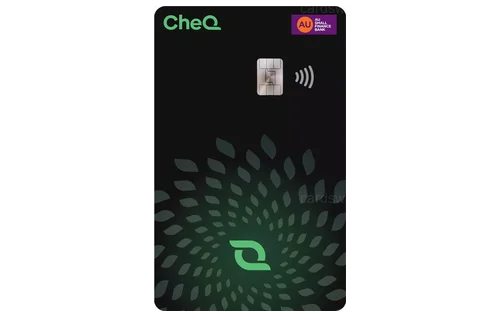
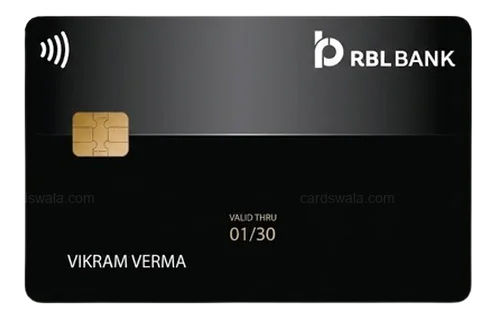
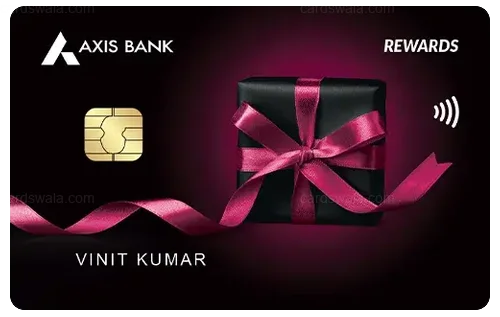
ಈ ಕಾರ್ಡ್ಗಳನ್ನು ನೋಡಿ
CardsWala Crew
ಕ್ರೆಡಿಟ್ ಕಾರ್ಡ್ ತಜ್ಞ ಮತ್ತು ಹಣಕಾಸು ಬರಹಗಾರ