ಸಿಬಿಲ್ vs ಎಕ್ಸ್ಪೀರಿಯನ್ vs ಈಕ್ವಿಫ್ಯಾಕ್ಸ್ vs ಕ್ರಿಫ್: ಯಾವ ಕ್ರೆಡಿಟ್ ಸ್ಕೋರ್ ಹೆಚ್ಚು ಮುಖ್ಯ? 🎯
ಭಾರತದಲ್ಲಿ ನೀವು ಸಾಲ ಅಥವಾ ಕ್ರೆಡಿಟ್ ಕಾರ್ಡ್ಗೆ ಅರ್ಜಿ ಸಲ್ಲಿಸಿದಾಗ, ನಿಮ್ಮ ಹಣಕಾಸಿನ ಹಣೆಬರಹವನ್ನು ಹೆಚ್ಚಾಗಿ ಒಂದೇ ಮೂರು-ಅಂಕಿಯ ಸಂಖ್ಯೆಗೆ ಇಳಿಸಲಾಗುತ್ತದೆ. ಆದರೆ ಇಲ್ಲಿದೆ ಕ್ಯಾಚ್: ನಿಮಗೆ ಕೇವಲ ಒಂದು ಕ್ರೆಡಿಟ್ ಸ್ಕೋರ್ ಇಲ್ಲ. ನೀವು ವಾಸ್ತವವಾಗಿ ನಾಲ್ಕು ಹೊಂದಿದ್ದೀರಿ.
ಭಾರತದಲ್ಲಿ, ರಿಸರ್ವ್ ಬ್ಯಾಂಕ್ ಆಫ್ ಇಂಡಿಯಾ (ಆರ್ಬಿಐ) ನಾಲ್ಕು ಕ್ರೆಡಿಟ್ ಇನ್ಫರ್ಮೇಷನ್ ಕಂಪನಿಗಳಿಗೆ (CICs) ಪರವಾನಗಿ ನೀಡಿದೆ: ಟ್ರಾನ್ಸ್ಯೂನಿಯನ್ ಸಿಬಿಲ್, ಎಕ್ಸ್ಪೀರಿಯನ್, ಈಕ್ವಿಫ್ಯಾಕ್ಸ್ ಮತ್ತು ಕ್ರಿಫ್ ಹೈ ಮಾರ್ಕ್.
ಅವೆಲ್ಲವೂ ನಿಮ್ಮ "ಕ್ರೆಡಿಟ್ ಅರ್ಹತೆಯನ್ನು" ಅಳೆಯುತ್ತವೆಯಾದರೂ, ಅವು ಹೆಚ್ಚಾಗಿ ವಿಭಿನ್ನ ಸಂಖ್ಯೆಗಳನ್ನು ತೋರಿಸುತ್ತವೆ. ಇದು ಅಂತಿಮ ಪ್ರಶ್ನೆಗೆ ಕಾರಣವಾಗುತ್ತದೆ: ನಿಮ್ಮ ಸಾಲದ ಅನುಮೋದನೆಗೆ ಯಾವ ಬ್ಯೂರೋ ಹೆಚ್ಚು ಮುಖ್ಯ? ಅದನ್ನು ವಿಭಜಿಸೋಣ.
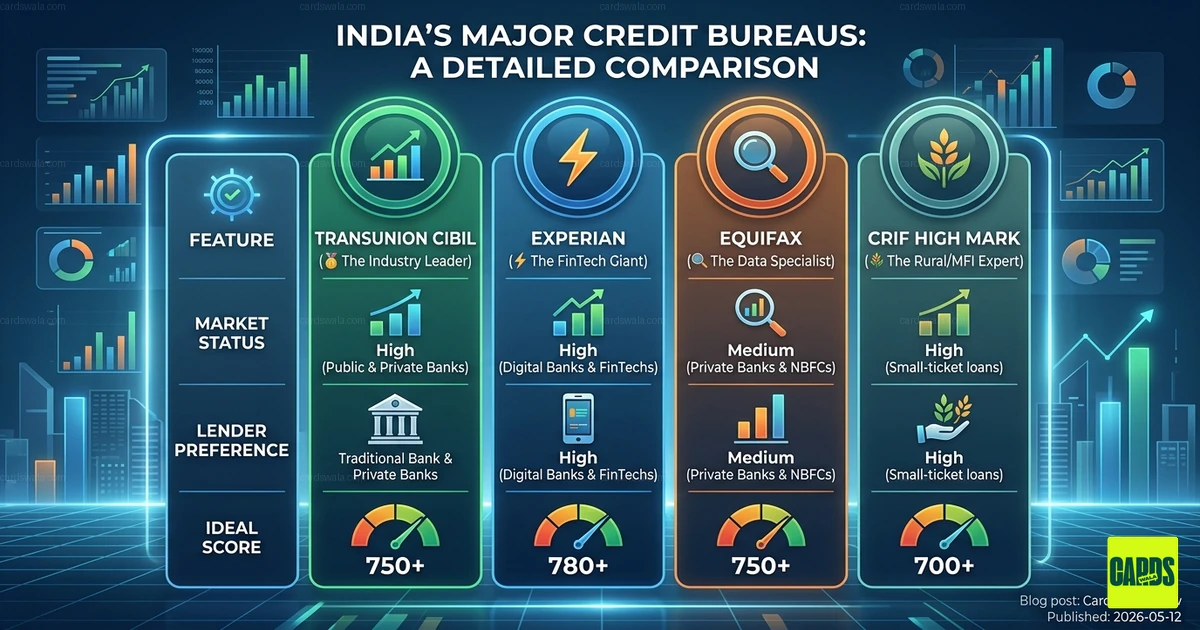
ಬಿಗ್ ಫೋರ್: ಒಂದು ನೋಟದಲ್ಲಿ 📊
ನಾಲ್ಕು ಬ್ಯೂರೋಗಳು 300 ರಿಂದ 900 ವರೆಗಿನ ಸ್ಕೋರಿಂಗ್ ಶ್ರೇಣಿಯನ್ನು ಬಳಸುತ್ತವೆ. ತೆರೆಮರೆಯ ಗಣಿತವು ಭಿನ್ನವಾಗಿದ್ದರೂ, ಗುರಿ ಒಂದೇ: ನೀವು ಸಾಲವನ್ನು ಮರುಪಾವತಿ ಮಾಡುವ ಸಾಧ್ಯತೆ ಎಷ್ಟು ಎಂದು ಊಹಿಸುವುದು.
| ವೈಶಿಷ್ಟ್ಯ | ಟ್ರಾನ್ಸ್ಯೂನಿಯನ್ ಸಿಬಿಲ್ | ಎಕ್ಸ್ಪೀರಿಯನ್ | ಈಕ್ವಿಫ್ಯಾಕ್ಸ್ | ಕ್ರಿಫ್ ಹೈ ಮಾರ್ಕ್ |
|---|---|---|---|---|
| ಮಾರುಕಟ್ಟೆ ಸ್ಥಿತಿ | 🏆 ಉದ್ಯಮದ ನಾಯಕ | ⚡ ಫಿನ್ಟೆಕ್ ದೈತ್ಯ | 🔍 ಡೇಟಾ ತಜ್ಞ | 🌾 ಗ್ರಾಮೀಣ/MFI ತಜ್ಞ |
| ಸಾಲದಾತರ ಆದ್ಯತೆ | ಹೆಚ್ಚು (ಸಾರ್ವಜನಿಕ ಮತ್ತು ಖಾಸಗಿ ಬ್ಯಾಂಕ್ಗಳು) | ಹೆಚ್ಚು (ಡಿಜಿಟಲ್ ಬ್ಯಾಂಕ್ಗಳು ಮತ್ತು ಫಿನ್ಟೆಕ್ಗಳು) | ಮಧ್ಯಮ (ಖಾಸಗಿ ಬ್ಯಾಂಕ್ಗಳು ಮತ್ತು NBFCಗಳು) | ಹೆಚ್ಚು (ಸಣ್ಣ-ಟಿಕೆಟ್ ಸಾಲಗಳು) |
| ಆದರ್ಶ ಸ್ಕೋರ್ | 750+ | 780+ | 750+ | 700+ |
1. ಟ್ರಾನ್ಸ್ಯೂನಿಯನ್ ಸಿಬಿಲ್: ಗೋಲ್ಡ್ ಸ್ಟ್ಯಾಂಡರ್ಡ್ 🥇
ಸಿಬಿಲ್ ಭಾರತದಲ್ಲಿ ಅತ್ಯಂತ ಹಳೆಯ ಮತ್ತು ಅತ್ಯಂತ ಪ್ರಭಾವಶಾಲಿ ಕ್ರೆಡಿಟ್ ಬ್ಯೂರೋ ಆಗಿದೆ. ಇದು ಅತ್ಯಂತ ವಿಸ್ತಾರವಾದ ಐತಿಹಾಸಿಕ ಡೇಟಾವನ್ನು ಹೊಂದಿರುವುದರಿಂದ, ಇದು ಸಾಂಪ್ರದಾಯಿಕ ಸಂಸ್ಥೆಗಳಿಗೆ ಪ್ರಾಥಮಿಕ ಆಯ್ಕೆಯಾಗಿದೆ.
- ಅತ್ಯುತ್ತಮ: ಹೋಮ್ ಲೋನ್ಗಳು, ಕಾರ್ ಲೋನ್ಗಳು ಮತ್ತು ಶಿಕ್ಷಣ ಸಾಲಗಳು.
- ಇದನ್ನು ಯಾರು ಬಳಸುತ್ತಾರೆ: ಪ್ರಮುಖ ಸಾರ್ವಜನಿಕ ವಲಯದ ಬ್ಯಾಂಕ್ಗಳು (ಎಸ್ಬಿಐ ನಂತಹ) ಮತ್ತು ದೊಡ್ಡ ಖಾಸಗಿ ಆಟಗಾರರು (ಎಚ್ಡಿಎಫ್ಸಿ, ಐಸಿಐಸಿಐ).
- ತೀರ್ಪು: ಕಡಿಮೆ ಬಡ್ಡಿ ದರದೊಂದಿಗೆ ದೊಡ್ಡ-ಟಿಕೆಟ್ ಸಾಲವನ್ನು ಬಯಸಿದರೆ, ಇದು ಅತ್ಯಂತ ಮುಖ್ಯವಾದ ಸ್ಕೋರ್.
2. ಎಕ್ಸ್ಪೀರಿಯನ್: ಡಿಜಿಟಲ್ ಡಿಸ್ರಪ್ಟರ್ 📱
ಎಕ್ಸ್ಪೀರಿಯನ್ ಡಿಜಿಟಲ್ ಸಾಲ ನೀಡುವ ಕ್ರಾಂತಿಗೆ "ಗೋ-ಟು" ಆಗಿರುವ ಜಾಗತಿಕ ದೈತ್ಯ. ನೀವು ಕ್ರೆಡ್, GPay ಅಥವಾ Paytm ನಂತಹ ಅಪ್ಲಿಕೇಶನ್ಗಳಲ್ಲಿ ನಿಮ್ಮ ಕ್ರೆಡಿಟ್ ಅನ್ನು ಪರಿಶೀಲಿಸಿದಾಗ ನೀವು ನೋಡುವ ಸ್ಕೋರ್ ಇದು ಹೆಚ್ಚಾಗಿ.
- ಅತ್ಯುತ್ತಮ: ತಕ್ಷಣದ ಕ್ರೆಡಿಟ್ ಕಾರ್ಡ್ಗಳು ಮತ್ತು ಅಪ್ಲಿಕೇಶನ್-ಆಧಾರಿತ ಪರ್ಸನಲ್ ಲೋನ್ಗಳು.
- ಇದನ್ನು ಯಾರು ಬಳಸುತ್ತಾರೆ: ಟೆಕ್-ಬುದ್ಧಿವಂತ NBFCಗಳು ಮತ್ತು ಡಿಜಿಟಲ್ ಸಾಲ ನೀಡುವ ವೇದಿಕೆಗಳು.
- ತೀರ್ಪು: ಇನ್ನೂ ಸಿಬಿಲ್ ಇತಿಹಾಸವನ್ನು ನಿರ್ಮಿಸದ "ನ್ಯೂ-ಟು-ಕ್ರೆಡಿಟ್" ವ್ಯಕ್ತಿಗಳಿಗೆ ಉತ್ತಮ.
3. ಈಕ್ವಿಫ್ಯಾಕ್ಸ್: ಸಮಗ್ರ ವಿಶ್ಲೇಷಕ 📋
ಈಕ್ವಿಫ್ಯಾಕ್ಸ್ ಕೇವಲ ಸಂಖ್ಯೆಯನ್ನು ನೋಡುವುದಿಲ್ಲ; ಅದು ಕಥೆಯನ್ನು ನೋಡುತ್ತದೆ. ಅವರ ವರದಿಗಳು ಹೆಚ್ಚು ವಿವರವಾಗಿವೆ, ವೈಯಕ್ತಿಕ ಕ್ರೆಡಿಟ್ ನಡವಳಿಕೆ ಮತ್ತು ಟ್ರೆಂಡ್ಗಳ ಮೇಲೆ ಕೇಂದ್ರೀಕರಿಸುತ್ತವೆ.
- ಅತ್ಯುತ್ತಮ: ಪರ್ಸನಲ್ ಲೋನ್ಗಳು ಮತ್ತು ಚಿಲ್ಲರೆ ಕ್ರೆಡಿಟ್.
- ಇದನ್ನು ಯಾರು ಬಳಸುತ್ತಾರೆ: ಖಾಸಗಿ ಬ್ಯಾಂಕ್ಗಳು ಮತ್ತು ವಿಶೇಷ NBFCಗಳ ಮಿಶ್ರಣ.
- ತೀರ್ಪು: ವೈವಿಧ್ಯಮಯ ಕ್ರೆಡಿಟ್ ಪ್ರಕಾರಗಳ ಮಿಶ್ರಣವನ್ನು ಹೊಂದಿರುವ ಸಾಲಗಾರರಿಗೆ ಪ್ರಮುಖ.
4. ಕ್ರಿಫ್ ಹೈ ಮಾರ್ಕ್: ಮೈಕ್ರೋ-ಕ್ರೆಡಿಟ್ ಕಿಂಗ್ 🏘️
ಕ್ರಿಫ್ ಮೈಕ್ರೋಫೈನಾನ್ಸ್ (MFI) ಮತ್ತು ಗ್ರಾಮೀಣ ಸಾಲ ವಲಯಕ್ಕೆ ಬೃಹತ್ ಡೇಟಾಬೇಸ್ ಅನ್ನು ಹೊಂದಿದೆ. ಇದು ಇತರ ಬ್ಯೂರೋಗಳು ತಪ್ಪಿಸಬಹುದಾದ ಜನಸಂಖ್ಯೆಯ ಒಂದು ವಿಭಾಗವನ್ನು ಸೆರೆಹಿಡಿಯುತ್ತದೆ.
- ಅತ್ಯುತ್ತಮ: ಸಣ್ಣ ವ್ಯಾಪಾರ ಸಾಲಗಳು ಮತ್ತು ಮೈಕ್ರೋಫೈನಾನ್ಸ್.
- ಇದನ್ನು ಯಾರು ಬಳಸುತ್ತಾರೆ: ಸ್ಮಾಲ್ ಫೈನಾನ್ಸ್ ಬ್ಯಾಂಕ್ಗಳು ಮತ್ತು ಗ್ರಾಮೀಣ ಸಾಲದಾತರು.
- ತೀರ್ಪು: ನೀವು MSME ಅಥವಾ ಮೈಕ್ರೋ-ಕ್ರೆಡಿಟ್ ಜಾಗದಲ್ಲಿ ಕಾರ್ಯನಿರ್ವಹಿಸುತ್ತಿದ್ದರೆ ಅತ್ಯಗತ್ಯ.
ನನ್ನ ಸ್ಕೋರ್ಗಳು ಏಕೆ ವಿಭಿನ್ನವಾಗಿವೆ? 🧐
ಎಕ್ಸ್ಪೀರಿಯನ್ನಲ್ಲಿ 780 ಮತ್ತು ಸಿಬಿಲ್ನಲ್ಲಿ ಕೇವಲ 745 ಹೊಂದಿರುವುದು ಸಂಪೂರ್ಣವಾಗಿ ಸಾಮಾನ್ಯ. ಏಕೆ ಎಂಬುದು ಇಲ್ಲಿದೆ:
- 🕒 ರಿಪೋರ್ಟಿಂಗ್ ವಿಳಂಬ: ಸಾಲದಾತರು ಬ್ಯೂರೋಗಳಿಗೆ ವಿಭಿನ್ನ ಸಮಯಗಳಲ್ಲಿ ಡೇಟಾವನ್ನು ವರದಿ ಮಾಡುತ್ತಾರೆ. ಒಂದು ಬ್ಯೂರೋ ಕೆಲವು ವಾರಗಳಿಂದ "ಹಿಂದೆ" ಇರಬಹುದು.
- ⚖️ ವಿಭಿನ್ನ ತೂಕ: ಸಿಬಿಲ್ ಕ್ರೆಡಿಟ್ ಮಿಕ್ಸ್ ಗೆ ಆದ್ಯತೆ ನೀಡಬಹುದು, ಆದರೆ ಎಕ್ಸ್ಪೀರಿಯನ್ ಪಾವತಿ ಇತಿಹಾಸಕ್ಕೆ ಹೆಚ್ಚಿನ ತೂಕವನ್ನು ನೀಡಬಹುದು.
- 🚫 ಡೇಟಾ ಅಂತರಗಳು: ಕೆಲವು ಸಣ್ಣ ಸಾಲದಾತರು ವೆಚ್ಚವನ್ನು ಉಳಿಸಲು ಕೇವಲ ಒಂದು ಅಥವಾ ಎರಡು ಬ್ಯೂರೋಗಳಿಗೆ ಮಾತ್ರ ವರದಿ ಮಾಡುತ್ತಾರೆ.
ಅಂತಿಮ ತೀರ್ಪು: ನೀವು ಯಾವುದನ್ನು ಟ್ರ್ಯಾಕ್ ಮಾಡಬೇಕು? 🎯
ನೀವು ಪ್ರಮುಖ ಜೀವನ ಮೈಲಿಗಲ್ಲನ್ನು ಯೋಜಿಸುತ್ತಿದ್ದರೆ - ಮನೆ ಅಥವಾ ಕಾರನ್ನು ಖರೀದಿಸುವಂತೆ - ಸಿಬಿಲ್ ರಾಜ. ಹೆಚ್ಚಿನ ಸಾಂಪ್ರದಾಯಿಕ ಬ್ಯಾಂಕ್ಗಳು ಮೊದಲು ನಿಮ್ಮ ಸಿಬಿಲ್ ವರದಿಯನ್ನು ನೋಡುತ್ತವೆ.
ಆದಾಗ್ಯೂ, ಇಂದಿನ ಆರ್ಥಿಕತೆಯಲ್ಲಿ, ಬಹು-ಬ್ಯೂರೋ ವಿಧಾನವು ಉತ್ತಮವಾಗಿದೆ:
- ದೀರ್ಘಾವಧಿಯ ಸಾಲದ ಅರ್ಹತೆಗಾಗಿ ಸಿಬಿಲ್ ಅನ್ನು ಪರಿಶೀಲಿಸಿ.
- ಡಿಜಿಟಲ್ ಆಫರ್ಗಳು ಮತ್ತು ಕ್ರೆಡಿಟ್ ಕಾರ್ಡ್ಗಳಿಗಾಗಿ ಎಕ್ಸ್ಪೀರಿಯನ್ ಅನ್ನು ಪರಿಶೀಲಿಸಿ.
- ವರ್ಷಕ್ಕೆ ಒಮ್ಮೆಯಾದರೂ ನಾಲ್ಕನ್ನೂ ಪರಿಶೀಲಿಸಿ ಯಾವುದೇ ದೋಷಗಳು ಅಥವಾ "ಪ್ರೇತ" ಖಾತೆಗಳು ನಿಮ್ಮನ್ನು ಕೆಳಕ್ಕೆ ಎಳೆಯುತ್ತಿಲ್ಲ ಎಂದು ಖಚಿತಪಡಿಸಿಕೊಳ್ಳಲು.
ಪ್ರೊ-ಟಿಪ್: ಆರ್ಬಿಐ ಮಾರ್ಗಸೂಚಿಗಳ ಅಡಿಯಲ್ಲಿ, ನೀವು ಪ್ರತಿ ಕ್ಯಾಲೆಂಡರ್ ವರ್ಷದಲ್ಲಿ ಈ ನಾಲ್ಕು ಬ್ಯೂರೋಗಳಲ್ಲಿ ಪ್ರತಿಯೊಂದರಿಂದ ಒಂದು ಉಚಿತ ಪೂರ್ಣ ಕ್ರೆಡಿಟ್ ವರದಿಗೆ ಅರ್ಹರಾಗಿದ್ದೀರಿ. ಅವುಗಳನ್ನು ಬಳಸಿ!
ಈ ಕಾರ್ಡ್ಗಳನ್ನು ನೋಡಿ
CardsWala Crew
ಕ್ರೆಡಿಟ್ ಕಾರ್ಡ್ ತಜ್ಞ ಮತ್ತು ಹಣಕಾಸು ಬರಹಗಾರ