CheQ AU Credit Card VS LIC IDFC Classic Credit Card VS Standard Chartered Smart Credit Card VS IRCTC SBI Card Premier
Fees & Charges
Rewards & Benefits
Travel & Lifestyle
Security & Other
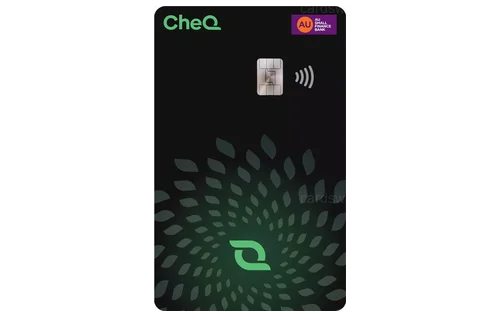
CheQ AU Credit Card
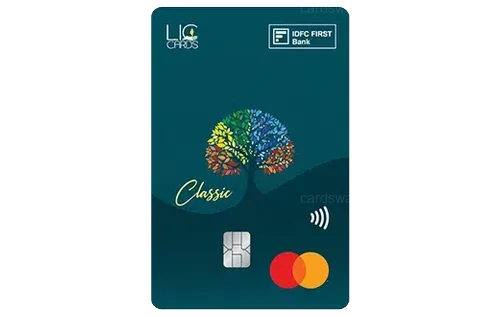
LIC IDFC Classic Credit Card
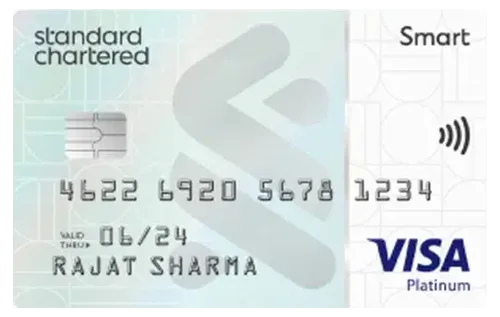
Standard Chartered Smart Credit Card
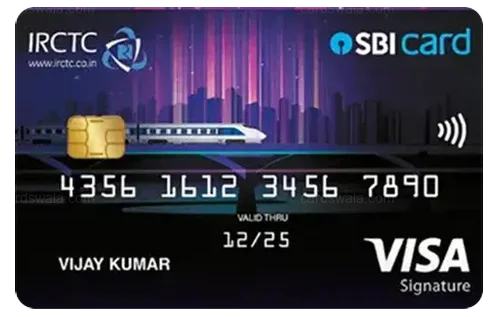
IRCTC SBI Card Premier
Who is it for?
Who is it for?
Who is it for?
Who is it for?
Pros
Key benefits and features.
India's first LED-enabled credit card offers a unique and visually engaging payment experience.
High reward rates up to 12% on popular brands and categories like shopping, travel, and utilities.
Lifetime free for the standard variant, making it an attractive option with no annual fees.
Receive both a Visa (LED) and RuPay card with a single application, offering great versatility.
Uncapped base rewards ensure continuous earning even after reaching accelerated rewards limits.
Pros
Key benefits and features.
Lifetime free credit card with no joining or annual fees.
Offers one free domestic lounge access (conditional on monthly spend).
Provides accelerated rewards on LIC premium payments and other essential categories.
Includes comprehensive insurance benefits like purchase protection and credit shield.
Pros
Key benefits and features.
High cashback rates: 2% on online spends and 1% on other spends.
Potential to earn up to ₹18,000 in cashback annually, maximizing savings.
Extended interest-free period for the first 90 days post card issuance.
Low 0.99% monthly interest rate and zero processing fee on eligible EMI transactions.
Renewal fee waiver on annual spends of ₹1.2 Lakh or more, enhancing value.
Pros
Key benefits and features.
Offers significant savings and rewards for frequent Indian Railways travelers.
Generous 1:1 reward point value, with 1500 bonus points offsetting joining fee.
Enjoy complimentary railway lounge access and waivers on IRCTC booking fees.
Achieve annual fee waiver on spends over Rs. 2 Lakhs, enhancing long-term value.
Cons
Key drawbacks and limitations.
Accelerated rewards are capped at 12,000 CheQ points per month, limiting high spenders.
Rewards are not applicable on several categories like fuel, education, gold, and rent payments.
Optional LED card incurs a one-time issuance fee of ₹999 + GST, which is an additional cost.
Interest rate on revolving credit is high at 3.75% per month (45% per annum), typical of the category.
No domestic or international airport lounge access on this card.
Applications for the LED card open only from April 28, 2026, indicating a future availability.
Cons
Key drawbacks and limitations.
Lower reward rates for general spending compared to specific LIC premium payments.
Domestic lounge access is conditional on a minimum monthly spend of Rs. 5,000.
A redemption fee of Rs. 99 is charged for redeeming accumulated reward points.
High foreign currency markup of 3.5% makes international spends expensive.
Cons
Key drawbacks and limitations.
Cashback is capped monthly (₹1,000 for online, ₹500 for offline spends).
No cashback is earned on fuel transactions or cash withdrawals.
Limited benefits in categories like travel, dining, movies, lounge access, and insurance.
Foreign currency markup of 3.5% is not competitive for international travelers.
Cons
Key drawbacks and limitations.
A redemption fee of Rs. 99 applies to each reward point redemption request.
High foreign currency markup of 3.5% for all international transactions.
Certain valuable insurance benefits like air/rail accident cover will be discontinued.
A 1% charge is levied on online railway ticket cancellations booked with the card.