CheQ AU Credit Card VS IndusInd Bank Avios Visa Infinite Credit Card VS PNB Rakshak Rupay Select Card VS PhonePe SBI Card PURPLE


Fees & Charges
Rewards & Benefits
Travel & Lifestyle
Security & Other
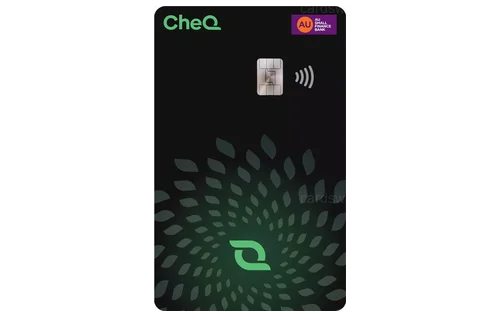
CheQ AU Credit Card
IndusInd Bank Avios Visa Infinite Credit Card
PNB Rakshak Rupay Select Card
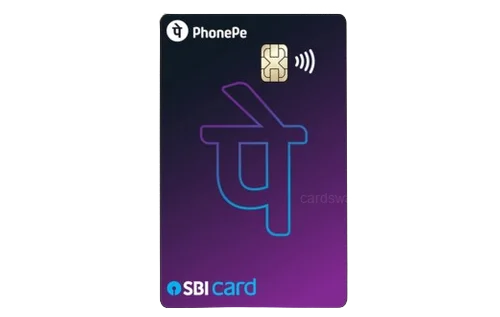
PhonePe SBI Card PURPLE
Who is it for?
Who is it for?
Who is it for?
Who is it for?
Pros
Key benefits and features.
India's first LED-enabled credit card offers a unique and visually engaging payment experience.
High reward rates up to 12% on popular brands and categories like shopping, travel, and utilities.
Lifetime free for the standard variant, making it an attractive option with no annual fees.
Receive both a Visa (LED) and RuPay card with a single application, offering great versatility.
Uncapped base rewards ensure continuous earning even after reaching accelerated rewards limits.
Pros
Key benefits and features.
Exceptional Avios earning rates, especially on international and airline spends.
Comprehensive travel benefits including meet & greet, lounge access, and concierge.
Low foreign currency markup of 1.5% at preferred destinations enhances global spending.
Generous milestone benefits offer up to 36,000 bonus Avios annually on target spends.
Extensive insurance coverage provides robust protection for international travel.
Pros
Key benefits and features.
Enjoy a zero joining fee and an annual fee waiver based on usage, making it very accessible.
Earn accelerated 2X reward points on all your retail merchandise purchases with this PNB card.
Benefit from complimentary access to both domestic and international airport lounges frequently.
Receive exclusive cashback offers on utility bills, dining, and various daily expenses.
Comprehensive insurance coverage provides enhanced security and peace of mind for cardholders.
Pros
Key benefits and features.
Enjoy a high reward rate of 3% on all eligible PhonePe spends, maximizing value.
Receive a valuable milestone benefit: a ₹3,000 Yatra voucher on ₹3 lakhs annual spend.
Benefit from a welcome PhonePe Gift Card worth ₹500, adding immediate value upon joining.
The annual fee is easily waived on a reasonable annual spend of just ₹1 lakh.
Enhanced security features with Chip and PIN technology protect your transactions effectively.
Cons
Key drawbacks and limitations.
Accelerated rewards are capped at 12,000 CheQ points per month, limiting high spenders.
Rewards are not applicable on several categories like fuel, education, gold, and rent payments.
Optional LED card incurs a one-time issuance fee of ₹999 + GST, which is an additional cost.
Interest rate on revolving credit is high at 3.75% per month (45% per annum), typical of the category.
No domestic or international airport lounge access on this card.
Applications for the LED card open only from April 28, 2026, indicating a future availability.
Cons
Key drawbacks and limitations.
High joining and annual fees may deter those who do not travel internationally often.
No spend-based waiver for the annual fee, requiring consistent payment each year.
Domestic lounge access is limited to two visits per quarter, which might be insufficient.
Avios earning is significantly reduced for utility, government, and education spends.
Priority Pass lounge visits within India are not complimentary for the primary cardholder.
Cons
Key drawbacks and limitations.
Specific reward redemption options for the PNB Rakshak Rupay Select Card are not detailed.
Foreign currency markup charges and specific interest rates are not specified in the card details.
The annual fee waiver on the PNB Rakshak card requires consistent quarterly usage to avoid charges.
The general 2X reward rate on retail might not be competitive compared to specialized cards.
Detailed information on cash advance charges and fuel surcharge waivers is currently unavailable.
Cons
Key drawbacks and limitations.
Lack of explicit details on interest rates, foreign currency markup, and other common charges.
No explicit mention of lounge access or other premium travel/lifestyle benefits.
Reward earning caps are not specified for any category, leading to uncertainty.
The term 'eligible' spends implies unstated exclusions for reward earning.