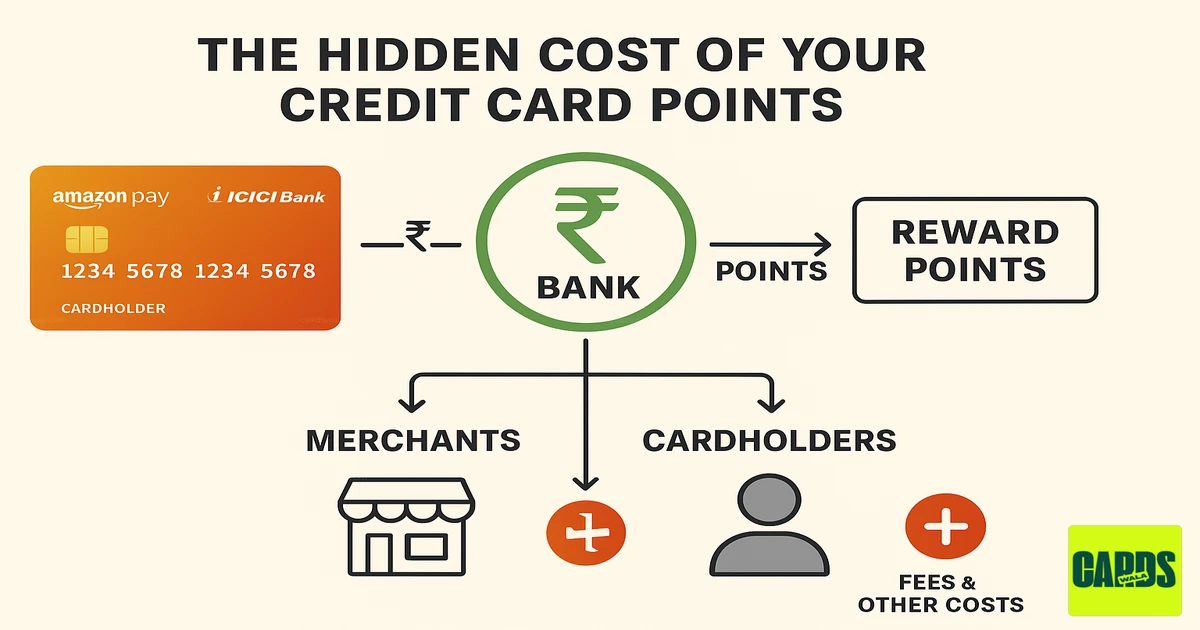
The Hidden Cost of Your Credit Card Points: Who Actually Pays for Your "Free" Rewards in India?
That satisfying ding on your phone after a purchase: "Congratulations! You've earned 500 reward points." It feels great, right? You’re already planning how to use those points for a flight, a shopping voucher, or maybe just some cashback.
But have you ever stopped to wonder where this "free" money or these "free" perks actually come from?
The truth is, credit card rewards aren't magic. They are the result of a complex and brilliant business model where the cost is cleverly spread out. Let's pull back the curtain and see who really foots the bill for your rewards.
🛍️ The Main Payer: Merchants and the "MDR" Fee
The biggest contributor to the rewards pool is the merchant-the shop, restaurant, or website where you swipe your card.
Every time you pay with a credit card, the merchant is charged a transaction fee called the Merchant Discount Rate (MDR). In India, this is typically between 1% and 3% of your bill.
Think of it as the price the business pays for the convenience and security of accepting card payments. That MDR fee doesn't just go to one place. It's split between:
- Your Bank (the Issuing Bank): This is who issued your card (e.g., HDFC, SBI, ICICI). They get the largest slice of the pie.
- The Merchant's Bank (the Acquiring Bank): The bank that provides the card machine.
- The Card Network: Companies like Visa, Mastercard, or RuPay that facilitate the transaction.
Your bank uses its large share of this MDR to fund your reward points. So, premium cards with high reward rates often mean a higher MDR fee is being charged to the merchant.
Let's See it in Action 📱
You buy a new phone for ₹20,000.
- The merchant might pay a 2% MDR, which is ₹400.
- They only receive ₹19,600 from the sale.
- Of that ₹400 fee, your bank might get around ₹300.
- Your bank then gives you points worth ₹200 (a 1% reward rate) and keeps the remaining ₹100 as revenue.
💳 The Hidden Engine: How Cardholders Also Fund the System
Merchants aren't the only ones contributing. Cardholders themselves play a huge role, primarily in two ways.
1. The High Cost of Debt: Interest Payments 💸
This is the financial engine of the credit card industry. Cardholders who don't pay their bill in full by the due date are charged incredibly high interest on their outstanding balance. In India, this interest can be anywhere from 36% to over 50% per year!
The massive profits banks earn from these interest charges create a large pool of money. This money helps to subsidise the generous rewards and benefits given to customers who do pay their balance in full every month.
2. Paying for Perks: Annual & Joining Fees ✨
This is a much more direct contribution. Many of the best rewards cards in India come with:
- Joining Fees: A one-time fee when you get the card.
- Annual Fees: A yearly charge to keep the card active.
These fees can range from ₹499 for a basic card to ₹50,000+ for a super-premium metal card. You are essentially paying a subscription fee for access to higher reward rates, airport lounge access, travel credits, and other exclusive perks.
🛒 The Ultimate Payer: Why Even Cash & UPI Users Chip In
This is the part that surprises most people. To cover the cost of MDR fees on every card transaction, what do you think merchants do? They don't just absorb the loss.
They factor that cost into their overall pricing.
This means the prices of goods and services are slightly inflated for everyone. A person paying with cash or UPI is paying the same price as someone using a credit card. The crucial difference is that the cash/UPI user gets no reward.
In a way, customers who don't use credit cards are indirectly subsidising the points and miles earned by those who do.
A Quick Recap: Who Foots the Bill?
| Payer | How They Pay in India | The Bottom Line |
|---|---|---|
| Merchants | Merchant Discount Rate (MDR) on every transaction. | They are the primary funders of the entire rewards ecosystem. |
| Cardholders (in debt) | High annual interest rates (36%-50%+) on unpaid balances. | Their interest payments create a profit pool that funds rewards for others. |
| Cardholders (premium) | Joining & Annual Fees (from ₹499 to ₹50,000+). | They pay directly for access to premium benefits and higher reward rates. |
| All Consumers | Slightly higher retail prices on everything. | Merchants build the MDR cost into their prices, spreading it across all customers. |
The Takeaway: Use Your Card Wisely
So, are credit card rewards a scam? Not at all. They are a product. Understanding that they aren't "free" is the key to using them intelligently.
The system is designed to reward responsible users who pay their bills in full. These users benefit from the fees paid by merchants and the interest paid by others. The goal is to be in that savvy group, enjoying the perks without falling into the debt trap that fuels the entire system.
Did you know how this system worked? Let us know your thoughts in the comments below!
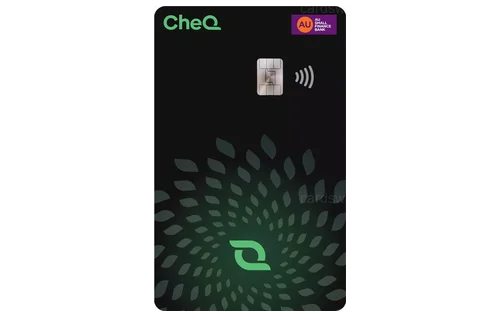
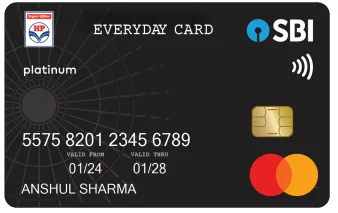
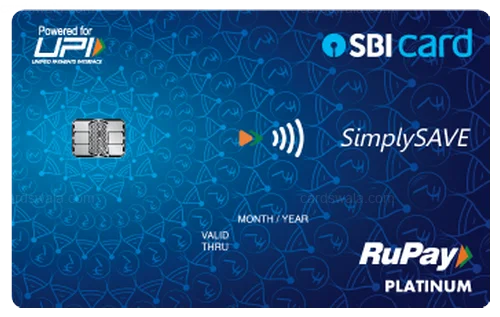
Check Out These Cards

CardsWala Crew
Credit Card Expert & Financial Writer