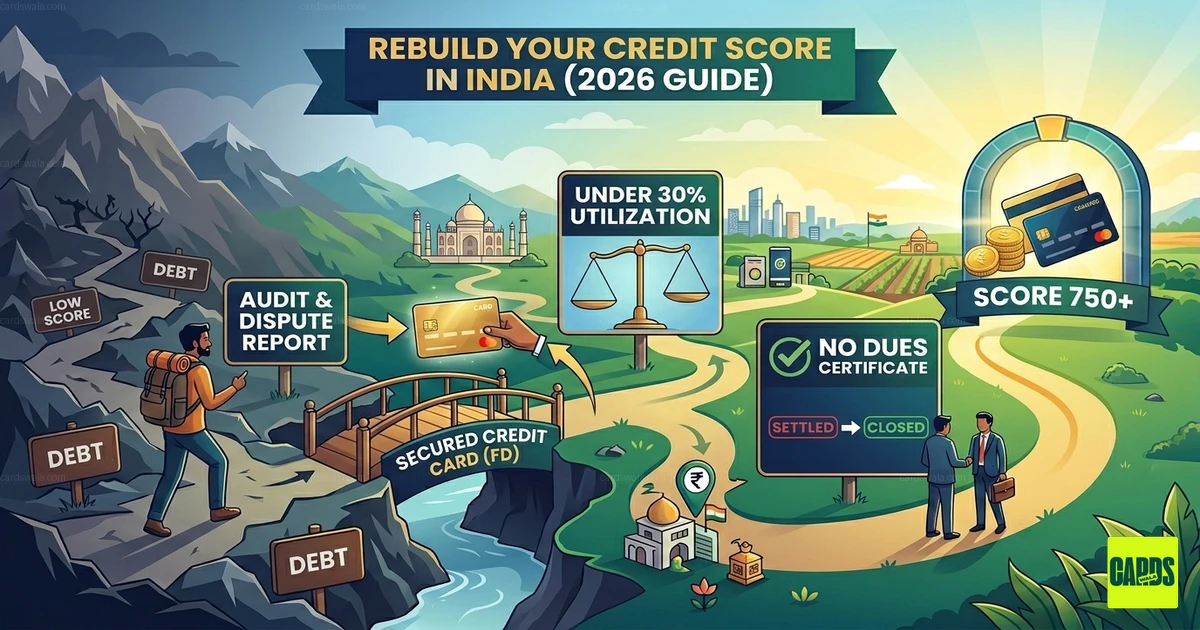
🚀 How to Rebuild Your Credit Score in India (2026 Guide): From 500 to 750+
Having a "bad" credit score in India (typically anything below 650) can feel like a financial dead end. It leads to rejected loan applications, high-interest rates, and missed opportunities for premium credit cards.
However, your credit score is not a permanent record—it is a living document. Whether you’ve faced a default, a "settled" status, or simply mismanaged your EMIs, here is the ultimate step-by-step roadmap to rebuilding your credit score in the Indian market.
1. 🔍 Audit Your Credit Report for "Ghost" Errors
The first step to recovery is knowing exactly what went wrong. In India, you can get one free full report annually from CIBIL, Experian, CRIF High Mark, and Equifax.
- Check for Inaccuracies: Look for loans you never took or accounts that stay "Active" despite being closed.
- The AI Impact: Modern lending algorithms flag reporting errors. A single mistake in your PAN details or a wrong "days past due" (DPD) entry can tank your score.
- Action: If you find an error, use the CIBIL Dispute Resolution portal. Correcting a mistake is the fastest way to see a jump in your score. 📈
2. 💳 Leverage "Secured Credit Cards" (The Credit Builder)
If your score is too low for a standard card, a Secured Credit Card is your most powerful tool. These are issued against a Fixed Deposit (FD).
- Why they work: Because they are backed by collateral, banks don’t check your credit score for approval.
- The Strategy: Use the card for small, recurring expenses and pay the bill in full every month. This creates a "Positive Payment History" that is reported to the bureaus.
- Top Options: Look for cards like the IDFC FIRST WOW, OneCard (Secured), or ICICI Bank Coral Against FD. 🏦
3. 📉 Master the "30% Credit Utilization" Rule
One of the most common reasons for a low score is a high Credit Utilization Ratio (CUR).
- The Rule: Avoid using more than 30% of your total available credit limit.
- Example: If your limit is ₹1,00,000, try to keep your monthly spends below ₹30,000.
- Pro Tip: If you need to spend more, make a partial payment before the statement is generated so that a lower balance is reported to the credit bureaus. 📉
4. 🤝 Fix the "Settled" vs. "Closed" Status
If you have an old debt that you "settled" (paid a partial amount to close the account), your credit report will reflect a "Settled" status. This is a major red flag for lenders.
- The Fix: Approach the bank and offer to pay the remaining "write-off" amount (the discount you originally received).
- The Goal: Get a No Dues Certificate (NDC) and have the bank update the status to "Closed". This single move significantly boosts your credibility in the eyes of future lenders. 🤝
5. 🗓️ Automate and Diversify Your Credit Mix
Consistency is the single most important factor for CIBIL score improvement.
- Automate Payments: Set up auto-debits for your EMIs and credit card "Total Amount Due." Even a one-day delay can be reported and damage your progress.
- Credit Mix: Over time, aim for a balance between unsecured debt (credit cards) and secured debt (gold loans or home loans). A healthy mix shows you can handle different types of financial responsibility. 🗓️
🚫 Stop "Credit Hunger" (Avoid Hard Inquiries)
Every time you apply for a loan, the lender makes a "Hard Inquiry" on your profile.
- The Danger: Multiple hard inquiries in a short period signal to AI-driven scoring models that you are in financial distress.
- The Solution: If you are rejected for a loan, do not apply elsewhere immediately. Wait at least 6 months while you work on the steps above before trying again. 🚫
❓ FAQ: Frequently Asked Questions
Q: How long does it take to repair a bad credit score? A: You will usually see a positive trend within 3–6 months of disciplined behavior. Reaching a "prime" score of 750+ typically takes 12 to 18 months.
Q: Can I delete my bad credit history? A: No. Legitimate negative history stays for 7 years. However, new positive behavior carries more weight in current scoring models than old mistakes.
Q: Does checking my own score lower it? A: No! Checking your own score is a "Soft Inquiry" and has zero impact on your score.
🎯 Your Credit Rebuild Checklist
- ✅ Download your Free CIBIL Report.
- ✅ Raise a Dispute for any errors.
- ✅ Open a Secured Credit Card if needed.
- ✅ Set Auto-Pay for all bills.
- ✅ Keep Utilization under 30%.
Final Thought: Rebuilding credit is about proving to the system that you are reliable. Stay disciplined, monitor your report monthly, and you will eventually regain access to the best financial products in India. 🌟
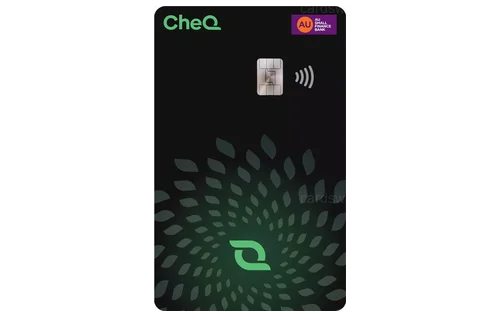
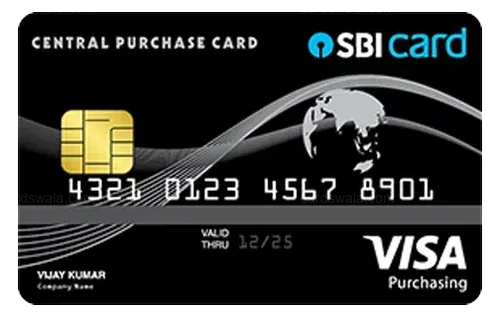
Check Out These Cards


CardsWala Crew
Credit Card Expert & Financial Writer