💳 இந்தியாவில் அதிக கிரெடிட் கார்டு செலவுகள் எப்படி வருமான வரி ஆய்வைத் தூண்டுகின்றன (2026 வழிகாட்டி)
கனவு வாழ்க்கை முறைக்காக ஸ்வைப் செய்துகொண்டிருக்கிறீர்களா? அந்த ரிவார்டு பாயிண்ட்களும் "Buy Now, Pay Later" திட்டங்களும் கவர்ச்சியாக இருந்தாலும், உங்கள் கிரெடிட் கார்டு வெறும் ஒரு பிளாஸ்டிக் துண்டல்ல—அது ஒரு டிஜிட்டல் ஃபுட்பிரிண்ட்.
வருமான வரி சட்டம் 2025 மற்றும் புதுப்பிக்கப்பட்ட 2026 அறிக்கை விதிகள் இப்போது முழு வேகத்தில் அமலில் இருப்பதால், வருமான வரித்துறை "டேட்டா-ஃபர்ஸ்ட்" அணுகுமுறைக்கு மாறியுள்ளது. உங்கள் வாழ்க்கை முறை (செலவு) உங்கள் ஆவணங்களுடன் (ITR) பொருந்தவில்லை என்றால், உங்கள் இன்பாக்ஸில் ஒரு நோட்டீஸ் காணலாம்.
🚨 "ரெட் ஃப்ளாக்" வரம்புகள்: வங்கி காட்டிக்கொடுக்கும்போது
தற்போதைய SFT (Statement of Financial Transactions) வழிகாட்டுதல்களின் கீழ், உங்கள் "உயர் மதிப்பு" நடவடிக்கைகளை அறிவிக்க வங்கிகள் சட்டப்படி கடமைப்பட்டுள்ளன. இதோ அந்தத் தூண்டுதல்கள்:
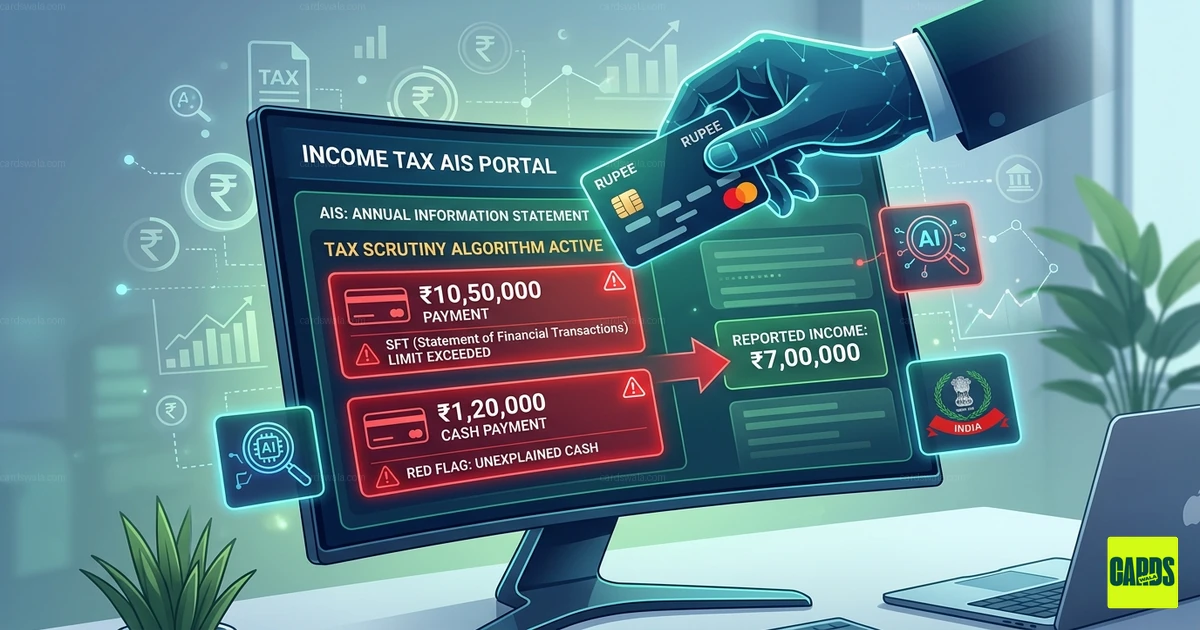
- 📈 ₹10 லட்சம் வரம்பு: உங்கள் மொத்த கிரெடிட் கார்டு பணம் செலுத்துதல்கள் (செக் அல்லது நெட் பேங்கிங் மூலம்) ஒரே நிதியாண்டில் ₹10 லட்சத்தைத் தாண்டினால், அது தானாகவே அறிவிக்கப்படும்.
- 💵 ரொக்கப் பொறி: கிரெடிட் கார்டு பில்களை ₹1 லட்சம் அல்லது அதற்கு மேல் ரொக்கமாக தீர்ப்பது ஒரு பெரிய ரெட் ஃப்ளாக். ரொக்கத்தைக் கண்டறிவது கடினம், மாறாக நிரூபிக்கப்படும் வரை வரி அதிகாரி அதை "விளக்கப்படாத பணம்" என்றே கருதுகிறார்.
- 🌍 வெளிநாட்டுச் செலவுகள்: சர்வதேச பயணம் அல்லது வெளிநாட்டில் ஆடம்பரப் பொருட்களில் ஏராளமாகச் செலவழிக்கிறீர்களா? புதிய 2026 நெறிமுறைகள், உங்கள் PAN-உடன் தொடர்புடைய வெளிநாட்டு செலாவணி வெளியேற்றத்தை இதுவரை இல்லாத கண்டிப்புடன் கண்காணிக்கின்றன.
🔍 வரி அதிகாரி ஏன் ஆர்வமாக உள்ளார்: "வருவாய்-நுகர்வு" இடைவெளி
துறை முரண்பாடுகளைக் கண்டறிய மேம்பட்ட AI மற்றும் டேட்டா அனலிட்டிக்ஸை பயன்படுத்துகிறது. இதோ ஒரு பாரம்பரிய சூழ்நிலை:
உதாரணம்: நீங்கள் உங்கள் ITR-ல் ஆண்டு வருவாயாக ₹7 லட்சம் அறிவிக்கிறீர்கள், ஆனால் அந்த வருடத்தின் உங்கள் கிரெடிட் கார்டு பில்கள் மொத்தம் ₹12 லட்சம்.
சிஸ்டம் இதை உடனடியாகக் குறி காட்டுகிறது. உங்கள் செலவு அறிவிக்கப்பட்ட வருவாயைத் தாண்டினால், கூடுதல் பணம் எங்கிருந்து வந்தது (உதாரணமாக, பரிசுகள், கடன்கள், அல்லது பழைய சேமிப்பு) என்று விளக்கும் பொறுப்பு உங்களுடையது.
🛠️ AIS: உங்கள் "நிதி ஜாதகம்"
நீங்கள் செய்யும் ஒவ்வொரு பெரிய பரிவர்த்தனையும் இப்போது உங்கள் AIS (Annual Information Statement)-ல் பதிவாகிறது.
- வெளிப்படைத்தன்மை: உயர் மதிப்பு கொள்முதல்களை இனி மறைக்க முடியாது.
- முன்னிரப்பு ITR: பெரும்பாலும், நீங்கள் ரிட்டர்ன் ஃபைல் செய்யும்போது இந்தச் செலவுகள் குறுக்குச் சரிபார்ப்பு செய்யப்படுகின்றன.
- நிலைத்தன்மை: AIS நீங்கள் ஒரு கார்டில் ₹15 லட்சம் செலவழித்ததாகக் காட்டினாலும், உங்கள் வரி ரிட்டர்ன் வாடகை கட்டத் தான் கூடிய வருவாய் என்று காட்டினால், பிரிவு 142(1) விசாரணை நோட்டீஸை எதிர்பார்க்கவும்.
⚠️ நோட்டீஸைத் தூண்டும் பொதுவான தவறுகள்
- "ரிவார்டு பாயிண்ட்" உதவி: நண்பர் பணம் திரும்பத் தருவதற்காக அவரின் விலையுயர்ந்த கேஜெட்டுக்காக (உதாரணமாக, ₹1.5 லட்சம் மதிப்புள்ள iPhone) உங்கள் கார்டை ஸ்வைப் செய்தல். வரித்துறை அந்த ₹1.5 லட்சத்தை உங்கள் செலவாகவே பார்க்கிறது.
- வணிகம் & தனிப்பட்டதைக் கலத்தல்: வணிக சரக்குகளுக்கு தனிப்பட்ட கார்டைப் பயன்படுத்துதல். இது உங்கள் தனிப்பட்ட செலவு சுயவிவரத்தைத் தேவையின்றி வீக்குகிறது.
- AIS-ஐ புறக்கணித்தல்: பிழைகளுக்காக உங்கள் ஸ்டேட்மென்டைச் சரிபார்க்காமல் இருப்பது. ஒரு வங்கி ஒரு பரிவர்த்தனையை இரட்டிப்பாக அறிவித்தால், நீங்கள் இரட்டிப்பு செலவழித்ததாகவே தோன்றும்!
✅ 2026-ல் வரி விதிமுறைகளுக்கு இணங்கி இருப்பது எப்படி
- 📱 டிஜிட்டல் ட்ரெயிலைப் பயன்படுத்துங்கள்: ஒரு உறவினர் உங்கள் ஸ்வைப்புக்குப் பணம் திரும்பத் தருகிறார் என்றால், அது UPI அல்லது வங்கி பரிமாற்றம் மூலமாக இருப்பதை உறுதிசெய்யுங்கள். பெரிய தொகைகளுக்கு ரொக்கத் தீர்வுகளைத் தவிர்க்கவும்.
- 📁 உங்கள் இன்வாய்ஸ்களைச் சேமியுங்கள்: ஆடம்பரக் கொள்முதல்களின் பில்களின் டிஜிட்டல் நகல்களை குறைந்தது 6-8 ஆண்டுகளுக்கு வைத்திருங்கள்.
- ⚖️ உங்கள் ITR-ஐ சீராக்குங்கள்: உங்கள் அறிவிக்கப்பட்ட வருவாய் உங்கள் வாழ்க்கை முறையை நியாயமான முறையில் ஆதரிக்கிறது என்பதை உறுதிசெய்யுங்கள். எதிர்பாராத வரவு (உதாரணமாக பரம்பரை சொத்து) கிடைத்திருந்தால், அதற்கான ஆவணங்களை வைத்திருங்கள்.
- 🏢 பிசினஸ் கார்டு பெறுங்கள்: நீங்கள் ஃப்ரீலான்ஸர் அல்லது SME உரிமையாளராக இருந்தால், தொழில் செலவுகளுக்கு ஒரு தனி கார்டை வைத்திருங்கள்.
💡 இறுதிவார்த்தை
அதிகச் செலவு குற்றமல்ல, ஆனால் விளக்கப்படாத செலவு ஒரு வரிப் பொறுப்பாகும். ₹10 லட்சம் மற்றும் ₹1 லட்சம் வரம்புகளைப் பற்றி விழிப்புணர்வுடன் இருந்தால், வரித் தணிக்கையின் அழுத்தம் இல்லாமல் உங்கள் சலுகைகளை அனுபவிக்கலாம்.
உங்கள் கிரெடிட் கார்டு செலவுகள் துல்லியமாக அறிவிக்கப்படுகின்றனவா என்று சரிபார்க்க தொடர்ந்து உங்கள் AIS போர்ட்டலைச் சரிபார்க்கிறீர்களா? கருத்துரைகளில் எங்களுக்குத் தெரிவியுங்கள்!
இந்தக் கார்டுகளைப் பாருங்கள்

CardsWala Crew
கிரெடிட் கார்டு நிபுணர் & நிதி எழுத்தாளர்