💳 ಭಾರತದಲ್ಲಿ ಮರ್ಚೆಂಟ್ ಡಿಸ್ಕೌಂಟ್ ರೇಟ್ (MDR) ಎಂದರೇನು? ನೀವು ತಿಳಿದುಕೊಳ್ಳಬೇಕಾದ ಎಲ್ಲವೂ
ನೀವು ಎಂದಾದರೂ ನಿಮ್ಮ ಸ್ಥಳೀಯ ಕಿರಾಣಾ ಅಂಗಡಿಯಲ್ಲಿ ನಿಮ್ಮ ಕ್ರೆಡಿಟ್ ಕಾರ್ಡ್ ಅನ್ನು ಬಳಸಿದ್ದೀರಾ ಅಥವಾ ನಿಮ್ಮ ಬೆಳಗಿನ ಫಿಲ್ಟರ್ ಕಾಫಿಗೆ ಪಾವತಿಸಲು QR ಕೋಡ್ ಅನ್ನು ಸ್ಕ್ಯಾನ್ ಮಾಡಿದ್ದೀರಾ, ನೀವು ಬೃಹತ್ ಹಣಕಾಸಿನ ರಿಲೇ ರೇಸ್ನಲ್ಲಿ ಭಾಗವಹಿಸಿದ್ದೀರಿ. ಆದರೆ ಕೆಲವು ಅಂಗಡಿಯವರು ಸಣ್ಣ ಮೊತ್ತಗಳಿಗೆ "ನಗದು ಮಾತ್ರ" ಎಂದು ಏಕೆ ಒತ್ತಾಯಿಸುತ್ತಾರೆ, ಇತರರು UPI ಅನ್ನು ಸಂತೋಷದಿಂದ ಏಕೆ ತೆಗೆದುಕೊಳ್ಳುತ್ತಾರೆ ಎಂದು ಎಂದಾದರೂ ಯೋಚಿಸಿದ್ದೀರಾ? 📱
ಉತ್ತರವು ಮೂರು ಅಕ್ಷರಗಳಲ್ಲಿ ಇದೆ: MDR.
ಈ ಮಾರ್ಗದರ್ಶಿಯಲ್ಲಿ, ಮರ್ಚೆಂಟ್ ಡಿಸ್ಕೌಂಟ್ ರೇಟ್ (MDR) ಎಂದರೇನು, ನಿಜವಾಗಿಯೂ ಬಿಲ್ ಅನ್ನು ಯಾರು ಪಾವತಿಸುತ್ತಾರೆ ಮತ್ತು 2026 ರಲ್ಲಿ ಭಾರತದ ಡಿಜಿಟಲ್ ಆರ್ಥಿಕತೆಯಲ್ಲಿ ಅದು ಏಕೆ ಬಿಸಿ ವಿಷಯವಾಗಿದೆ ಎಂದು ನಾವು ವಿಭಜಿಸುತ್ತೇವೆ.
🏦 ಮರ್ಚೆಂಟ್ ಡಿಸ್ಕೌಂಟ್ ರೇಟ್ (MDR) ಎಂದರೇನು?
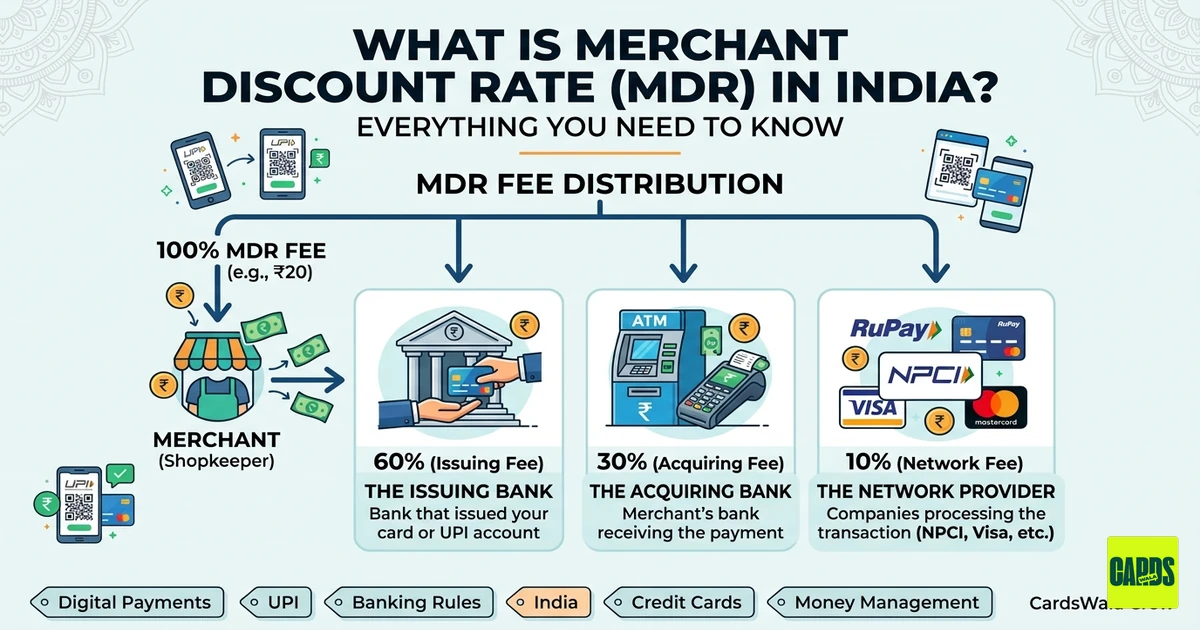
ಸರಳವಾಗಿ ಹೇಳುವುದಾದರೆ, MDR ಎಂಬುದು ಸೇವಾ ಶುಲ್ಕವಾಗಿದ್ದು, ಮರ್ಚೆಂಟ್ (ಅಂಗಡಿಯವರು) ಅವರು ಪ್ರಕ್ರಿಯೆಗೊಳಿಸುವ ಪ್ರತಿ ಡಿಜಿಟಲ್ ವಹಿವಾಟಿಗೆ ಬ್ಯಾಂಕ್ ಅಥವಾ ಪಾವತಿ ಸೇವಾ ಪೂರೈಕೆದಾರರಿಗೆ ಪಾವತಿಸುತ್ತಾರೆ. 💸
ಹಣವು ನಿಮ್ಮ ಬ್ಯಾಂಕ್ ಖಾತೆಯಿಂದ ಅವರಿಗೆ ತಕ್ಷಣ ಚಲಿಸಲು ಅನುವು ಮಾಡಿಕೊಡುವ ಮೂಲಸೌಕರ್ಯಕ್ಕಾಗಿ "ಅನುಕೂಲ ಶುಲ್ಕ" ಎಂದು ಯೋಚಿಸಿ. ಈ ಶುಲ್ಕವನ್ನು ಕೇವಲ ಒಬ್ಬ ವ್ಯಕ್ತಿಯಿಂದ ಇರಿಸಿಕೊಳ್ಳಲಾಗುವುದಿಲ್ಲ; ಇದನ್ನು ಮೂರು ಪ್ರಮುಖ ಆಟಗಾರರ ನಡುವೆ ಹಂಚಲಾಗುತ್ತದೆ:
- ನೀಡುವ ಬ್ಯಾಂಕ್: ನಿಮ್ಮ ಕಾರ್ಡ್ ಅಥವಾ UPI ಖಾತೆಯನ್ನು ನೀಡಿದ ಬ್ಯಾಂಕ್. 🏦
- ಪಡೆಯುವ ಬ್ಯಾಂಕ್: ಹಣವನ್ನು ಸ್ವೀಕರಿಸುವ ಮರ್ಚೆಂಟ್ನ ಬ್ಯಾಂಕ್. 🏧
- ನೆಟ್ವರ್ಕ್ ಪೂರೈಕೆದಾರ: ಮಾಸ್ಟರ್ಕಾರ್ಡ್, ವೀಸಾ ಅಥವಾ NPCI (ಇದು ರೂಪೇ ಮತ್ತು UPI ಅನ್ನು ನಡೆಸುತ್ತದೆ) ನಂತಹ ಕಂಪನಿಗಳು. 🌐
🧐 ವಾಸ್ತವವಾಗಿ MDR ಅನ್ನು ಯಾರು ಪಾವತಿಸುತ್ತಾರೆ?
ಗ್ರಾಹಕರು ಈ ಶುಲ್ಕವನ್ನು ಪಾವತಿಸುತ್ತಾರೆ ಎಂಬ ಸಾಮಾನ್ಯ ತಪ್ಪು ಕಲ್ಪನೆ ಇದೆ. ಸತ್ಯವೆಂದರೆ: ಮರ್ಚೆಂಟ್ MDR ಅನ್ನು ಪಾವತಿಸುತ್ತಾರೆ.
ನೀವು ಕ್ರೆಡಿಟ್ ಕಾರ್ಡ್ ಮೂಲಕ ₹1,000 ಪಾವತಿಸಿದಾಗ, ಅಂಗಡಿಯವರು ಕೇವಲ ₹980 ಅನ್ನು ಮಾತ್ರ ಸ್ವೀಕರಿಸಬಹುದು (MDR 2% ಆಗಿದ್ದರೆ). ₹20 ವ್ಯತ್ಯಾಸವು MDR ಆಗಿದ್ದು, ಮರ್ಚೆಂಟ್ ನಗದು ನಿರ್ವಹಿಸದ ಅನುಕೂಲಕ್ಕಾಗಿ ಮತ್ತು ಹೆಚ್ಚಿನ ಗ್ರಾಹಕರನ್ನು ಆಕರ್ಷಿಸಲು "ತ್ಯಾಗ" ಮಾಡುತ್ತಾರೆ.
📊 ಪಾವತಿ ವಿಧಾನದಿಂದ MDR ಶುಲ್ಕಗಳು (2026 ಅಪ್ಡೇಟ್)
| ಪಾವತಿ ವಿಧಾನ | 👤 ಯಾರು ಪಾವತಿಸುತ್ತಾರೆ? | 💰 ಪ್ರಸ್ತುತ MDR ಸ್ಥಿತಿ |
|---|---|---|
| UPI (ಬ್ಯಾಂಕ್-ಟು-ಬ್ಯಾಂಕ್) | ಯಾರೂ ಇಲ್ಲ | ಶೂನ್ಯ MDR. ಡಿಜಿಟಲ್ ಇಂಡಿಯಾವನ್ನು ಉತ್ತೇಜಿಸಲು ಸರ್ಕಾರವು ಇದನ್ನು ಕಡ್ಡಾಯಗೊಳಿಸುತ್ತದೆ. 🇮🇳 |
| UPI ಮೂಲಕ ವ್ಯಾಲೆಟ್ಗಳು (PPI) | ಮರ್ಚೆಂಟ್ | ದೊಡ್ಡ ಅಂಗಡಿಗಳಲ್ಲಿ ₹2,000 ಕ್ಕಿಂತ ಹೆಚ್ಚಿನ ವಹಿವಾಟುಗಳಿಗೆ 0.5% ರಿಂದ 1.1%. |
| ರೂಪೇ ಡೆಬಿಟ್ ಕಾರ್ಡ್ಗಳು | ಯಾರೂ ಇಲ್ಲ | ಹೆಚ್ಚಿನ ವಹಿವಾಟುಗಳಿಗೆ ಶೂನ್ಯ MDR (ಸರ್ಕಾರದಿಂದ ಸಬ್ಸಿಡಿ). |
| ವೀಸಾ/ಮಾಸ್ಟರ್ಕಾರ್ಡ್ ಡೆಬಿಟ್ | ಮರ್ಚೆಂಟ್ | ಸಾಮಾನ್ಯವಾಗಿ 0.4% ರಿಂದ 0.9% ನಡುವೆ ಕ್ಯಾಪ್ ಮಾಡಲಾಗಿದೆ. |
| ಕ್ರೆಡಿಟ್ ಕಾರ್ಡ್ಗಳು | ಮರ್ಚೆಂಟ್ | 1.5% ರಿಂದ 3.0% (ವ್ಯವಸ್ಥೆಯಲ್ಲಿ ಅತ್ಯಧಿಕ ಶುಲ್ಕ). 💳 |
⚠️ ಇದು ನಿಮಗೆ ಏಕೆ ಮುಖ್ಯ
1. "2% ಹೆಚ್ಚುವರಿ" ಹಗರಣ 🚫
ಕಾನೂನಿನ ಪ್ರಕಾರ, ಮರ್ಚೆಂಟ್ ಕಾರ್ಡ್ ಅಥವಾ UPI ಬಳಸಿದ್ದಕ್ಕಾಗಿ ನಿಮಗೆ ಹೆಚ್ಚುವರಿ ಶುಲ್ಕ ವಿಧಿಸಲು ಸಾಧ್ಯವಿಲ್ಲ. ಅಂಗಡಿಯವರು "ಕಾರ್ಡ್ಗೆ ನಾನು 2% ಹೆಚ್ಚುವರಿ ವಿಧಿಸುತ್ತೇನೆ" ಎಂದು ಹೇಳಿದರೆ, ಅವರು ತಾಂತ್ರಿಕವಾಗಿ ಬ್ಯಾಂಕ್ನೊಂದಿಗೆ ತಮ್ಮ ಒಪ್ಪಂದವನ್ನು ಉಲ್ಲಂಘಿಸುತ್ತಿದ್ದಾರೆ. ಆದಾಗ್ಯೂ, ಅನೇಕ ಸಣ್ಣ ಭಾರತೀಯ ಪಟ್ಟಣಗಳಲ್ಲಿ, ಮರ್ಚೆಂಟ್ಗಳು ತಮ್ಮ ತೆಳುವಾದ ಲಾಭದ ಅಂಚುಗಳನ್ನು ರಕ್ಷಿಸಲು ಈ ವೆಚ್ಚವನ್ನು ಗ್ರಾಹಕರಿಗೆ ವರ್ಗಾಯಿಸುತ್ತಾರೆ.
2. ಸಣ್ಣ ವ್ಯವಹಾರಗಳನ್ನು ಬೆಂಬಲಿಸುವುದು 🏪
ಸಣ್ಣ ವ್ಯಾಪಾರ ಮಾಲೀಕರಿಗೆ, 2% ಶುಲ್ಕವು ಅವರ ದೈನಂದಿನ ಗಳಿಕೆಯ ಗಮನಾರ್ಹ ಭಾಗವನ್ನು ತಿನ್ನಬಹುದು. ಅದಕ್ಕಾಗಿಯೇ ಭಾರತ ಸರ್ಕಾರವು UPI ಮತ್ತು ರೂಪೇಯನ್ನು ಶೂನ್ಯ MDR ನಲ್ಲಿ ಇರಿಸಲು ಹೋರಾಡಿದೆ - ಚಿಕ್ಕ ತೇಲಾ ಮಾಲೀಕರು ಸಹ ಹಣವನ್ನು ಕಳೆದುಕೊಳ್ಳದೆ ಡಿಜಿಟಲ್ ಆಗಬಹುದು ಎಂದು ಖಚಿತಪಡಿಸಿಕೊಳ್ಳಲು.
3. "ಉಚಿತ" UPI ಯ ಭವಿಷ್ಯ 🚀
ಮೇ 2026 ರ ಹೊತ್ತಿಗೆ, ಚರ್ಚೆಯು ಮುಂದುವರಿಯುತ್ತದೆ. UPI ನಮಗೆ ಉಚಿತವಾಗಿದ್ದರೂ, ವ್ಯವಸ್ಥೆಯನ್ನು ನಿರ್ವಹಿಸಲು ಬ್ಯಾಂಕ್ಗಳು ಮತ್ತು ಫಿನ್ಟೆಕ್ ಕಂಪನಿಗಳಿಗೆ ಗಮನಾರ್ಹ ಹಣ ವೆಚ್ಚವಾಗುತ್ತದೆ. ಹೆಚ್ಚಿನ-ಮೌಲ್ಯದ ವಹಿವಾಟುಗಳಿಗೆ (ಉದಾ., ₹10,000 ಕ್ಕಿಂತ ಹೆಚ್ಚು) ಸಣ್ಣ MDR ಅನ್ನು ಪರಿಚಯಿಸುವಾಗ ಅದನ್ನು ಸಾಮಾನ್ಯ ಜನರಿಗೆ ಉಚಿತವಾಗಿ ಇರಿಸುವ ಬಗ್ಗೆ ನಡೆಯುತ್ತಿರುವ ಚರ್ಚೆ ಇದೆ.
✅ ಸಾರಾಂಶ: ತ್ವರಿತ ಚೀಟ್ ಶೀಟ್
- ಗ್ರಾಹಕರು MDR ಪಾವತಿಸುತ್ತಾರೆಯೇ? ಇಲ್ಲ, ಅಂಗಡಿಯವರು ಪಾವತಿಸುತ್ತಾರೆ.
- UPI ಉಚಿತವೇ? ಹೌದು, ಪ್ರಮಾಣಿತ ವ್ಯಕ್ತಿ-ನಿಂದ-ಮರ್ಚೆಂಟ್ (P2M) ಬ್ಯಾಂಕ್ ವರ್ಗಾವಣೆಗಳಿಗೆ.
- ರೂಪೇ ವಿಶೇಷವೇ? ಹೌದು, ಇದು ವಿದೇಶಿ ಆಟಗಾರರಿಗೆ ಹೋಲಿಸಿದರೆ ಕಡಿಮೆ ಅಥವಾ ಶೂನ್ಯ MDR ಹೊಂದಿರುವ ಭಾರತದ ಸ್ವದೇಶಿ ನೆಟ್ವರ್ಕ್.
- ಅಂಗಡಿಯು ಡಿಜಿಟಲ್ ಪಾವತಿಯನ್ನು ನಿರಾಕರಿಸಬಹುದೇ? ಕಾನೂನುಬದ್ಧವಾಗಿ ಹೌದು, ಆದರೆ ಭಾರತದ "ನಗದುರಹಿತ ಆರ್ಥಿಕತೆ" ಪುಶ್ನೊಂದಿಗೆ, ಹೆಚ್ಚಿನವರು ವ್ಯವಹಾರಕ್ಕೆ ಅದನ್ನು ಸ್ವೀಕರಿಸುವುದು ಉತ್ತಮ ಎಂದು ಕಂಡುಕೊಳ್ಳುತ್ತಾರೆ.
💡 ಪ್ರೊ-ಟಿಪ್: ನಿಮ್ಮ ಸ್ಥಳೀಯ ಸಣ್ಣ ವ್ಯವಹಾರವನ್ನು ಬೆಂಬಲಿಸಲು ಬಯಸಿದರೆ, UPI ಅಥವಾ ರೂಪೇ ಡೆಬಿಟ್ ಕಾರ್ಡ್ಗಳನ್ನು ಬಳಸಿ. ಇದು ಮರ್ಚೆಂಟ್ ಯಾವುದೇ ಕಡಿತಗಳಿಲ್ಲದೆ ಪೂರ್ಣ ಮೊತ್ತವನ್ನು ಪಡೆಯುವುದನ್ನು ಖಚಿತಪಡಿಸುತ್ತದೆ!
UPI ಶಾಶ್ವತವಾಗಿ ಉಚಿತವಾಗಿ ಉಳಿಯಬೇಕೇ, ಅಥವಾ ಬಹಳ ದೊಡ್ಡ ವಹಿವಾಟುಗಳಿಗೆ ಸಣ್ಣ ಶುಲ್ಕವಿರಬೇಕೇ ಎಂದು ನೀವು ಭಾವಿಸುತ್ತೀರಾ? ಕೆಳಗೆ ಕಾಮೆಂಟ್ಗಳಲ್ಲಿ ನಿಮ್ಮ ಆಲೋಚನೆಗಳನ್ನು ನಮಗೆ ತಿಳಿಸಿ! 👇
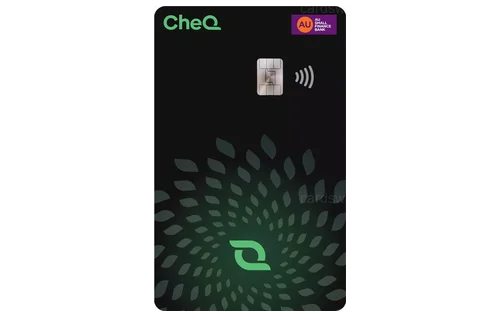
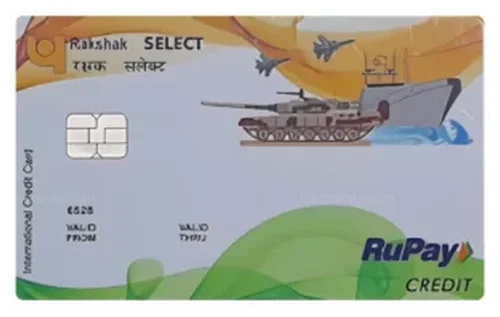
ಈ ಕಾರ್ಡ್ಗಳನ್ನು ನೋಡಿ
CardsWala Crew
ಕ್ರೆಡಿಟ್ ಕಾರ್ಡ್ ತಜ್ಞ ಮತ್ತು ಹಣಕಾಸು ಬರಹಗಾರ