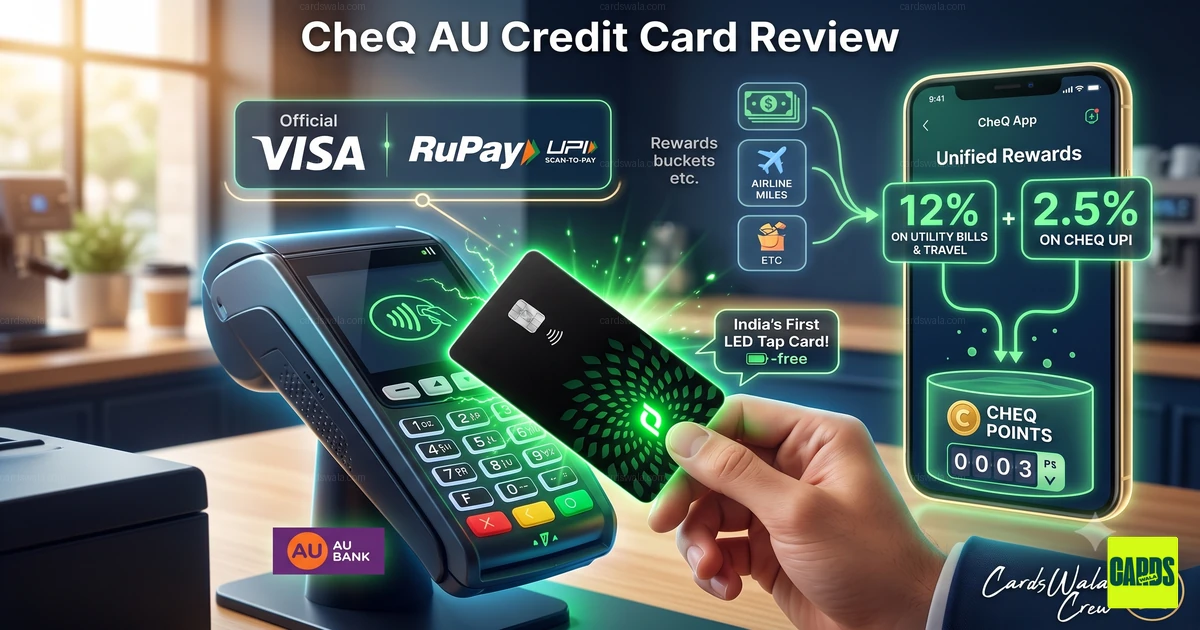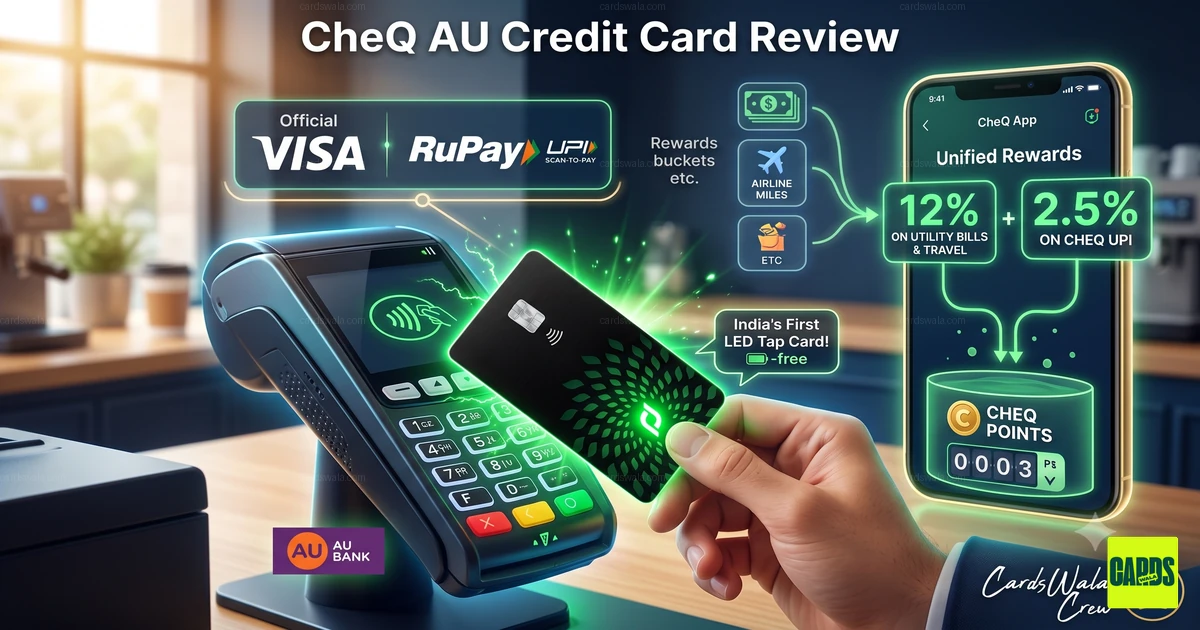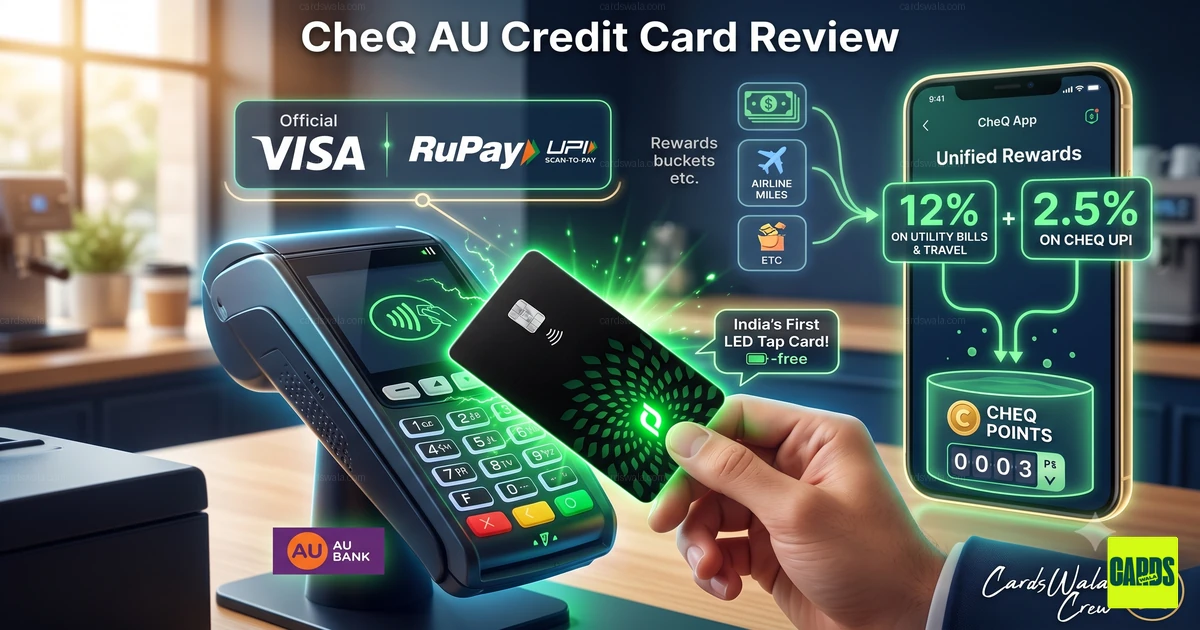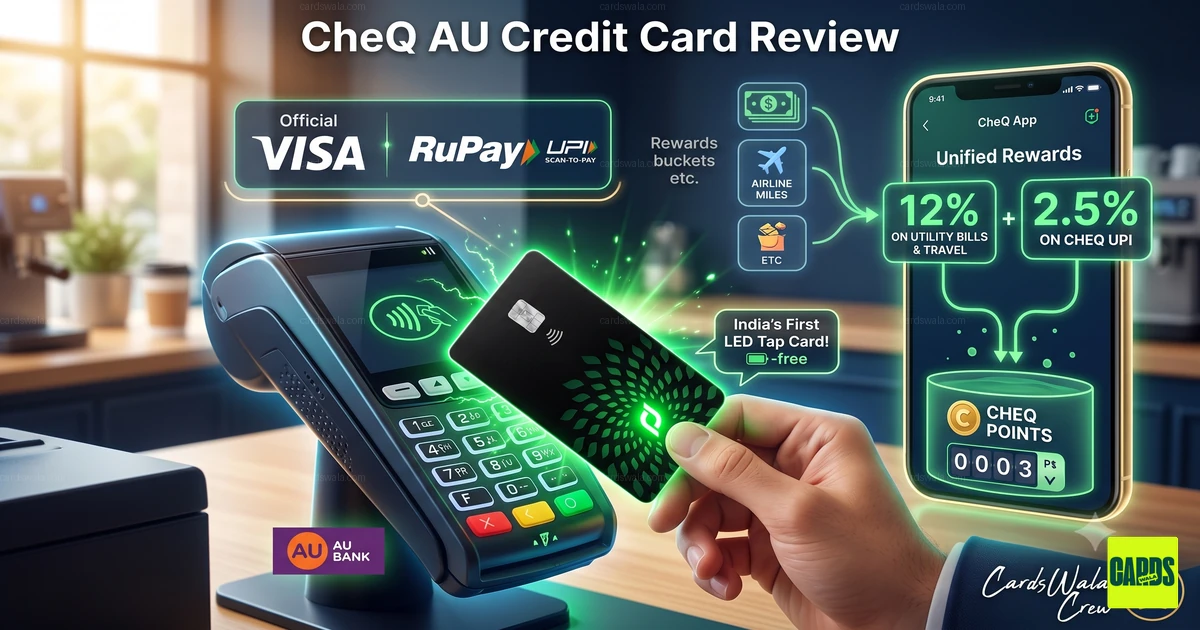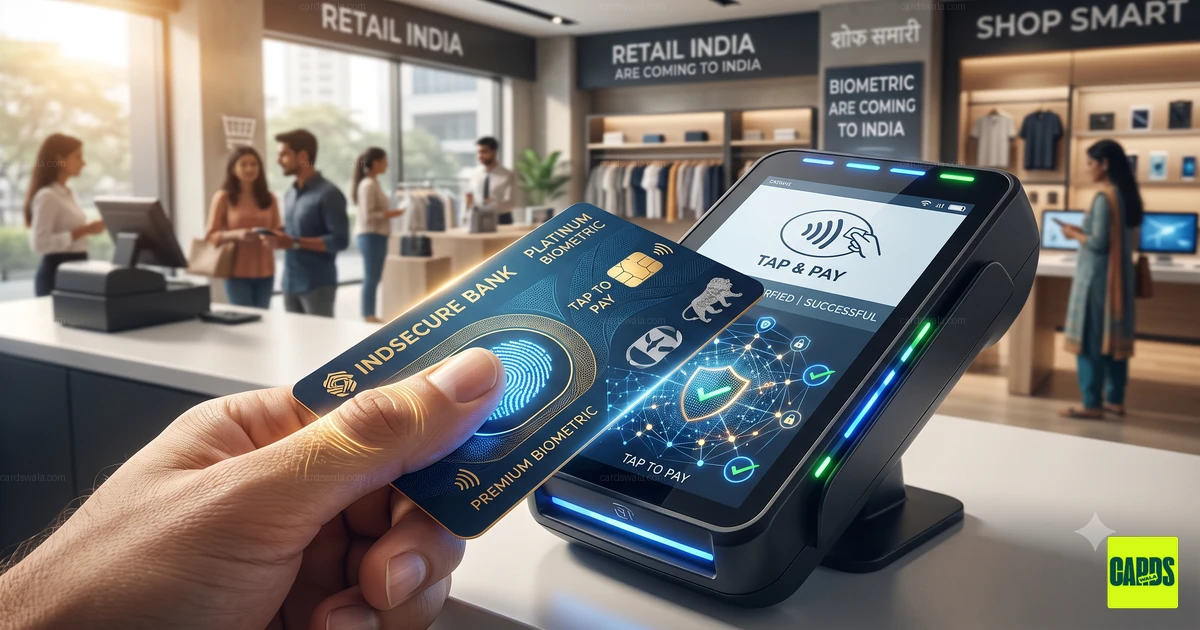
💸 ಬಯೋಮೆಟ್ರಿಕ್ ಕ್ರೆಡಿಟ್ ಕಾರ್ಡ್ಗಳು ಭಾರತಕ್ಕೆ ಬರುತ್ತಿವೆ: ನಿಮ್ಮ ವಂಚನೆ ಭದ್ರತೆಗೆ ಅವುಗಳ ಅರ್ಥವೇನು
ನಿಮ್ಮ ನೆಚ್ಚಿನ ಚಿಲ್ಲರೆ ಅಂಗಡಿಯಲ್ಲಿ ಚೆಕ್ಔಟ್ ಮಾಡುವುದು, ನಿಮ್ಮ ಕ್ರೆಡಿಟ್ ಕಾರ್ಡ್ ಅನ್ನು ಟ್ಯಾಪ್ ಮಾಡುವುದು ಮತ್ತು PIN ಅನ್ನು ಟೈಪ್ ಮಾಡದೆ ಅಥವಾ SMS OTP ಗಾಗಿ ಕಾಯದೆ ಹೊರನಡೆಯುವುದನ್ನು ಕಲ್ಪಿಸಿಕೊಳ್ಳಿ.
ಇದು ಭವಿಷ್ಯದ ಕನಸಿನಂತೆ ಧ್ವನಿಸುತ್ತದೆ, ಆದರೆ ಇದು ಭಾರತದ ಡಿಜಿಟಲ್ ಪಾವತಿ ಭೂದೃಶ್ಯದಲ್ಲಿ ವೇಗವಾಗಿ ಮಾನದಂಡವಾಗುತ್ತಿದೆ. ದುರ್ಬಲ SMS-ಆಧಾರಿತ OTP ಗಳಿಗಿಂತ ಸುಧಾರಿತ, ಅಪಾಯ-ಆಧಾರಿತ ದೃಢೀಕರಣಕ್ಕೆ ಒಲವು ತೋರುವ ಇತ್ತೀಚಿನ ರಿಸರ್ವ್ ಬ್ಯಾಂಕ್ ಆಫ್ ಇಂಡಿಯಾ (RBI) ನಿರ್ದೇಶನಗಳನ್ನು ಅನುಸರಿಸಿ, ಭಾರತೀಯ ಬ್ಯಾಂಕಿಂಗ್ ಪರಿಸರ ವ್ಯವಸ್ಥೆಯು ಬಯೋಮೆಟ್ರಿಕ್ ಕ್ರೆಡಿಟ್ ಕಾರ್ಡ್ಗಳ ಕಡೆಗೆ ಬದಲಾಗುತ್ತಿದೆ.
ಇತ್ತೀಚಿನ ವರ್ಷಗಳಲ್ಲಿ ಡಿಜಿಟಲ್ ಪಾವತಿ ವಂಚನೆಯು ಗಮನಾರ್ಹವಾಗಿ ಹೆಚ್ಚುತ್ತಿರುವುದರಿಂದ, ಈ ತಂತ್ರಜ್ಞಾನವು ಚಿಲ್ಲರೆ ಅನುಕೂಲತೆಯನ್ನು ಬುಲೆಟ್ಪ್ರೂಫ್ ಭದ್ರತೆಯೊಂದಿಗೆ ಹೇಗೆ ಸಮತೋಲನಗೊಳಿಸುತ್ತೇವೆ ಎಂಬುದನ್ನು ಮರು ವ್ಯಾಖ್ಯಾನಿಸಲು ಭರವಸೆ ನೀಡುತ್ತದೆ. ಮುಂಬರುವ ಬಯೋಮೆಟ್ರಿಕ್ ಕ್ರೆಡಿಟ್ ಕಾರ್ಡ್ ಅಲೆಯ ಬಗ್ಗೆ ಮತ್ತು ಅದು ನಿಮ್ಮ ಭದ್ರತಾ ಭೂದೃಶ್ಯವನ್ನು ಹೇಗೆ ಬದಲಾಯಿಸುತ್ತದೆ ಎಂಬುದರ ಬಗ್ಗೆ ನೀವು ತಿಳಿದುಕೊಳ್ಳಬೇಕಾದದ್ದು ಇಲ್ಲಿದೆ.
💳 ಬಯೋಮೆಟ್ರಿಕ್ ಕ್ರೆಡಿಟ್ ಕಾರ್ಡ್ ನಿಖರವಾಗಿ ಏನು?
ಮೊದಲ ನೋಟದಲ್ಲಿ, ಬಯೋಮೆಟ್ರಿಕ್ ಕ್ರೆಡಿಟ್ ಕಾರ್ಡ್ ಪ್ರಸ್ತುತ ನಿಮ್ಮ ವ್ಯಾಲೆಟ್ನಲ್ಲಿ ಕುಳಿತಿರುವ ನಯವಾದ ಪ್ಲಾಸ್ಟಿಕ್ ಅಥವಾ ಮೆಟಲ್ ಕಾರ್ಡ್ನಂತೆ ಕಾಣುತ್ತದೆ. ಆದಾಗ್ಯೂ, ಇದು ಒಂದು ಗೇಮ್-ಚೇಂಜಿಂಗ್ ಸೇರ್ಪಡೆಯನ್ನು ಹೊಂದಿದೆ: ಕಾರ್ಡ್ ದೇಹದಲ್ಲಿ ನೇರವಾಗಿ ನಿರ್ಮಿಸಲಾದ ಸಣ್ಣ, ಅಲ್ಟ್ರಾ-ತೆಳುವಾದ ಫಿಂಗರ್ಪ್ರಿಂಟ್ ಸೆನ್ಸರ್.
🔄 ವಹಿವಾಟು ಹೇಗೆ ಕೆಲಸ ಮಾಡುತ್ತದೆ
ಪಾಯಿಂಟ್-ಆಫ್-ಸೇಲ್ (POS) ಟರ್ಮಿನಲ್ನಲ್ಲಿ ಖರೀದಿ ಮಾಡುವಾಗ, ನೀವು ಎಂಬೆಡೆಡ್ ಸೆನ್ಸರ್ ಮೇಲೆ ನಿಮ್ಮ ಹೆಬ್ಬೆರಳು ಅಥವಾ ಬೆರಳನ್ನು ಹಿಡಿದುಕೊಂಡು ಕಾರ್ಡ್ ಅನ್ನು ಸರಳವಾಗಿ ಟ್ಯಾಪ್ ಮಾಡಿ ಅಥವಾ ಸೇರಿಸಿ.
- ⚡ ಪವರ್ ಅಪ್: ಟರ್ಮಿನಲ್ ಹೊರಸೂಸುವ ಶಕ್ತಿಯನ್ನು ಬಳಸಿಕೊಂಡು ಕಾರ್ಡ್ನ ಆಂತರಿಕ ಚಿಪ್ ಪವರ್ ಅಪ್ ಆಗುತ್ತದೆ.
- 🔍 ಸ್ಕ್ಯಾನ್: ಕಾರ್ಡ್ ನಿಮ್ಮ ಫಿಂಗರ್ಪ್ರಿಂಟ್ ಅನ್ನು ಓದುತ್ತದೆ ಮತ್ತು ಅದನ್ನು ಮೊದಲೇ ಸಂಗ್ರಹಿಸಿದ, ಹೆಚ್ಚು ಎನ್ಕ್ರಿಪ್ಟ್ ಮಾಡಿದ ರೆಫರೆನ್ಸ್ ಟೆಂಪ್ಲೇಟ್ಗೆ ಹೋಲಿಸುತ್ತದೆ.
- ✅ ಅನುಮೋದಿಸಿ: ಅದು ಹೊಂದಿಕೆಯಾದರೆ, ವಹಿವಾಟು ತಕ್ಷಣ ಅಧಿಕೃತಗೊಳ್ಳುತ್ತದೆ.
- 🛑 PIN ಇಲ್ಲ: ಸಾಂಪ್ರದಾಯಿಕವಾಗಿ ಪಾಸ್ಕೋಡ್ ಅಗತ್ಯವಿರುವ ಹೆಚ್ಚಿನ-ಮೌಲ್ಯದ ವಹಿವಾಟುಗಳಿಗೆ ಸಹ PIN ನಮೂದು ಅಗತ್ಯವಿಲ್ಲ.
🔒 ದೊಡ್ಡ ಪ್ರಶ್ನೆ: ನಿಮ್ಮ ಬಯೋಮೆಟ್ರಿಕ್ ಡೇಟಾ ಎಲ್ಲಿಗೆ ಹೋಗುತ್ತದೆ?
ಈ ತಂತ್ರಜ್ಞಾನದೊಂದಿಗೆ ಅತ್ಯಂತ ಸಾಮಾನ್ಯ ಕಾಳಜಿ ಗೌಪ್ಯತೆ: ಬ್ಯಾಂಕ್ ಅಥವಾ ಮರ್ಚೆಂಟ್ ನನ್ನ ಫಿಂಗರ್ಪ್ರಿಂಟ್ ಅನ್ನು ಸಂಗ್ರಹಿಸುತ್ತಿದೆಯೇ? ಹ್ಯಾಕರ್ಗಳು ನನ್ನ ಬಯೋಮೆಟ್ರಿಕ್ ಪ್ರೊಫೈಲ್ ಅನ್ನು ಕದಿಯಬಹುದೇ?
ಸಂಕ್ಷಿಪ್ತ ಉತ್ತರ ಇಲ್ಲ. ಸಂಪೂರ್ಣ ಚೌಕಟ್ಟು ಆನ್-ಚಿಪ್ ಮ್ಯಾಚಿಂಗ್ ಅನ್ನು ಅವಲಂಬಿಸಿದೆ.
- ಸ್ಥಳೀಯ ಪ್ರತ್ಯೇಕತೆ: ನಿಮ್ಮ ನಿಜವಾದ ಫಿಂಗರ್ಪ್ರಿಂಟ್ ಚಿತ್ರವನ್ನು ಎಂದಿಗೂ ಉಳಿಸಲಾಗುವುದಿಲ್ಲ. ನಿಮ್ಮ ಆರಂಭಿಕ ನೋಂದಣಿಯ ಸಮಯದಲ್ಲಿ (NFC ಬಳಸಿ ಸುರಕ್ಷಿತ ಬ್ಯಾಂಕಿಂಗ್ ಅಪ್ಲಿಕೇಶನ್ ಮೂಲಕ ಅಥವಾ ಶಾಖೆಯಲ್ಲಿ ಮಾಡಲಾಗುತ್ತದೆ), ನಿಮ್ಮ ಫಿಂಗರ್ಪ್ರಿಂಟ್ ಅನ್ನು ಎನ್ಕ್ರಿಪ್ಟ್ ಮಾಡಿದ ಗಣಿತದ ಮ್ಯಾಟ್ರಿಕ್ಸ್ ಆಗಿ ಪರಿವರ್ತಿಸಲಾಗುತ್ತದೆ.
- ಶೂನ್ಯ ಪ್ರಸರಣ: ಈ ಮ್ಯಾಟ್ರಿಕ್ಸ್ ಅನ್ನು ಕಾರ್ಡ್ನ ಪ್ರತ್ಯೇಕ ಸೆಕ್ಯೂರ್ ಎಲಿಮೆಂಟ್ ಒಳಗೆ ಶಾಶ್ವತವಾಗಿ ಸಂಗ್ರಹಿಸಲಾಗುತ್ತದೆ. ನೀವು ವಹಿವಾಟು ಮಾಡಿದಾಗ, ಹೋಲಿಕೆಯು ಸಂಪೂರ್ಣವಾಗಿ ಭೌತಿಕ ಕಾರ್ಡ್ನಲ್ಲಿ ನಡೆಯುತ್ತದೆ. ಯಾವುದೇ ಬಯೋಮೆಟ್ರಿಕ್ ಡೇಟಾ ಎಂದಿಗೂ ಕಾರ್ಡ್ ಅನ್ನು ಬಿಡುವುದಿಲ್ಲ, ಅಂದರೆ ಅದು ಎಂದಿಗೂ ಮರ್ಚೆಂಟ್ನ POS ಟರ್ಮಿನಲ್, ಪಾವತಿ ನೆಟ್ವರ್ಕ್ಗಳು ಅಥವಾ ಬ್ಯಾಂಕ್ನ ಬಾಹ್ಯ ಸರ್ವರ್ಗಳಿಗೆ ರವಾನೆಯಾಗುವುದಿಲ್ಲ.
🛑 ಇದು ವಂಚನೆ ತಂತ್ರಗಳನ್ನು ಹೇಗೆ ಮುಚ್ಚುತ್ತದೆ
ಸಾಂಪ್ರದಾಯಿಕ ಕ್ರೆಡಿಟ್ ಕಾರ್ಡ್ಗಳು "ನೀವು ಹೊಂದಿರುವುದು" (ಕಾರ್ಡ್) ಮತ್ತು "ನಿಮಗೆ ತಿಳಿದಿರುವುದು" (PIN) ಅಥವಾ "ನೀವು ಸ್ವೀಕರಿಸುವುದು" (OTP) ಅನ್ನು ಅವಲಂಬಿಸಿವೆ. ವಂಚಕರು ನಂತರದ ಎರಡನ್ನು ತಡೆಹಿಡಿಯುವಲ್ಲಿ ಹೆಚ್ಚು ದಕ್ಷರಾಗಿದ್ದಾರೆ. ಬಯೋಮೆಟ್ರಿಕ್ಸ್ ಆಟದ ಮೈದಾನವನ್ನು ಮೂಲಭೂತವಾಗಿ ಬದಲಾಯಿಸುತ್ತದೆ:
1. ಕಳೆದುಹೋದ ಅಥವಾ ಕದ್ದ ಕಾರ್ಡ್ ದುರ್ಬಳಕೆಯನ್ನು ತೊಡೆದುಹಾಕುವುದು 🚫
ನಿಮ್ಮ ಸಾಂಪ್ರದಾಯಿಕ ಕ್ರೆಡಿಟ್ ಕಾರ್ಡ್ ಅನ್ನು ನೀವು ತಪ್ಪಾಗಿ ಇರಿಸಿದರೆ, ಕೆಟ್ಟ ನಟರು ನೀವು ಗಮನಿಸಿ ಅದನ್ನು ಬ್ಲಾಕ್ ಮಾಡುವ ಮೊದಲು ಸಣ್ಣ ಖರೀದಿಗಳನ್ನು ಮಾಡಲು ಕಾಂಟ್ಯಾಕ್ಟ್ಲೆಸ್ ಮಿತಿಗಳನ್ನು ತ್ವರಿತವಾಗಿ ಬಳಸಿಕೊಳ್ಳಬಹುದು. ಬಯೋಮೆಟ್ರಿಕ್ ಕ್ರೆಡಿಟ್ ಕಾರ್ಡ್ನೊಂದಿಗೆ, ಸೆನ್ಸರ್ ವಿರುದ್ಧ ನಿಮ್ಮ ಲೈವ್ ಬೆರಳು ಒತ್ತದೆ ಭೌತಿಕ ಕಾರ್ಡ್ ನಿಷ್ಪ್ರಯೋಜಕ ಪ್ಲಾಸ್ಟಿಕ್ ತುಂಡುಗಳು.
2. "ಶೋಲ್ಡರ್ ಸರ್ಫಿಂಗ್" ಮತ್ತು ಸ್ಕಿಮ್ಮಿಂಗ್ ಅನ್ನು ಸೋಲಿಸುವುದು 🕵️♂️
ನೀವು ಕಾರ್ಯನಿರತ ಸೂಪರ್ಮಾರ್ಕೆಟ್ ಅಥವಾ ಇಂಧನ ನಿಲ್ದಾಣದಲ್ಲಿ ನಿಮ್ಮ 4-ಅಂಕಿಯ PIN ಅನ್ನು ಟೈಪ್ ಮಾಡಿದಾಗ, "ಶೋಲ್ಡರ್ ಸರ್ಫರ್ಗಳು" ಅದನ್ನು ನೆನಪಿಟ್ಟುಕೊಳ್ಳುವ ಅಥವಾ ಗುಪ್ತ ಕ್ಯಾಮೆರಾಗಳು ನಿಮ್ಮ ಕೀಸ್ಟ್ರೋಕ್ಗಳನ್ನು ಹಿಡಿಯುವ ಅಪಾಯವಿದೆ. ಬಯೋಮೆಟ್ರಿಕ್ಸ್ ದೃಶ್ಯ ವೆಕ್ಟರ್ ಅನ್ನು ಸಂಪೂರ್ಣವಾಗಿ ತೊಡೆದುಹಾಕುತ್ತದೆ. ಇದಲ್ಲದೆ, ಹೆಚ್ಚು ಅತ್ಯಾಧುನಿಕ ಸ್ಕಿಮ್ಮರ್ ಡಿಜಿಟಲ್ ಕಾರ್ಡ್ ಡೇಟಾವನ್ನು ಕ್ಲೋನ್ ಮಾಡಿದರೂ, ನಿಮ್ಮ ಯಶಸ್ವಿ ಫಿಂಗರ್ಪ್ರಿಂಟ್ ಹೊಂದಾಣಿಕೆಯಿಂದ ಮಾತ್ರ ಪ್ರಚೋದಿಸಲ್ಪಡುವ ಅಗತ್ಯವಾದ ಕ್ರಿಪ್ಟೋಗ್ರಾಫಿಕ್ ಪರಿಶೀಲನಾ ಟೋಕನ್ ಅನ್ನು ಅವರು ಪುನರಾವರ್ತಿಸಲು ಸಾಧ್ಯವಿಲ್ಲ.
3. SMS OTP ಗಳ ದುರ್ಬಲತೆಯನ್ನು ಬೈಪಾಸ್ ಮಾಡುವುದು 📱
ಭಾರತವು SIM-ಸ್ವ್ಯಾಪಿಂಗ್, ಫಿಶಿಂಗ್ ಸೈಟ್ಗಳು ಮತ್ತು ಬಲಿಪಶುಗಳನ್ನು ತಮ್ಮ ಒನ್-ಟೈಮ್ ಪಾಸ್ವರ್ಡ್ಗಳನ್ನು (OTPಗಳು) ಹಂಚಿಕೊಳ್ಳಲು ಮೋಸಗೊಳಿಸುವ ಸೋಷಿಯಲ್ ಎಂಜಿನಿಯರಿಂಗ್ ಹಗರಣಗಳನ್ನು ಒಳಗೊಂಡ ಡಿಜಿಟಲ್ ವಂಚನೆಯಲ್ಲಿ ತೀಕ್ಷ್ಣ ಏರಿಕೆಯನ್ನು ಕಂಡಿದೆ. ಬಯೋಮೆಟ್ರಿಕ್ ವಹಿವಾಟು ಭೌತಿಕ, ಸಾಧನ-ಬದ್ಧ ಜೈವಿಕ ಪುರಾವೆಯನ್ನು ಅವಲಂಬಿಸಿರುವುದರಿಂದ, ಇದು ಸುಲಭವಾಗಿ ರಾಜಿಯಾಗುವ ಸೆಲ್ಯುಲಾರ್ ನೆಟ್ವರ್ಕ್ ಅನ್ನು ಸಂಪೂರ್ಣವಾಗಿ ಬೈಪಾಸ್ ಮಾಡುತ್ತದೆ.
🚀 ಭಾರತೀಯ ಗ್ರಾಹಕರಿಗೆ ಮುಂದಿನ ರಸ್ತೆ
ಆಕ್ಸಿಸ್ ಬ್ಯಾಂಕ್, ಫ್ಲಿಪ್ಕಾರ್ಟ್ ಮತ್ತು PayU ನಂತಹ ಟೆಕ್-ಕೇಂದ್ರಿತ ಮೈತ್ರಿಗಳು ಈಗಾಗಲೇ ಆನ್ಲೈನ್ ಶಾಪಿಂಗ್ಗಾಗಿ ಸಾಧನ-ಬದ್ಧ ಬಯೋಮೆಟ್ರಿಕ್ ಚೆಕ್ಔಟ್ಗಳನ್ನು ಪ್ರವರ್ತನೆ ಮಾಡಲು ಪ್ರಾರಂಭಿಸಿದ್ದರೂ, ಭೌತಿಕ ಬಯೋಮೆಟ್ರಿಕ್ ಪಾವತಿ ಕಾರ್ಡ್ಗಳ ಆಗಮನವು ಭದ್ರತಾ ವಿಕಾಸದ ಮುಂದಿನ ಹಂತವನ್ನು ಪ್ರತಿನಿಧಿಸುತ್ತದೆ.
ಪರಿವರ್ತನೆಯು ರಾತ್ರೋರಾತ್ರಿ ನಡೆಯುವುದಿಲ್ಲ. ಈ ಕಾರ್ಡ್ಗಳು ಶಕ್ತಿ-ಕೊಯ್ಲು ಚಿಪ್ಗಳು ಮತ್ತು ಮೈಕ್ರೋ-ಸೆನ್ಸರ್ಗಳು ಸೇರಿದಂತೆ ಸಂಕೀರ್ಣ ಹಾರ್ಡ್ವೇರ್ ಅನ್ನು ಒಳಗೊಂಡಿರುವುದರಿಂದ, ಅವು ಪ್ರಮಾಣಿತ ಪ್ಲಾಸ್ಟಿಕ್ಗಿಂತ ಉತ್ಪಾದಿಸಲು ಹೆಚ್ಚು ವೆಚ್ಚವಾಗುತ್ತವೆ. ಆರ್ಥಿಕತೆಯ ಪ್ರಮಾಣದ ಉತ್ಪಾದನೆಯು ಎಲ್ಲರಿಗೂ ಸ್ಟ್ಯಾಂಡರ್ಡ್ ಇಶ್ಯೂ ಮಾಡುವ ಮೊದಲು ಬ್ಯಾಂಕ್ಗಳು ಅವುಗಳನ್ನು ಮೊದಲು ಪ್ರೀಮಿಯಂ ಕಾರ್ಡ್ದಾರರಿಗೆ ಹೊರತರುವ ಸಾಧ್ಯತೆಯಿದೆ.
ಆದಾಗ್ಯೂ, ಗ್ರಾಹಕರು ಮತ್ತು ಮರ್ಚೆಂಟ್ಗಳಿಗೆ ಅತ್ಯುತ್ತಮ ಭಾಗವೆಂದರೆ ಹೊಂದಾಣಿಕೆ. ಅಂಗಡಿಗಳು ತಮ್ಮ ಚೆಕ್ಔಟ್ ಹಾರ್ಡ್ವೇರ್ ಅನ್ನು ಅಪ್ಗ್ರೇಡ್ ಮಾಡಲು ನೀವು ಕಾಯಬೇಕಾಗಿಲ್ಲ. ಬಯೋಮೆಟ್ರಿಕ್ ಪರಿಶೀಲನೆಯು ಸಂಪೂರ್ಣವಾಗಿ ಕಾರ್ಡ್ನೊಳಗೆ ನಡೆಯುವುದರಿಂದ, ಇದು ಭಾರತದಾದ್ಯಂತ ಈಗಾಗಲೇ ಸರ್ವತ್ರವಾಗಿರುವ ಸ್ಟ್ಯಾಂಡರ್ಡ್ EMV ಕಾಂಟ್ಯಾಕ್ಟ್ಲೆಸ್ POS ಮೆಷಿನ್ಗಳೊಂದಿಗೆ ತಡೆರಹಿತವಾಗಿ ಕೆಲಸ ಮಾಡುತ್ತದೆ.
ನಿಮ್ಮ ವಿಶಿಷ್ಟ ಜೀವಶಾಸ್ತ್ರವನ್ನು ನಿಮ್ಮ ಅಂತಿಮ ಭದ್ರತಾ ಕೀ ಆಗಿ ಪರಿವರ್ತಿಸುವ ಮೂಲಕ, ಬಯೋಮೆಟ್ರಿಕ್ ಕ್ರೆಡಿಟ್ ಕಾರ್ಡ್ಗಳ ಮುಂಬರುವ ಅಲೆಯು ವಸ್ತುಗಳಿಗೆ ಪಾವತಿಸುವುದು ವೇಗ, ಸರಳ ಮತ್ತು ಆಳವಾಗಿ ಹೆಚ್ಚು ಸುರಕ್ಷಿತವಾಗಿರುವ ಭವಿಷ್ಯವನ್ನು ಭರವಸೆ ನೀಡುತ್ತದೆ.
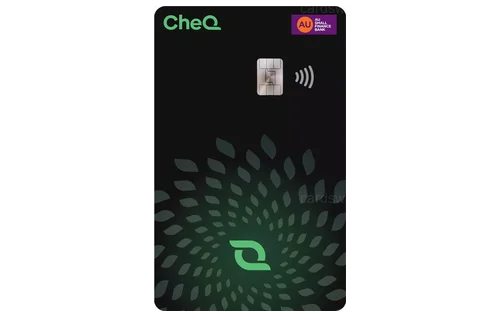
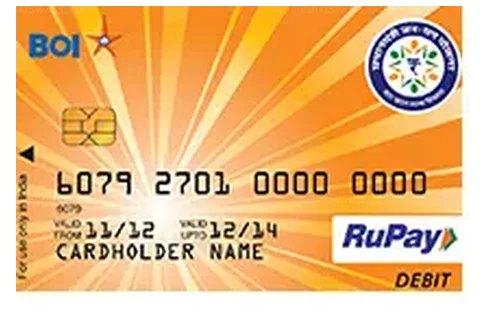
ಈ ಕಾರ್ಡ್ಗಳನ್ನು ನೋಡಿ
CardsWala Crew
ಕ್ರೆಡಿಟ್ ಕಾರ್ಡ್ ತಜ್ಞ ಮತ್ತು ಹಣಕಾಸು ಬರಹಗಾರ