American Express Platinum Charge Card VS Citibank Prestige Credit Card
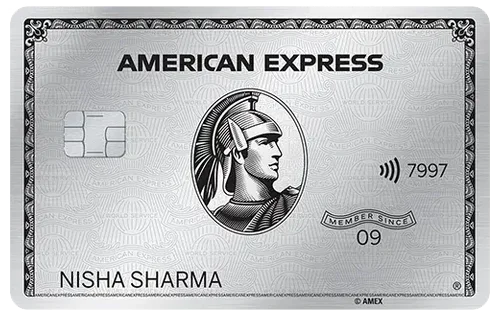
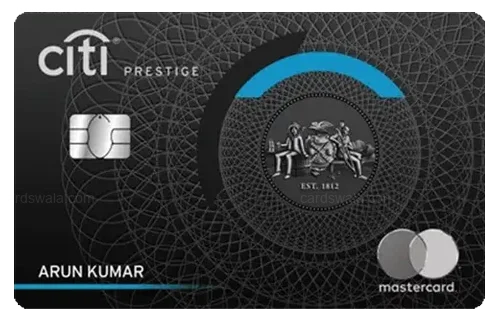
Both American Express Platinum Charge Card and Citibank Prestige Credit Card suit travel-focused spenders, but they earn and cost differently. American Express Platinum Charge Card costs ₹66,000 + GST and earns 1 MR Point for every ₹40 domestic spend; 3X MR Points on international spends; up to 20X on luxury brands. Citibank Prestige Credit Card costs ₹20,000 + GST and earns 1 Reward Point for every Rs. 100 on domestic spends. 2 Reward Points for every Rs. 100 on international spends. American Express Platinum Charge Card also brings unlimited complimentary access to partner lounges in India via American Express Global Lounge Collection®, while Citibank Prestige Credit Card counters with unlimited complimentary airport lounge access in India via Priority Pass for primary & add-on cardholders. If dining spending matters more, go with American Express Platinum Charge Card; if premium is the priority, Citibank Prestige Credit Card fits better.
Fees & Charges
Rewards & Benefits
Travel & Lifestyle
Security & Other
American Express Platinum Charge Card
Citibank Prestige Credit Card
Who is it for?
Who is it for?
Pros
Key benefits and features.
Unparalleled global lounge access to over 1,550 airports worldwide.
No preset credit limit provides exceptional spending power and flexibility.
Fast-track elite status with top hotel chains like Marriott, Hilton, and Taj.
Generous welcome benefits including vouchers worth ₹60,000 from luxury brands.
Dedicated 24x7 global concierge service for personalized assistance.
Pros
Key benefits and features.
Exceptional 1:4 reward point to AirMiles conversion for frequent flyers.
Unlimited complimentary lounge access globally for primary and add-on cardholders.
Valuable welcome and annual benefits including Rs. 10,000 hotel vouchers.
Complimentary extra night stay at hotels worldwide on minimum 4-night bookings.
Comprehensive insurance coverage and exclusive golf privileges enhance lifestyle.
Cons
Key drawbacks and limitations.
Extremely high joining and annual fees of ₹66,000 plus applicable taxes.
No spend-based waiver available for the substantial annual renewal fee.
Reward points earning is excluded for utility bill payments and insurance transactions.
High foreign currency markup of 3.5% on international transactions.
Fuel surcharge waiver is limited and not comprehensive across all stations.
Cons
Key drawbacks and limitations.
High joining and annual fees of Rs. 20,000 + GST make it a premium card.
No spend-based waiver for the annual fee, requiring consistent payment.
Significant foreign currency markup of 3.5% plus taxes on international spends.
High annual interest rate of 45% if balances are not paid in full.
Reward points are not earned on utilities, insurance, and government spends.