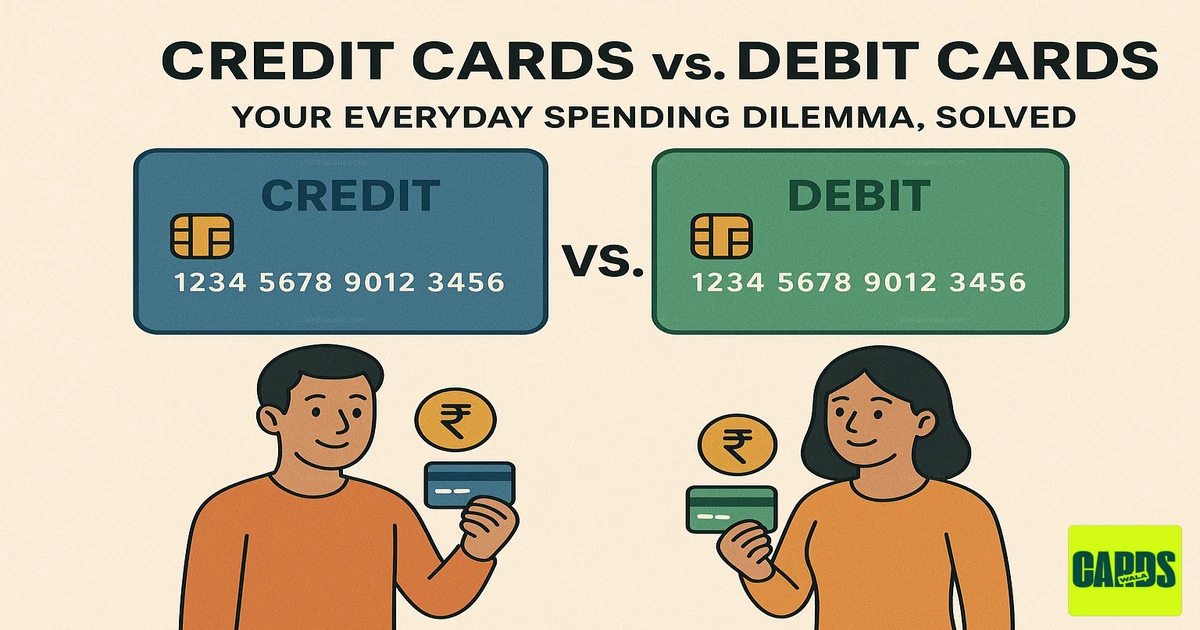
Credit Cards vs. Debit Cards: Your Everyday Spending Dilemma, Solved
In today’s fast-paced, digital-first world, cash has taken a backseat. Whether it’s a quick coffee run, online shopping spree, or monthly grocery haul, most people now rely on cards or even mobile wallets for transactions. But the big question remains: when it comes to everyday spending, should you swipe your credit card or stick to your debit card?
The truth is, there’s no universal answer. Each option has its strengths and weaknesses, and the better choice depends on your financial habits, goals, and discipline. Let’s break down both sides so you can decide what works best for you.
The Debit Card: Simplicity and Control
A debit card is directly connected to your bank account, meaning money gets deducted instantly whenever you make a purchase. It’s your money, being spent in real time.
Why Debit Cards Work Well:
- Budget-Friendly: You can only spend what’s available in your account, making it easier to avoid overspending.
- No Debt or Interest: Since you aren’t borrowing, there are no interest charges or credit card bills to worry about.
- Easy Access: Almost every bank account comes with a debit card, giving you quick access to your funds.
Where Debit Cards Fall Short:
- Weaker Fraud Protection: Fraudulent transactions directly impact your bank balance, and resolving disputes can take time.
- No Credit Score Boost: Debit usage doesn’t build your credit history, which is vital for loans and future financial products.
- Minimal Rewards: Perks like cashback, discounts, or travel points are rare on debit cards.
The Credit Card: Power and Perks
A credit card lets you borrow money from the bank up to a limit and pay later. Used wisely, it can be a powerful tool for building financial health and unlocking rewards.
Why Credit Cards Shine:
- Strong Fraud Protection: Your personal funds remain untouched during disputes, with most cards offering zero-liability policies.
- Credit Building: Timely payments help build your credit history, essential for loans, mortgages, and financial credibility.
- Attractive Rewards: Cashback, travel miles, shopping discounts, lounge access, and other perks make credit cards appealing.
- Emergency Cushion: Handy for large or unexpected expenses that you can repay in installments.
The Pitfalls of Credit Cards:
- Overspending Risks: The ease of "buy now, pay later" can lead to financial trouble if not controlled.
- High-Interest Costs: Carrying a balance can result in hefty interest charges that outweigh rewards.
- Fees and Charges: Annual fees, late payment penalties, and hidden charges can add up.
So, Which Card Should You Use?
- Go with Debit if you want strict control over spending, avoid debt, or are new to managing money.
- Choose Credit if you’re disciplined with payments, want to build credit, or maximize rewards and fraud protection.
The Smart Hybrid Approach
For many, the best solution lies in balance. Use your credit card for planned daily expenses like groceries, fuel, and online shopping to earn rewards and get extra protection. Then, switch to your debit card for ATM withdrawals or when you want to keep spending in check.
Final Thoughts
Both credit and debit cards have a role to play in everyday spending. The key is knowing when to use each, aligning them with your financial habits, and avoiding common pitfalls. By being mindful, you can enjoy the perks of modern cashless living without the stress of debt or missed opportunities.
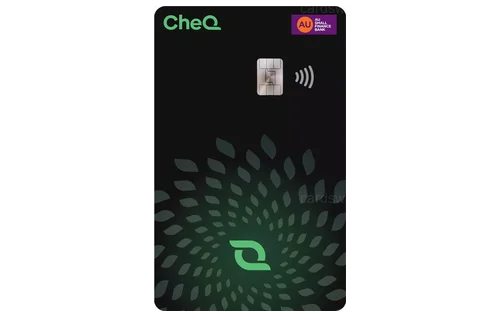
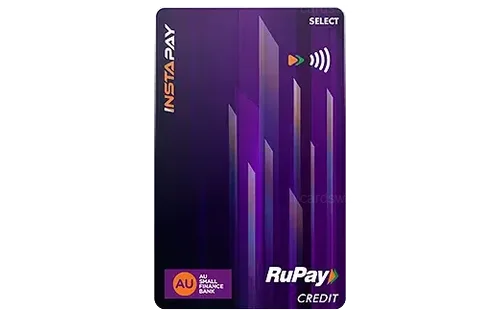
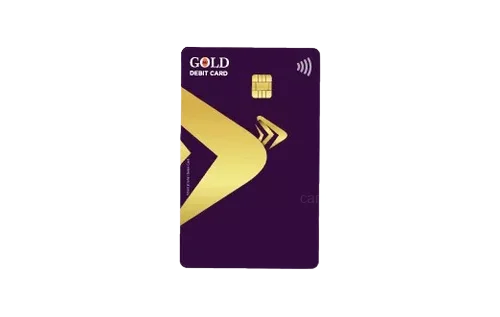
Check Out These Cards

CardsWala Crew
Credit Card Expert & Financial Writer