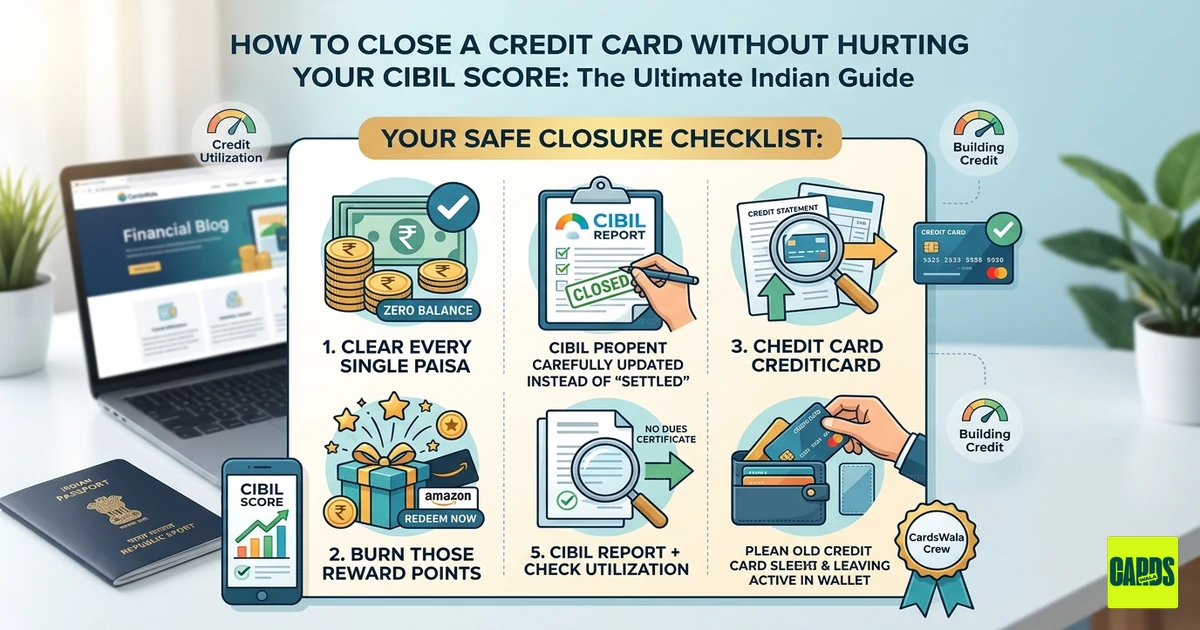
💳 உங்கள் சிபில் ஸ்கோரை பாதிக்காமல் கிரெடிட் கார்டை எப்படி மூடுவது: அல்டிமேட் இந்திய வழிகாட்டி
இந்தியாவில் கிரெடிட் கார்டை மூடுவது பெரும்பாலும் ஒரு பிரிவு போலவே நடத்தப்படுகிறது—அது உணர்ச்சிமிக்கது, சற்று மன அழுத்தம் தரக்கூடியது, மேலும் சரியாக கையாளவில்லை என்றால் உங்கள் நிதி நற்பெயரை நீண்ட காலம் வேட்டையாடும். இந்திய வங்கி உலகில் உங்கள் சிபில் ஸ்கோர் தான் உங்களுடைய மிக மதிப்புமிக்க சொத்து.
உங்கள் பணப்பையை சுத்தப்படுத்தவோ அல்லது அந்த தொந்தரவு தரும் ஆண்டுக் கட்டணங்களை தவிர்க்கவோ நினைக்கிறீர்களா? கிரெடிட் ஸ்கோர் நாடகம் இல்லாமல் விடை சொல்வதற்கான ஸ்மார்ட் வழி இதோ. 📉✅
🧐 கார்டை மூடுவது உங்கள் சிபில் ஸ்கோரை ஏன் பாதிக்கிறது?
"ரத்து" பொத்தானை அழுத்துவதற்கு முன், இதன் செயல்பாட்டை புரிந்துகொள்ள வேண்டும். ஒரு கணக்கை மூடுவது உங்கள் கிரெடிட் ஆரோக்கியத்தின் இரண்டு முக்கிய தூண்களை பாதிக்கிறது:
- கிரெடிட் யூட்டிலைசேஷன் ரேஷியோ (CUR): உங்கள் மூன்று கார்டுகளின் மொத்த வரம்பு ₹5 லட்சம் இருந்து, ₹2 லட்சம் வரம்புள்ள ஒரு கார்டை மூடினால், உங்களுக்கு கிடைக்கக்கூடிய கிரெடிட் ₹3 லட்சமாக குறையும். உங்கள் செலவு அப்படியே இருந்தால், உங்கள் CUR திடீரென உயர்ந்துவிடும். 📈
- கிரெடிட்டின் சராசரி வயது: சிபிலுக்கு நீண்டகால உறவுகள் பிடிக்கும். உங்கள் மிகப் பழைய கார்டை மூடுவது உங்கள் கிரெடிட் வரலாற்றை சுருக்கிவிடும், இதனால் கடன் வழங்குநர்களுக்கு நீங்கள் "புதியவர்" போல தெரிவீர்கள். 👶
🛠️ "பாதுகாப்பான" வெளியேற்றத்திற்கான படிப்படியான வழிகாட்டி
1. ஒவ்வொரு பைசாவையும் முழுமையாக செலுத்துங்கள் 💸
இது எளிதாக ஒலித்தாலும், நிலுவையில் உள்ள ₹50 தாமதக் கட்டணம் அல்லது ஒரு மறந்துபோன GST கட்டணம் கூட உங்கள் கோரிக்கை நிராகரிக்கப்பட காரணமாகலாம்.
- பில் ஆகாத பரிவர்த்தனைகளை சரிபார்க்கவும்: "நிலுவையில்" இருக்கும் பணம் எதுவும் மறைந்திருக்கவில்லை என்பதை உறுதி செய்யுங்கள்.
- Auto-pay ஐ ரத்து செய்யுங்கள்: உங்கள் Netflix, LIC பிரீமியம் அல்லது மின்கட்டண/நீர்க்கட்டண பில்களை முதலில் வேறொரு கார்டுக்கு மாற்றுங்கள்.
2. அந்த ரிவார்ட் பாயிண்ட்களை பயன்படுத்திவிடுங்கள் 🎁
கணக்கு மூடப்பட்டதும் அந்த பாயிண்ட்கள் காற்றில் மறைந்துவிடும்.
- இப்போதே ரிடீம் செய்யுங்கள்: அது விமான மைல்களாக இருந்தாலும், Amazon வவுச்சர்களாக இருந்தாலும், statement credit ஆக இருந்தாலும்—மூடும் கோரிக்கைக்கு குறைந்தது 10 நாட்களுக்கு முன்பாக அவற்றை cash out செய்துவிடுங்கள்.
3. "லிமிட் டிரான்ஸ்ஃபர்" ஹேக் 🔄
ஒரே வங்கியின் இரண்டு கார்டுகள் உங்களிடம் இருந்தால் (எ.கா., எச்டிஎஃப்சி அல்லது ஐசிஐசிஐ), மூடப்போகும் கார்டிலிருந்து நீங்கள் வைத்திருக்கும் கார்டுக்கு கிரெடிட் வரம்பை மாற்றுமாறு அவர்களிடம் கேளுங்கள். இது உங்கள் மொத்த CUR ஐ நிலையாக வைக்கும்.
4. உங்கள் "பலியாட்டை" புத்திசாலியாக தேர்ந்தெடுங்கள் 🎯
பல கார்டுகள் இருந்தால், இந்த வரிசைமுறையை பின்பற்றுங்கள்:
- வைத்திருங்கள்: உங்கள் மிகப் பழைய கார்டை (அதுவே உங்கள் கிரெடிட் அடித்தளம்).
- மூடுங்கள்: மிகப் புதிய கார்டை அல்லது அதிக ஆண்டுக் கட்டணமும் குறைந்த ரிவார்டும் உள்ள கார்டை.
5. "நோ டியூஸ் சர்டிஃபிகேட்" (NDC) பெறுங்கள் 📄
ஒரு தொலைபேசி அழைப்பை மட்டும் நம்பியிருக்காதீர்கள்.
- வங்கியின் நோடல் அதிகாரிக்கு ஒரு முறையான மின்னஞ்சல் அனுப்புங்கள்.
- NDC அல்லது மூடியதற்கான முறையான உறுதிப்படுத்தலை கோருங்கள்.
- மிக முக்கியம்: 45 நாட்களுக்குப் பிறகு உங்கள் சிபில் அறிக்கையை சரிபாருங்கள். அது "Closed" ஆக தோன்ற வேண்டுமே தவிர, "Settled" ஆக அல்ல.
💡 எப்போது கார்டை மூடக்கூடாது?
புரோ-டிப்: கார்டு லைஃப் டைம் ஃபிரீ (LTF) ஆக இருந்தால், அதை மூடாதீர்கள்! அதை ஒரு டிராயரில் பூட்டி வைத்திருங்கள். உயர்ந்த கிரெடிட் வரம்பையும் நீளமான வரலாற்றையும் வழங்குவதன் மூலம் அது உங்கள் ஸ்கோருக்கு உதவுகிறது—உங்களுக்கு எந்த செலவும் இல்லாமல். 🔐
📊 ஆரோக்கியமான சிபிலுக்கான சுருக்க செக்லிஸ்ட்
| செய்ய வேண்டியது | நன்மை |
|---|---|
| பூஜ்ஜிய இருப்பு | "Default" நிலையை தடுக்கிறது. |
| பாயிண்ட்களை ரிடீம் செய்யுங்கள் | உங்கள் கடின உழைப்பால் ஈட்டிய ரிவார்டுகளை காக்கிறது. |
| மொத்த வரம்பை சரிபார்க்கவும் | உங்கள் CUR ஐ 30% க்கு கீழே வைக்கிறது. |
| NDC பெறுங்கள் | எதிர்கால தவறுகளுக்கு எதிரான உங்கள் சட்டபூர்வ கவசம். |
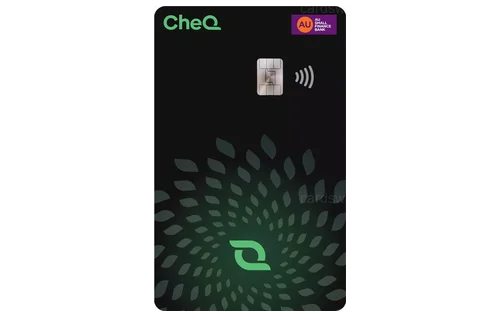
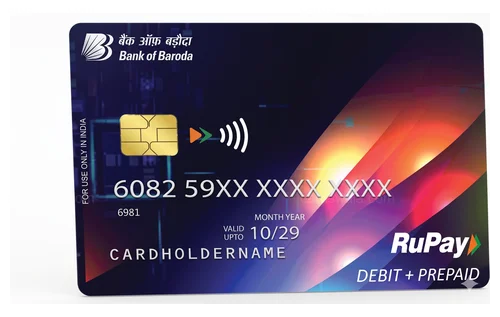
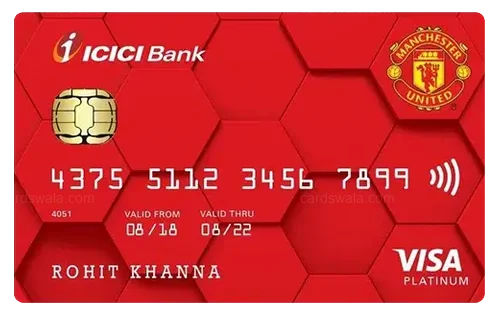
இந்தக் கார்டுகளைப் பாருங்கள்
CardsWala Crew
கிரெடிட் கார்டு நிபுணர் & நிதி எழுத்தாளர்