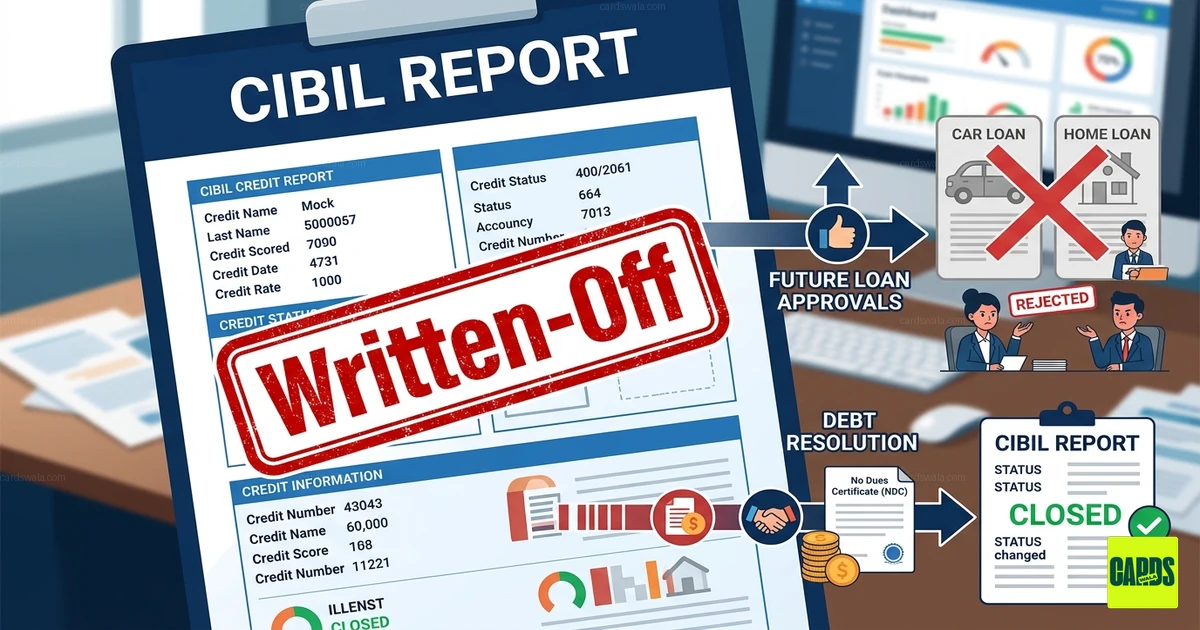
ஒரு "கிரெடிட் கார்ட் ரைட்-ஆஃப்" உங்களுக்கு உண்மையில் என்ன அர்த்தம்? 💳
யாரோ தங்கள் பில்களை எரித்துவிட்டு, திடீரென அவரது அனைத்து பிரச்சினைகளும் மறைந்துவிடுவது போன்ற நாடகீய காட்சிகளை நாம் அனைவரும் படங்களில் பார்த்திருக்கிறோம். இந்திய வங்கி உலகின் நிஜ வாழ்க்கையில், "ரைட்-ஆஃப்" உங்கள் கடனுக்கு ஒரு மேஜிக் அழிப்பான் போல ஒலிக்கலாம், ஆனால் நடப்பது "அந்த அளவுக்கு மகிழ்ச்சியான முடிவு" அல்ல, மாறாக மிகவும் "சிக்கலான கதை" தான்.
உங்கள் கிரெடிட் கார்ட் இருப்பு ரைட்-ஆஃப் செய்யப்பட்டதாக உங்கள் வங்கியிடமிருந்து ஒரு notice வந்திருந்தால், உங்கள் சிபில் ஸ்கோர் மற்றும் உங்கள் நிதி எதிர்காலத்திற்கு உண்மையில் என்ன நடக்கிறது என்பது இதோ.
1. ரைட்-ஆஃப் என்றால் என்ன? (வங்கியின் பார்வையில்) 🏦
நீங்கள் நீண்ட காலத்திற்கு—பொதுவாக 180 நாட்களுக்கு மேல்—உங்கள் கிரெடிட் கார்ட் பில்களை செலுத்துவதை நிறுத்தினால், வங்கி உங்கள் கணக்கை நான்-பெர்ஃபார்மிங் அசெட் (NPA) ஆக வகைப்படுத்துகிறது.
இந்த நிலையில், அந்த பணம் விரைவில் திரும்பக் கிடைக்காது என்று வங்கி உணர்கிறது. தங்கள் பேலன்ஸ் ஷீட்டை சுத்தப்படுத்தவும் வரி பொறுப்பை குறைக்கவும், உங்கள் கடனை "active" பத்தியிலிருந்து "loss" பத்திக்கு மாற்றுகிறார்கள்.
⚠️ பெரிய தவறான எண்ணம்: ஒரு ரைட்-ஆஃப் என்பது கடன் விலக்கு அல்ல. வங்கி உங்களை மன்னிக்கவில்லை; கணக்கியல் நோக்கங்களுக்காக உங்கள் file-ஐ வெறுமனே மற்றொரு டிராயரில் வைத்திருக்கிறார்கள்.
2. உங்கள் சிபில் ஸ்கோர் மீதான தாக்கம் 📉
ரைட்-ஆஃப் மிக கடுமையாக தாக்கும் இடம் இதுவே. இந்தியாவில், உங்கள் கிரெடிட் ஆரோக்கியம் உங்கள் கிரெடிட் அறிக்கையால் தீர்மானிக்கப்படுகிறது.
- "Written-off" நிலை: அந்த கணக்கின் அருகில் உங்கள் அறிக்கையில் வெளிப்படையாக "Written-off" என்று தோன்றும்.
- சிவப்பு கொடி: எதிர்கால கடன் வழங்குநர்கள் இதை ஒரு முக்கிய சிவப்பு கொடியாக பார்க்கிறார்கள். இது அவர்களுக்கு சொல்கிறது: நீங்கள் வெறுமனே ஒரு பேமெண்டை தவறவிடவில்லை; வங்கியே வேண்டுமென்றே கைவிட்ட அளவுக்கு நீங்கள் default செய்துவிட்டீர்கள்.
- கடன் நிராகரிப்புகள்: வரும் சில ஆண்டுகளில் நீங்கள் வீட்டுக் கடன், கார் கடன் அல்லது மற்றொரு கிரெடிட் கார்ட் கூட apply செய்தால், உங்கள் அறிக்கையில் "Written-off" பார்ப்பது பெரும்பாலும் தானாகவே நிராகரிக்கப்படுவதற்கான காரணமாகும்.
3. ரிகவரி ஏஜெண்டுகள் இன்னும் அழைப்பார்களா? 📞
ஆமாம். வங்கி கடனை "ரைட்-ஆஃப்" செய்தது என்று அவர்களுக்கு பணம் வேண்டாம் என்று அர்த்தம் அல்ல.
வங்கிகள் பெரும்பாலும் ரிகவரி பணியை மூன்றாம் தரப்பு collection agencies களுக்கு outsourcing செய்கின்றன அல்லது "கெட்ட கடனை" அசெட் ரீகன்ஸ்ட்ரக்ஷன் நிறுவனங்களுக்கு (ARCs) விற்கின்றன. உங்களுக்கு இன்னும் கிடைக்கலாம்:
- தொடர்ச்சியான அழைப்புகள் மற்றும் மின்னஞ்சல்கள்.
- அதிகாரப்பூர்வ legal notices.
- நிலுவைத் தொகை மற்றும் சேர்ந்த வட்டியை கேட்டு வரும் ரிகவரி ஏஜெண்டுகளின் வீடு விஜயங்கள்.
4. "Written-off" vs. "Settled": வேறுபாட்டை அறியுங்கள் ⚖️
இந்தியாவில், கடன் பேச்சுவார்த்தைகளின் போது இந்த இரண்டு சொற்களையும் அடிக்கடி ஒன்றாக கேட்பீர்கள். அவற்றின் ஒப்பீடு இதோ:
| அம்சம் | 🔴 Written-Off | 🟠 Settled |
|---|---|---|
| அதன் அர்த்தம் | கணக்கியலுக்கு கடனை வங்கி ஒரு நஷ்டமாக கருதுகிறது. | நீங்கள் கடனின் ஒரு பகுதியை செலுத்தி, வங்கி கணக்கை மூடியது. |
| கடன் மீதான தாக்கம் | தொழில்நுட்ப ரீதியாக முழு தொகையும் உங்கள் மீது நிலுவையிலேயே உள்ளது. | மீதத்தை செலுத்தும் சட்டபூர்வ கடமை முடிவடைகிறது. |
| கிரெடிட் அறிக்கை | "Written-off" ஆக தொடர்கிறது (மிக எதிர்மறையானது). | "Settled" ஆக தொடர்கிறது (எதிர்மறையானது, ஆனால் சற்று மேலானது). |
5. உங்கள் நிதி எதிர்காலத்தை எப்படி சரிசெய்வது 🛠️
நீங்களே இந்த நிலையில் இருக்கிறீர்கள் என்று கண்டால், பதற்றம் கொள்ளாதீர்கள். இப்படி திரும்பி வந்து உங்கள் கிரெடிட் ஸ்கோரை மேம்படுத்தலாம்:
- ✅ "Full and Final" பேமெண்டுக்கு பேசுங்கள்: பணத்தை சேமித்து, வங்கியை அணுகி முழு நிலுவைத் தொகையையும் செலுத்துங்கள்.
- 📜 "Closed" நிலையை கோருங்கள்: நீங்கள் முழுமையாக செலுத்தியதும் (வெறும் settlement அல்ல), வங்கி ஒரு நோ டியூஸ் சர்டிஃபிகேட் (NDC) ஐ வழங்கும்.
- 🔄 சிபிலை புதுப்பிக்கவும்: முழு பேமெண்டுக்குப் பிறகு, வங்கி உங்கள் நிலையை "Written-off" இலிருந்து "Closed" ஆக புதுப்பிக்க வேண்டும். கிரெடிட்டை மீண்டும் கட்டியெழுப்ப இதுவே தங்க தரம்.
- 💳 சிறியதாக தொடங்குங்கள்: இனி நீங்கள் ஒரு பொறுப்பான கடன் வாங்குபவர் என்பதை நிரூபிக்க, ஒரு செக்யூர்ட் கிரெடிட் கார்டை (Fixed Deposit ஆதரவில்) பயன்படுத்துங்கள்.
முடிவுரை ✨
ஒரு கிரெடிட் கார்ட் ரைட்-ஆஃப் ஒரு கடுமையான நிதி பின்னடைவு, ஆனால் அது சாலையின் முடிவு அல்ல. கிரெடிட்டுடனான உங்கள் உறவுக்கு ஒரு முழுமையான ரீசெட் தேவை என்பதை குறிக்கும் சமிக்ஞை. பிரச்சினையை புறக்கணிப்பதற்கு பதிலாக பொறுப்பை ஏற்று, "Closed" நிலையை நோக்கி முயற்சித்தால், இந்தியாவில் உங்கள் நிதி சுதந்திரத்தை இறுதியில் மீட்டெடுக்க முடியும்.
சமீபத்தில் உங்கள் சிபில் அறிக்கையை பார்த்தீர்களா? உங்கள் "நிதி கைரேகைகள்" எப்படி இருக்கின்றன என்று பார்க்க வேண்டிய நேரம் வந்திருக்கலாம்.
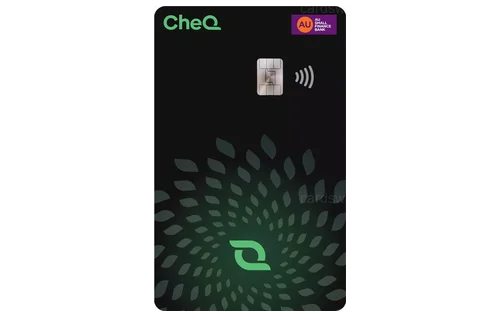
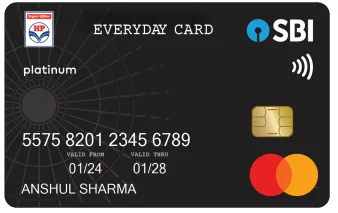
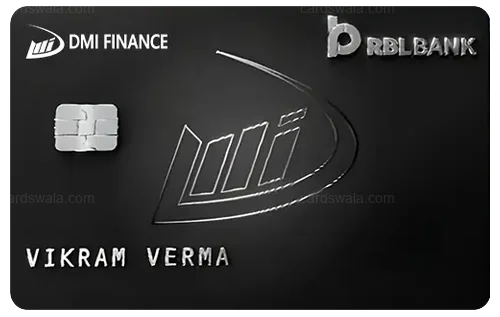
இந்தக் கார்டுகளைப் பாருங்கள்
CardsWala Crew
கிரெடிட் கார்டு நிபுணர் & நிதி எழுத்தாளர்