💳 ಸ್ವೈಪ್ನ ಮನೋವಿಜ್ಞಾನ: ನಿಮ್ಮ ಮೆದುಳು ಕ್ರೆಡಿಟ್ ಕಾರ್ಡ್ಗಳನ್ನು ಏಕೆ ಪ್ರೀತಿಸುತ್ತದೆ (ಮತ್ತು ನಿಮ್ಮ ವ್ಯಾಲೆಟ್ ಏಕೆ ಇಷ್ಟಪಡುವುದಿಲ್ಲ)
ನಾವೆಲ್ಲರೂ ಅಲ್ಲಿದ್ದೇವೆ. ನೀವು ಬೆಂಗಳೂರಿನ ಮಾಲ್ನಲ್ಲಿ ಅಡ್ಡಾಡುತ್ತಿದ್ದೀರಿ ಅಥವಾ ನಿಮ್ಮ ನೆಚ್ಚಿನ ಇ-ಕಾಮರ್ಸ್ ಅಪ್ಲಿಕೇಶನ್ನಲ್ಲಿ "ಮಿಡ್ನೈಟ್ ಸೇಲ್" ಅನ್ನು ಸ್ಕ್ರಾಲ್ ಮಾಡುತ್ತಿದ್ದೀರಿ. ನಿಮಗೆ ಕಟ್ಟುನಿಟ್ಟಾಗಿ ಅಗತ್ಯವಿಲ್ಲದ ಗ್ಯಾಜೆಟ್ ಅಥವಾ ಡಿಸೈನರ್ ಕುರ್ತಾವನ್ನು ನೀವು ನೋಡುತ್ತೀರಿ. ನಿಮ್ಮ ವ್ಯಾಲೆಟ್ನಿಂದ ಐದು ಹರಿತ ₹500 ನೋಟುಗಳನ್ನು ಹೊರತೆಗೆಯಬೇಕಾದರೆ, ನೀವು ಚುಚ್ಚುವಿಕೆಯನ್ನು ಅನುಭವಿಸುತ್ತೀರಿ. ಆದರೆ ಕ್ರೆಡಿಟ್ ಕಾರ್ಡ್ನೊಂದಿಗೆ? ತ್ವರಿತ ⚡ ಟ್ಯಾಪ್ ಅಥವಾ ನಯವಾದ ಸ್ವೈಪ್, ಮತ್ತು ವಸ್ತುವು ನಿಮ್ಮದಾಗಿದೆ.
ಅದು ಇನ್ನೂ ತಾಂತ್ರಿಕವಾಗಿ ನಿಮ್ಮ ಬಳಿ ಇಲ್ಲದ ಹಣವನ್ನು ಖರ್ಚು ಮಾಡುವುದು ಏಕೆ ತುಂಬಾ ಸುಲಭ ಎಂದು ಎಂದಾದರೂ ಯೋಚಿಸಿದ್ದೀರಾ? ಇದು ಕೇವಲ ಶಿಸ್ತಿನ ಕೊರತೆಯಲ್ಲ; ಇದು ಜೀವಶಾಸ್ತ್ರ. 🧠
1. "ಪಾವತಿಸುವ ನೋವು" ಅಂತರ 💸
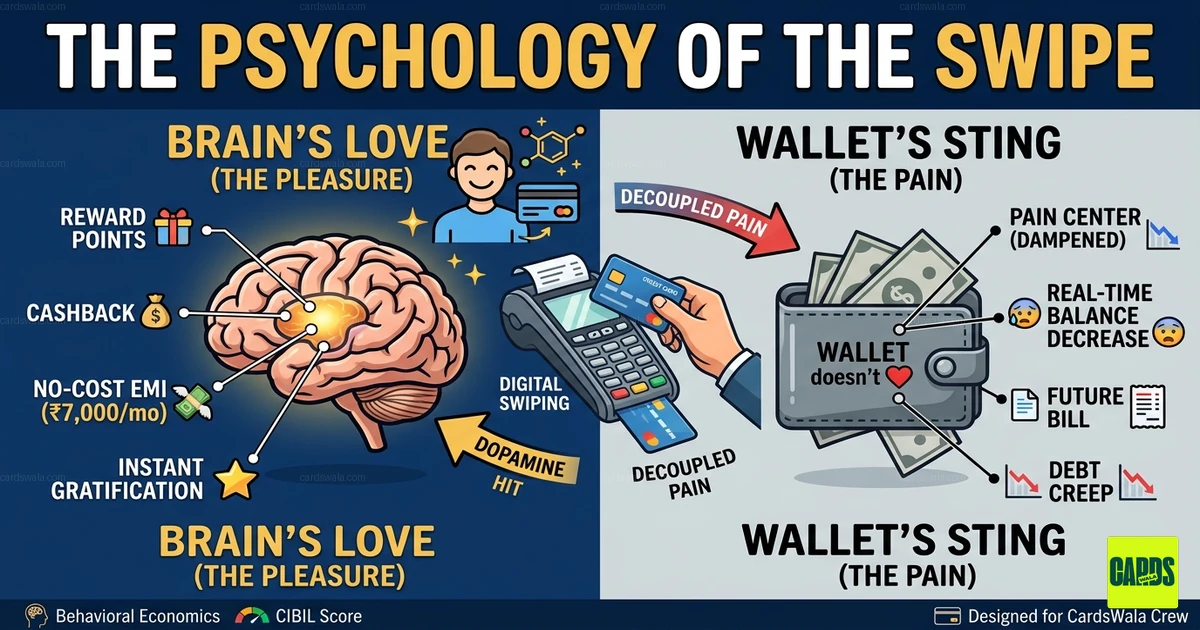
ವರ್ತನೆಯ ಅರ್ಥಶಾಸ್ತ್ರದಲ್ಲಿ, ಪಾವತಿಸುವ ನೋವು ಎಂದು ಕರೆಯಲ್ಪಡುವ ಪರಿಕಲ್ಪನೆ ಇದೆ. ನಾವು ಭೌತಿಕ ನಗದನ್ನು ಹಸ್ತಾಂತರಿಸಿದಾಗ, ನಮ್ಮ ಮೆದುಳಿನ ಇನ್ಸುಲರ್ ಕಾರ್ಟೆಕ್ಸ್ - ನಕಾರಾತ್ಮಕ ಭಾವನೆಗಳಿಗೆ ಸಂಬಂಧಿಸಿದ ಪ್ರದೇಶ - ವಾಸ್ತವವಾಗಿ ಬೆಳಗುತ್ತದೆ.
- ನಗದು 💵: ಹಣವು ನಿಮ್ಮ ಕೈಯಿಂದ ಹೊರಹೋಗುವುದನ್ನು ನೀವು ನೋಡುತ್ತೀರಿ. ನೀವು ಭೌತಿಕ "ನಷ್ಟವನ್ನು" ಅನುಭವಿಸುತ್ತೀರಿ.
- ಕ್ರೆಡಿಟ್ ಕಾರ್ಡ್ಗಳು 💳: ನೀವು ಕಾರ್ಡ್ ಅನ್ನು ಇಟ್ಟುಕೊಳ್ಳುತ್ತೀರಿ. "ನೋವು" ಖರೀದಿಯಿಂದ ಬೇರ್ಪಟ್ಟಿದೆ. ನೀವು ತಕ್ಷಣ ಪ್ರತಿಫಲವನ್ನು (ಉತ್ಪನ್ನ) ಪಡೆಯುತ್ತೀರಿ, ಆದರೆ "ನೋವು" (ಬಿಲ್) 30 ರಿಂದ 45 ದಿನಗಳವರೆಗೆ ಭವಿಷ್ಯಕ್ಕೆ ತಳ್ಳಲ್ಪಡುತ್ತದೆ.
2. ರಿವಾರ್ಡ್ ಫೀಡ್ಬ್ಯಾಕ್ ಲೂಪ್ 🎁
ಭಾರತದಲ್ಲಿ ಕ್ರೆಡಿಟ್ ಕಾರ್ಡ್ಗಳನ್ನು "ಸಕಾರಾತ್ಮಕ ಬಲವರ್ಧನೆಗಳೊಂದಿಗೆ" ಮಾಸ್ಟರ್ಲಿ ಮಾರ್ಕೆಟ್ ಮಾಡಲಾಗುತ್ತದೆ, ಅದು ನಿಮ್ಮ ಮೆದುಳನ್ನು ಮೋಸಗೊಳಿಸುತ್ತದೆ:
- ರಿವಾರ್ಡ್ ಪಾಯಿಂಟ್ಗಳು: ನಿಮ್ಮ ಮೆದುಳು ಇವುಗಳನ್ನು "ಉಚಿತ ಹಣ"ದಂತೆ ಪರಿಗಣಿಸುತ್ತದೆ, ನೀವು ಕೇವಲ ₹100 ಮೌಲ್ಯದ ಪಾಯಿಂಟ್ಗಳನ್ನು ಪಡೆಯಲು ₹10,000 ಖರ್ಚು ಮಾಡಿದ್ದರೂ ಸಹ.
- ಕ್ಯಾಶ್ಬ್ಯಾಕ್ ಆಫರ್ಗಳು: ನೀವು ಖರ್ಚು ಮಾಡುವಾಗ ಗಳಿಸುತ್ತಿದ್ದೀರಿ ಎಂದು ಅನಿಸುತ್ತದೆ, ಇದು ದುಂದುಗಾರಿಕೆಯನ್ನು ಸಮರ್ಥಿಸುತ್ತದೆ.
- ನೋಟಿಫಿಕೇಶನ್ ಡಿಂಗ್ 🔔: ಯಶಸ್ವಿ ವಹಿವಾಟಿನ ತಕ್ಷಣದ SMS ಅಥವಾ ಅಪ್ಲಿಕೇಶನ್ ಅಧಿಸೂಚನೆಯು ಸಣ್ಣ ಡೋಪಮೈನ್ ಹಿಟ್ ಅನ್ನು ಒದಗಿಸುತ್ತದೆ, ನೀವು ಯಶಸ್ವಿಯಾಗಿ ಹೊಸದನ್ನು ಪಡೆದಿದ್ದೀರಿ ಎಂದು ದೃಢೀಕರಿಸುತ್ತದೆ.
3. "ನೋ-ಕಾಸ್ಟ್ EMI" ಬಲೆ (ಮಾನಸಿಕ ಲೆಕ್ಕಪತ್ರ) 📉
ಭಾರತವು EMI ಅನ್ನು ಪ್ರೀತಿಸುತ್ತದೆ. ಮಾನಸಿಕವಾಗಿ, ನಮ್ಮ ಮೆದುಳು ದೊಡ್ಡ ಸಂಖ್ಯೆಗಳನ್ನು ಸಂಸ್ಕರಿಸಲು ಹೆಣಗಾಡುತ್ತದೆ.
- ₹84,000 ವೆಚ್ಚದ ಸ್ಮಾರ್ಟ್ಫೋನ್ ಖಗೋಳೀಯವಾಗಿ ಧ್ವನಿಸುತ್ತದೆ ಮತ್ತು "ಅಪಾಯ" ಸಂಕೇತವನ್ನು ಪ್ರಚೋದಿಸುತ್ತದೆ.
- ಅದೇ ಫೋನ್ ತಿಂಗಳಿಗೆ ₹7,000 ಗೆ "ಅಗ್ಗ" ಅಥವಾ "ಕೈಗೆಟುಕುವ" ಎಂದು ಅನಿಸುತ್ತದೆ.
ವೆಚ್ಚವನ್ನು ವಿಭಜಿಸುವ ಮೂಲಕ, ಕ್ರೆಡಿಟ್ ಕಾರ್ಡ್ ಕಂಪನಿಗಳು ನಿಮ್ಮ ಮೆದುಳಿನ ನೈಸರ್ಗಿಕ ರಕ್ಷಣಾ ಕಾರ್ಯವಿಧಾನವನ್ನು ಬೈಪಾಸ್ ಮಾಡುತ್ತವೆ. ನೀವು ಒಟ್ಟು ಸಾಲವನ್ನು ನೋಡುವುದನ್ನು ನಿಲ್ಲಿಸಿ "ಮಾಸಿಕ ಕೈಗೆಟುಕುವಿಕೆ"ಯನ್ನು ನೋಡಲು ಪ್ರಾರಂಭಿಸುತ್ತೀರಿ, ಇದು ಗಮನಾರ್ಹ ಜೀವನಶೈಲಿ ಕ್ರೀಪ್ಗೆ ಕಾರಣವಾಗುತ್ತದೆ.
4. ಸ್ಥಾನಮಾನದ ಸಂಕೇತಗಳು ಮತ್ತು ಸಾಮಾಜಿಕ ಸಿಗ್ನಲಿಂಗ್ 💎
ನಮ್ಮ ಹೈಪರ್-ಕನೆಕ್ಟೆಡ್ ಸಮಾಜದಲ್ಲಿ, ಕ್ರೆಡಿಟ್ ಕಾರ್ಡ್ಗಳನ್ನು ಹೆಚ್ಚಾಗಿ ಸ್ಥಾನಮಾನದ ಸಂಕೇತಗಳಾಗಿ ನೋಡಲಾಗುತ್ತದೆ. ಅದು "ಸಾವರಿನ್ ಗೋಲ್ಡ್" ಅಥವಾ "ಮೆಟಲ್ ಬ್ಲ್ಯಾಕ್" ಕಾರ್ಡ್ ಆಗಿರಲಿ, ಭೌತಿಕ ವಿನ್ಯಾಸವು ಗಣ್ಯ ಶ್ರೇಣಿಗೆ ಸೇರಿದ ಭಾವನೆಯನ್ನು ಪ್ರಚೋದಿಸುತ್ತದೆ. ಇದು ನಾವು ಗ್ರಹಿಸಿದ ಚಿತ್ರವನ್ನು ಕಾಪಾಡಿಕೊಳ್ಳಲು ಐಷಾರಾಮಿ ಅನುಭವಗಳಿಗಾಗಿ - ಫೈನ್ ಡೈನಿಂಗ್ ಅಥವಾ ಹೈ-ಎಂಡ್ ಪ್ರಯಾಣದಂತಹ - ಹೆಚ್ಚು ಖರ್ಚು ಮಾಡುವ ಸಾಧ್ಯತೆಯನ್ನು ಹೆಚ್ಚಿಸುತ್ತದೆ.
🛡️ ನಿಮ್ಮ ಸ್ವಂತ ಮನೋವಿಜ್ಞಾನವನ್ನು ಹೇಗೆ ಮೀರಿಸುವುದು
"ಏಕೆ" ಎಂಬುದನ್ನು ಅರ್ಥಮಾಡಿಕೊಳ್ಳುವುದು ಮೊದಲ ಹೆಜ್ಜೆ. ನೀವು ಹೇಗೆ ನಿಯಂತ್ರಣವನ್ನು ಮರಳಿ ಪಡೆಯಬಹುದು ಎಂಬುದು ಇಲ್ಲಿದೆ:
| ತಂತ್ರ | 🛠️ ಇದು ಹೇಗೆ ಕೆಲಸ ಮಾಡುತ್ತದೆ |
|---|---|
| 24-ಗಂಟೆಗಳ ನಿಯಮ | ನಿಮ್ಮ ತಾರ್ಕಿಕ ಮೆದುಳು ನಿಮ್ಮ ಭಾವನಾತ್ಮಕ ಪ್ರಚೋದನೆಗಳೊಂದಿಗೆ ಹಿಡಿಯಲು ಒತ್ತಾಯಿಸುತ್ತದೆ. |
| "ಉಳಿಸಿದ ಕಾರ್ಡ್ಗಳನ್ನು" ತೆಗೆದುಹಾಕಿ | ಘರ್ಷಣೆಯನ್ನು ಸೇರಿಸುವುದು (ನಿಮ್ಮ 16-ಅಂಕಿಯ ಸಂಖ್ಯೆಯನ್ನು ಟೈಪ್ ಮಾಡುವುದು) ನಿಮ್ಮನ್ನು ಎರಡು ಬಾರಿ ಯೋಚಿಸುವಂತೆ ಮಾಡುತ್ತದೆ. |
| ದಿನಕ್ಕೆ ನಿಮ್ಮ ಅಪ್ಲಿಕೇಶನ್ ಪರಿಶೀಲಿಸಿ | ಖರ್ಚಿನ "ನೋವನ್ನು" ನಿಮ್ಮ ಬ್ಯಾಲೆನ್ಸ್ನ ವಾಸ್ತವದೊಂದಿಗೆ ಮರು-ಸಂಪರ್ಕಿಸುತ್ತದೆ. |
| 'ಬಯಕೆಗಳಿಗೆ' ನಗದು ಬಳಸಿ | ಭೌತಿಕ ನೋಟುಗಳನ್ನು ಬಿಡಲು ತುಂಬಾ ನೋವಾಗಿದ್ದರೆ, ನೀವು ನಿಜವಾಗಿಯೂ ಅದನ್ನು ಬಯಸುವುದಿಲ್ಲ. |
🏁 ಬಾಟಮ್ ಲೈನ್
ಕ್ರೆಡಿಟ್ ಕಾರ್ಡ್ಗಳು ಸಿಬಿಲ್ ಸ್ಕೋರ್ಗಳನ್ನು ನಿರ್ಮಿಸಲು ಮತ್ತು ನಗದು ಹರಿವನ್ನು ನಿರ್ವಹಿಸಲು ಶಕ್ತಿಶಾಲಿ ಸಾಧನಗಳಾಗಿವೆ, ಆದರೆ ಅವು ನಿಮ್ಮ ಮೆದುಳಿನ ದೌರ್ಬಲ್ಯಗಳನ್ನು ಅರ್ಥಮಾಡಿಕೊಳ್ಳುವ ತಜ್ಞರಿಂದ ವಿನ್ಯಾಸಗೊಳಿಸಲ್ಪಟ್ಟಿವೆ. ಮುಂದಿನ ಬಾರಿ ನೀವು "ಟ್ಯಾಪ್ ಟು ಪೇ" ಮಾಡಲು ಹೊರಟಾಗ, ಆಳವಾದ ಉಸಿರು ತೆಗೆದುಕೊಂಡು ಕೇಳಿ: "ನಾನು ಇದನ್ನು ಖರೀದಿಸುತ್ತಿದ್ದೇನೆ ಏಕೆಂದರೆ ನನಗೆ ಅದು ಬೇಕೇ, ಅಥವಾ ನನ್ನ ಮೆದುಳು ಹಣ ಹೋಗಿದೆ ಎಂದು ಇನ್ನೂ ಅರಿತುಕೊಂಡಿಲ್ಲವೇ?"
ಈ ಕಾರ್ಡ್ಗಳನ್ನು ನೋಡಿ
CardsWala Crew
ಕ್ರೆಡಿಟ್ ಕಾರ್ಡ್ ತಜ್ಞ ಮತ್ತು ಹಣಕಾಸು ಬರಹಗಾರ