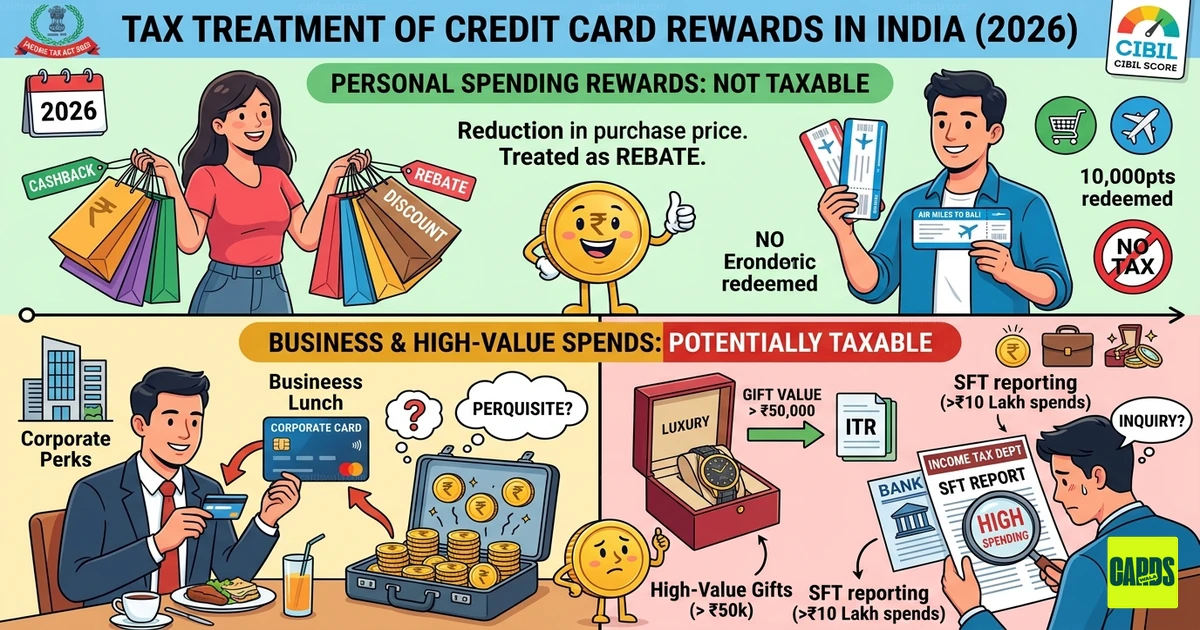
💳 ಕ್ರೆಡಿಟ್ ಕಾರ್ಡ್ ರಿವಾರ್ಡ್ ಪಾಯಿಂಟ್ಗಳು ಭಾರತದಲ್ಲಿ ತೆರಿಗೆಗೆ ಒಳಪಡುವ ಆದಾಯವೇ? (2026 ಮಾರ್ಗದರ್ಶಿ)
ಬಾಲಿಗೆ ಉಚಿತ ಹಾರಾಟ ✈️, ₹5,000 ಅಮೆಜಾನ್ ವೋಚರ್ 🛍️ ಅಥವಾ ಸರಳ ಕ್ಯಾಶ್ಬ್ಯಾಕ್ ಆಗಿರಲಿ, ಭಾರತದಲ್ಲಿ ಕ್ರೆಡಿಟ್ ಕಾರ್ಡ್ ರಿವಾರ್ಡ್ಗಳು "ಉಚಿತ ಹಣ"ದಂತೆ ಅನಿಸುತ್ತದೆ. ಆದರೆ ಹೇಳುವಂತೆ, ಸಾವು ಮತ್ತು ತೆರಿಗೆಗಳನ್ನು ಹೊರತುಪಡಿಸಿ ಯಾವುದೂ ಖಚಿತವಲ್ಲ.
ಆದಾಯ ತೆರಿಗೆ ಕಾಯ್ದೆ, 2025 ಈಗ ಪೂರ್ಣ ಪ್ರಮಾಣದಲ್ಲಿ ಜಾರಿಯಲ್ಲಿರುವುದರಿಂದ, ಅನೇಕ ಭಾರತೀಯ ಕಾರ್ಡ್ದಾರರು ಕೇಳುತ್ತಿದ್ದಾರೆ: "ನನ್ನ ರಿವಾರ್ಡ್ ಪಾಯಿಂಟ್ಗಳನ್ನು ನನ್ನ ITR ನಲ್ಲಿ ಘೋಷಿಸಬೇಕೇ?" 📑
ಸಂಕ್ಷಿಪ್ತ ಉತ್ತರ: ಸಾಮಾನ್ಯವಾಗಿ, ಇಲ್ಲ. ಆದರೆ ತೆರಿಗೆ ಇಲಾಖೆಯಿಂದ ನೋಟಿಸ್ ನೀಡಬಹುದಾದ "ಗ್ರೇ ಏರಿಯಾಗಳು" ಇವೆ. 2026 ಕ್ಕೆ ನಿರ್ಣಾಯಕ ಮಾರ್ಗದರ್ಶಿ ಇಲ್ಲಿದೆ. 🇮🇳
1. 💸 ಸಾಮಾನ್ಯ ನಿಯಮ: ರಿಯಾಯಿತಿಗಳಾಗಿ ರಿವಾರ್ಡ್ಗಳು
ಭಾರತೀಯ ತೆರಿಗೆ ತತ್ವಗಳ ಅಡಿಯಲ್ಲಿ, ಹೆಚ್ಚಿನ ಕ್ರೆಡಿಟ್ ಕಾರ್ಡ್ ರಿವಾರ್ಡ್ಗಳನ್ನು ಹೊಸ ಆದಾಯದ ಮೂಲಕ್ಕಿಂತ ಖರೀದಿ ಬೆಲೆಯಲ್ಲಿ ಕಡಿತ (ರಿಯಾಯಿತಿ) ಎಂದು ನೋಡಲಾಗುತ್ತದೆ.
- ತರ್ಕ: ನೀವು ₹50,000 ಗೆ ಫೋನ್ ಖರೀದಿಸಿ ₹2,000 ಕ್ಯಾಶ್ಬ್ಯಾಕ್ ಪಡೆದರೆ, ತೆರಿಗೆ ಇಲಾಖೆಯು ನೀವು ಫೋನ್ ಅನ್ನು ₹48,000 ಗೆ ಖರೀದಿಸಿದ್ದೀರಿ ಎಂದು ನೋಡುತ್ತದೆ.
- ತೆರಿಗೆ ಪರಿಣಾಮ: ನೀವು "ಗಳಿಸುತ್ತಿಲ್ಲ" ಬದಲಿಗೆ ಸರಳವಾಗಿ "ಕಡಿಮೆ ಖರ್ಚು ಮಾಡುತ್ತಿದ್ದೀರಿ" ಎಂದು, ಇದು ವೈಯಕ್ತಿಕ ಬಳಕೆದಾರರಿಗೆ ತೆರಿಗೆಗೆ ಒಳಪಡುವುದಿಲ್ಲ. 🚫💰
2. ⚠️ ರಿವಾರ್ಡ್ಗಳು ಯಾವಾಗ ತೆರಿಗೆಗೆ ಒಳಪಡುತ್ತವೆ?
ದೈನಂದಿನ ಶಾಪಿಂಗ್ ರಿವಾರ್ಡ್ಗಳು ಸುರಕ್ಷಿತವಾಗಿದ್ದರೂ, ಆದಾಯ ತೆರಿಗೆ ಇಲಾಖೆ (ಮತ್ತು ಹೊಸ SFT ವರದಿ ಚೌಕಟ್ಟುಗಳು) ಈ ನಿರ್ದಿಷ್ಟ ಸನ್ನಿವೇಶಗಳನ್ನು ಸೂಕ್ಷ್ಮವಾಗಿ ನೋಡಬಹುದು:
A. 💼 ವ್ಯಾಪಾರ ಖರ್ಚುಗಳು vs ವೈಯಕ್ತಿಕ ಲಾಭ
ನೀವು ಕಾರ್ಪೊರೇಟ್ ಕಾರ್ಡ್ ಅಥವಾ ವ್ಯಾಪಾರ ಖರ್ಚುಗಳಿಗೆ ವೈಯಕ್ತಿಕ ಕಾರ್ಡ್ ಅನ್ನು ಬಳಸಿದರೆ (ನಿಮ್ಮ ಕಂಪನಿಯಿಂದ ಮರುಪಾವತಿ ಮಾಡಲಾಗುತ್ತದೆ) ಆದರೆ ವೈಯಕ್ತಿಕ ರಜೆಗಳಿಗೆ ರಿವಾರ್ಡ್ ಪಾಯಿಂಟ್ಗಳನ್ನು ಇರಿಸಿಕೊಂಡರೆ:
- ಅಪಾಯ: ಪ್ರಸ್ತುತ ನಿಯಮಗಳ ಅಡಿಯಲ್ಲಿ, ವ್ಯಾಪಾರ ಖರ್ಚಿನಿಂದ ಪಡೆದ ವೈಯಕ್ತಿಕ ಪ್ರಯೋಜನಗಳನ್ನು ಉದ್ಯೋಗಿಯ ಕೈಯಲ್ಲಿ ತೆರಿಗೆಗೆ ಒಳಪಡುವ ಪರ್ಕ್ವಿಸಿಟ್ (ಪರ್ಕ್) ಎಂದು ಪರಿಗಣಿಸಬಹುದು.
B. 🎁 ಖರ್ಚು ಮಾಡದೆ ರಿವಾರ್ಡ್ಗಳು
ಕಾರ್ಡ್ ಅನ್ನು ಸ್ವೈಪ್ ಮಾಡದೆ ಖಾತೆಯನ್ನು ತೆರೆಯಲು 10,000 ಪಾಯಿಂಟ್ಗಳ "ಸೈನ್-ಅಪ್ ಬೋನಸ್" ಅನ್ನು ನೀವು ಪಡೆದಿದ್ದೀರಾ?
- ತರ್ಕ: ಯಾವುದೇ "ಖರ್ಚು" ಸಂಭವಿಸದ ಕಾರಣ, ಇದು ರಿಯಾಯಿತಿಯಲ್ಲ. ಮೌಲ್ಯವು ಗಮನಾರ್ಹವಾಗಿದ್ದರೆ ಅದನ್ನು "ಇತರ ಮೂಲಗಳಿಂದ ಆದಾಯ" ಎಂದು ವರ್ಗೀಕರಿಸಬಹುದು.
C. 🏛️ ₹50,000 "ಉಡುಗೊರೆ" ಮಿತಿ
ಸೆಕ್ಷನ್ 56(2)(x) ಅಡಿಯಲ್ಲಿ, ನೀವು ಸಂಬಂಧಿಕರಲ್ಲದವರಿಂದ ಹಣಕಾಸಿನ ವರ್ಷದಲ್ಲಿ ₹50,000 ಮೀರಿದ "ಉಡುಗೊರೆಗಳನ್ನು" (ನಗದು ಅಥವಾ ವಸ್ತುವಿನ ರೂಪದಲ್ಲಿ) ಸ್ವೀಕರಿಸಿದರೆ, ಅವು ತೆರಿಗೆಗೆ ಒಳಪಡುತ್ತವೆ.
- ನೀವು ಅನುಪಾತದ ಖರ್ಚಿಗೆ ಕಟ್ಟುನಿಟ್ಟಾಗಿ ಸಂಬಂಧಿಸದ ಉನ್ನತ-ಮೌಲ್ಯದ ಐಷಾರಾಮಿ ವಸ್ತುವಿಗಾಗಿ ಪಾಯಿಂಟ್ಗಳನ್ನು ರಿಡೀಮ್ ಮಾಡಿದರೆ, ತೆರಿಗೆ ಅಧಿಕಾರಿ ಅದು ತೆರಿಗೆಗೆ ಒಳಪಡುವ ಉಡುಗೊರೆ ಎಂದು ವಾದಿಸಬಹುದು. 🎁📈
3. 🔍 ಹೆಚ್ಚಿನ-ಮೌಲ್ಯದ ವಹಿವಾಟುಗಳು ಮತ್ತು SFT ವರದಿ
2026 ರಲ್ಲಿ, ಬ್ಯಾಂಕ್ಗಳು ತೆರಿಗೆ ಇಲಾಖೆಗೆ ವರದಿ ಮಾಡುವಲ್ಲಿ ಹೆಚ್ಚು ಕಠಿಣವಾಗಿವೆ.
- ಮಿತಿ: ನಿಮ್ಮ ಕ್ರೆಡಿಟ್ ಕಾರ್ಡ್ ಬಿಲ್ಗಳು ವರ್ಷದಲ್ಲಿ ₹10 ಲಕ್ಷ ಮೀರಿದರೆ, ಬ್ಯಾಂಕ್ ಇದನ್ನು ಹಣಕಾಸಿನ ವಹಿವಾಟುಗಳ ಹೇಳಿಕೆ (SFT) ಮೂಲಕ ವರದಿ ಮಾಡುತ್ತದೆ.
- ಪರಿಶೀಲನೆ: ನಿಮ್ಮ ಘೋಷಿತ ಆದಾಯ ₹8 ಲಕ್ಷವಾಗಿದ್ದರೆ, ಆದರೆ ನಿಮ್ಮ ಕ್ರೆಡಿಟ್ ಕಾರ್ಡ್ ಖರ್ಚು ₹15 ಲಕ್ಷವಾಗಿದ್ದರೆ (ಭಾರೀ ರಿವಾರ್ಡ್ಗಳು/ಕ್ಯಾಶ್ಬ್ಯಾಕ್ನಿಂದ ಹಣಕಾಸು ಒದಗಿಸಲಾಗಿದೆ), ಅಸಮಂಜಸತೆಯು ವಿಚಾರಣೆಯನ್ನು ಪ್ರಚೋದಿಸಬಹುದು. ಆ "ಹೆಚ್ಚುವರಿ" ಹಣದ ಮೂಲವನ್ನು ನೀವು ಸಮರ್ಥಿಸಿಕೊಳ್ಳಲು ಸಾಧ್ಯವಾಗಬೇಕು. 🧐
📝 ಸಾರಾಂಶ ಕೋಷ್ಟಕ: ನನ್ನ ರಿವಾರ್ಡ್ ತೆರಿಗೆಗೆ ಒಳಪಡುತ್ತದೆಯೇ?
| ರಿವಾರ್ಡ್ ಪ್ರಕಾರ | ತೆರಿಗೆಗೆ ಒಳಪಡುತ್ತದೆಯೇ? | ಕಾರಣ |
|---|---|---|
| ಶಾಪಿಂಗ್ ಮೇಲೆ ಕ್ಯಾಶ್ಬ್ಯಾಕ್ 🛒 | ❌ ಇಲ್ಲ | ರಿಯಾಯಿತಿ/ರಿಯಾಯಿತಿ ಎಂದು ಪರಿಗಣಿಸಲಾಗಿದೆ. |
| ಏರ್ ಮೈಲ್ಸ್ (ವೈಯಕ್ತಿಕ) ✈️ | ❌ ಇಲ್ಲ | ಪ್ರಯಾಣದ ವೆಚ್ಚವನ್ನು ಕಡಿಮೆ ಮಾಡುವುದು. |
| ಕಾರ್ಪೊರೇಟ್ ಕಾರ್ಡ್ ಪರ್ಕ್ಗಳು 👔 | ✅ ಬಹುಶಃ | ತೆರಿಗೆಗೆ ಒಳಪಡುವ ಪರ್ಕ್ವಿಸಿಟ್ ಆಗಿರಬಹುದು. |
| ಸೈನ್-ಅಪ್ ಬೋನಸ್ 🎊 | ⚠️ ಬಹುಶಃ | "ಇತರ ಮೂಲಗಳಿಂದ ಆದಾಯ" ಆಗಿರಬಹುದು. |
| ₹50k ಮೌಲ್ಯಕ್ಕಿಂತ ಹೆಚ್ಚಿನ ರಿವಾರ್ಡ್ಗಳು 💎 | ⚠️ ಅಪಾಯಕಾರಿ | ಉಡುಗೊರೆ ತೆರಿಗೆ ನಿಯಮಗಳ ಅಡಿಯಲ್ಲಿ ಬರಬಹುದು. |
💡 2026 ರಲ್ಲಿ ಭಾರತೀಯ ಕಾರ್ಡ್ದಾರರಿಗೆ ಪ್ರೊ-ಟಿಪ್ಸ್
- ನಿಮ್ಮ AIS ಪರಿಶೀಲಿಸಿ: ನಿಮ್ಮ ITR ಅನ್ನು ಸಲ್ಲಿಸುವ ಮೊದಲು ಬ್ಯಾಂಕ್ ಯಾವ ವಹಿವಾಟುಗಳನ್ನು ವರದಿ ಮಾಡಿದೆ ಎಂದು ನೋಡಲು ಯಾವಾಗಲೂ ನಿಮ್ಮ ವಾರ್ಷಿಕ ಮಾಹಿತಿ ಹೇಳಿಕೆ (AIS) ಅನ್ನು ಪರಿಶೀಲಿಸಿ. 📄
- ದಾಖಲೆಗಳನ್ನು ಇರಿಸಿ: ನೀವು ಹೆಚ್ಚು ಖರ್ಚು ಮಾಡುವವರಾಗಿದ್ದರೆ, ನಿಮ್ಮ ಸ್ಟೇಟ್ಮೆಂಟ್ಗಳನ್ನು ಇರಿಸಿ. ಐಟಿ ಇಲಾಖೆಯು ನೀವು ಬಿಸಿನೆಸ್ ಕ್ಲಾಸ್ ಪ್ರವಾಸಕ್ಕೆ ಹೇಗೆ ಹಣಕಾಸು ಒದಗಿಸಿದ್ದೀರಿ ಎಂದು ಕೇಳಿದರೆ, ಅದು ಸಂಗ್ರಹವಾದ ಪಾಯಿಂಟ್ಗಳ ಮೂಲಕ ಎಂದು ನೀವು ಸಾಬೀತುಪಡಿಸಬಹುದು. 📂
- ಖರ್ಚುಗಳನ್ನು ಮಿಶ್ರಣ ಮಾಡಬೇಡಿ: SFT ರಾಡಾರ್ ಅಡಿಯಲ್ಲಿ ಉಳಿಯಲು ಬೃಹತ್ ಕಂಪನಿ ಖರೀದಿಗಳಿಗೆ ನಿಮ್ಮ ವೈಯಕ್ತಿಕ ಕಾರ್ಡ್ ಅನ್ನು ಬಳಸುವುದನ್ನು ತಪ್ಪಿಸಿ. 🛡️
ಈ ಕಾರ್ಡ್ಗಳನ್ನು ನೋಡಿ
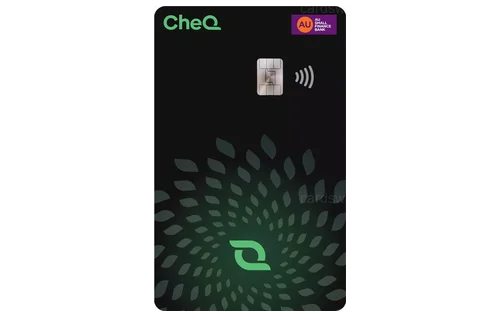
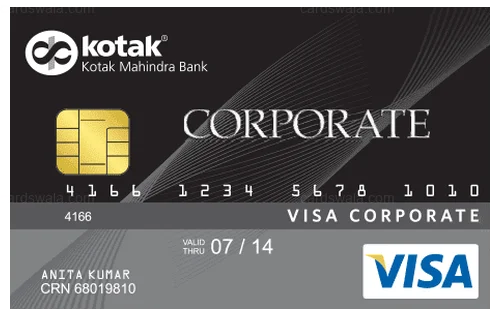
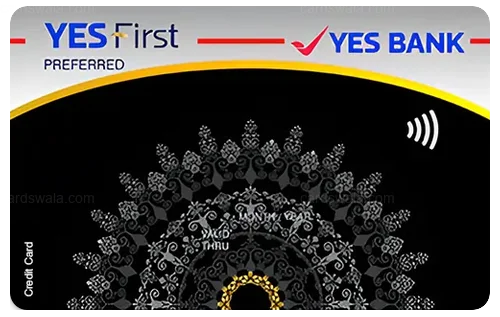
CardsWala Crew
ಕ್ರೆಡಿಟ್ ಕಾರ್ಡ್ ತಜ್ಞ ಮತ್ತು ಹಣಕಾಸು ಬರಹಗಾರ