Cashback SBI Credit Card VS HSBC RuPay Cashback Credit Card
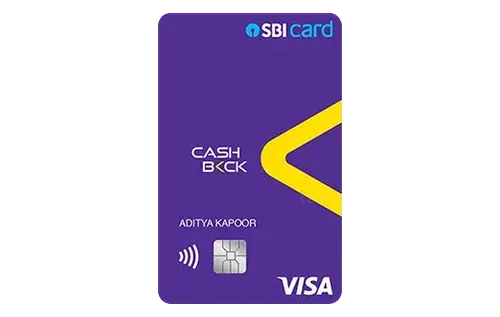
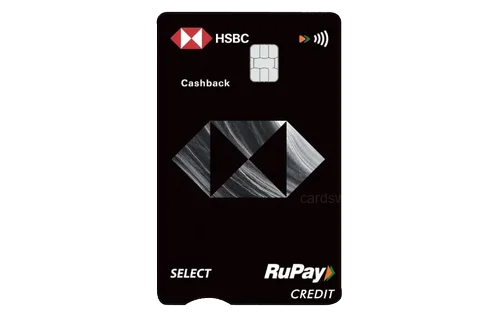
Both Cashback SBI Credit Card and HSBC RuPay Cashback Credit Card suit utilities-focused spenders, but they earn and cost differently. Cashback SBI Credit Card costs ₹999 + GST and earns 5% cashback on online spends (capped at Rs. 2,000 per statement cycle) and 1% cashback on offline spends (capped at Rs. 2,000 per statement cycle). HSBC RuPay Cashback Credit Card costs ₹499 + GST and earns 10% cashback on dining, food delivery, groceries; 1% on others. Monthly cap of INR 400. HSBC RuPay Cashback Credit Card also brings up to 2 complimentary domestic airport lounge visits per quarter. If shopping spending matters more, go with Cashback SBI Credit Card; if dining is the priority, HSBC RuPay Cashback Credit Card fits better.
Fees & Charges
Rewards & Benefits
Travel & Lifestyle
Security & Other
Cashback SBI Credit Card
HSBC RuPay Cashback Credit Card
Who is it for?
Who is it for?
Pros
Key benefits and features.
Decent 5% cashback on online spends and 1% on offline spends for solid everyday savings.
High monthly cashback cap of Rs. 4,000 across categories boosts total earnings potential.
Strong option for online spending compared to other cashback cards with simple auto-credit.
Contactless payment facility available for quick and secure low-value transactions.
Global acceptance in over 24 million outlets ensures usability during travel and shopping.
Pros
Key benefits and features.
Enjoy a robust 10% cashback on dining, food delivery, and grocery spends.
Benefit from 0% foreign currency markup on international transactions until July 2026.
Experience seamless and rewarding UPI payments with direct card linking.
Get complimentary access to domestic and international airport lounges quarterly/annually.
Utilize global acceptance for payments and ATMs in over 160 countries via JCB.
Cons
Key drawbacks and limitations.
Several categories are excluded from cashback eligibility, limiting earnings on key spends.
Annual fee is relatively high compared to the benefits for low spenders who cannot meet the waiver.
Spend-based waiver may be difficult to achieve if major spends fall in excluded categories.
No instant discounts during online sales, reducing appeal during promotional shopping periods.
Cashback exclusions on utilities, insurance, fuel, rent, and other services restrict utility.
Cons
Key drawbacks and limitations.
Cashback earnings are capped at INR 400 per month, limiting high spenders.
Many categories like fuel, e-wallets, and utilities are excluded from cashback.
The attractive 0% foreign currency markup is only a temporary offer.
International lounge access is restricted to only two visits per year.
No explicit fuel surcharge waiver, and fuel spends don't earn cashback.